
Roofing Capabilities
Multi-Site Roof Programs in Yonkers, NY
Roofing Capabilities
Multi-Site Roof Programs in Yonkers, NY
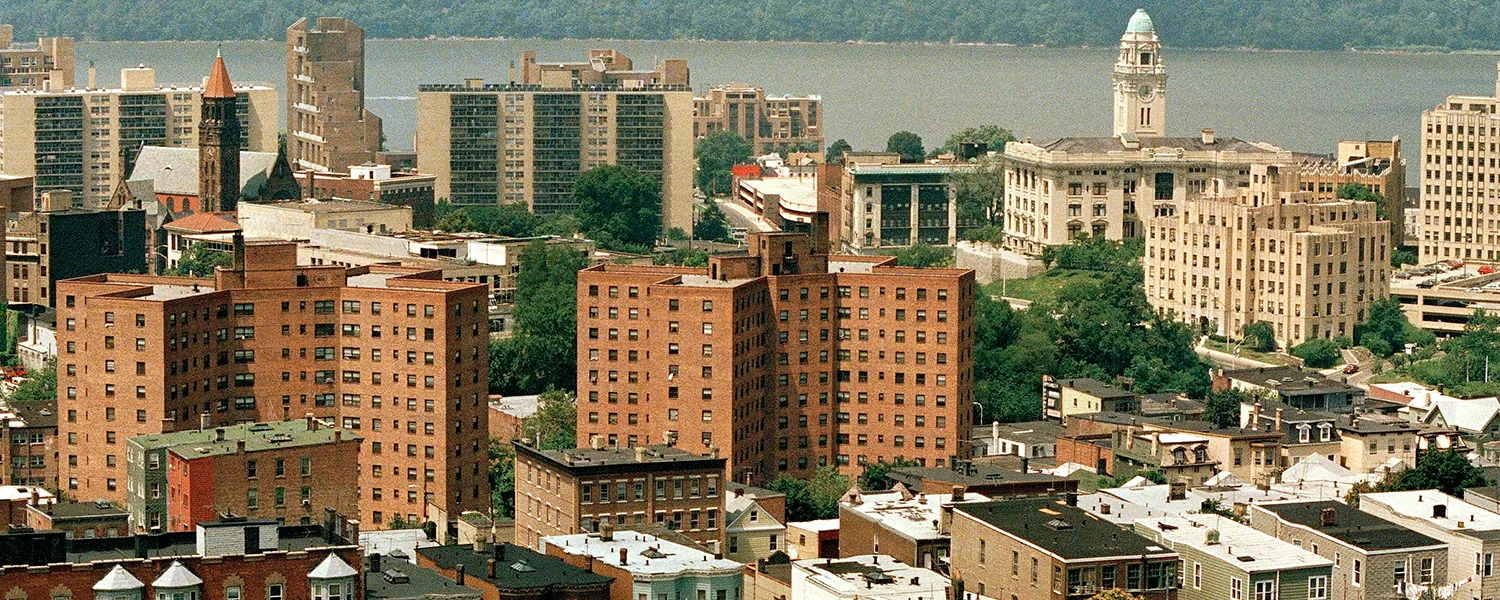
Several buildings mean several sets of access rules, several leak histories and several answers to the same question. A multi-site program puts them in one format. For an owner or manager in Yonkers, NY, with properties in Westchester towns nearby, the program runs one inspection route, one grading scale and one record, so a manager can compare roofs without translating between reports.
The first entry is the portfolio table: every building, its roof zones, its grades and its open items. The table shows where attention belongs, and the records behind it show why.
One Inventory, One Scale
The program begins with a walk of every roof, using the same checklist, photograph order and scale at each site. A zone graded repair soon in Bronxville means the same as one in Mount Vernon. The grades go into a single table, with the evidence tier beside each: observed, tested or suspected.
Sites differ in type. The city's planning materials describe industrial space in the Nepperhan and Saw Mill valley, shopping and business corridors on Central Park Avenue and South Broadway, and mixed commercial and multifamily parcels along Tuckahoe Road. A portfolio can touch several of those settings, and the checklist adapts to each building without changing the scale.
The table highlights outliers. A site with repeated leaks, a roof with wet insulation or a building with an expired warranty rises to the top. The full asset record sits behind the table for each site.
The first visit also sets baselines. Photographs of every drain, edge and penetration at every site give the program a starting point. When a storm passes or a leak is reported, the baseline shows what changed. Without it, every claim and every repair starts with an argument about what the roof looked like before.
Patterns Across Buildings
Several roofs reveal patterns that one roof cannot. The same model of curb failing at three sites points to a standard fix. A particular membrane splitting at terminations across the portfolio points to an installation or detail question. Drainage faults clustered on buildings of one era point to a design pattern.
We record patterns as suspected until tested. A pattern is a reason to look, not a conclusion. The program schedules the test, such as a weld check at every site with the same system, and the result goes into the file.
Regional weather gives context for the calendar. Winters here bring many freezing days, so seams, penetrations and metal transitions are checked after each one at every site. That is the schedule the program follows.
Open items are tracked at the portfolio level too. The table lists each one with a site, a location, a date opened and the next step. Items that stay open past a set date rise on the list, so nothing quietly ages out of sight. Closed items keep their photographs, so a later reader can see what was done.
Site Access Sheets
Every site has a one-page access sheet: roof hatch location, ladder or lift needs, key holder, hours, restricted areas and contacts. The sheet follows the crew, so a technician arriving at a site for the first time can find the roof, reach the right person and avoid the wrong area.
Operating limits go on the same sheet. Kitchens, clinics, records rooms and production areas each carry their own noise, dust and timing rules. The sheet records them so a repair at one site does not break another's rules.
Street constraints are recorded as well. The Thruway has several Yonkers-area exits, and each one feeds city streets with their own limits, so delivery routing is worked out per address. Crew and delivery routing still depends on each building's approach, so the sheet records the staging area and the lift position at each address.
Common Repair Standards
A program sets repair standards once and applies them everywhere. The standard names materials, details and tests for each roof system in the portfolio, so a patch on a single-ply roof in one town follows the same method as one in another.
The standard also defines the repair boundary: when a repair is a patch, when it becomes a section repair and when it signals a larger project. Those thresholds let the owner compare sites. A roof that crosses the threshold moves to the capital list, and capital planning takes over.
Warranties are tracked in the program. Each site's terms, expiry dates and conditions sit in one file, and repairs are routed to keep coverage intact. The warranty management work prevents an accidental breach at any building. Approvals follow a simple rule: small repairs inside the standard proceed on the owner's authorization, and larger repairs get a written scope with the evidence first.
Each site's cost drivers are written down, from roof area and hoisting to insulation condition and tenant impact, so budgets start from facts. Permit and code questions are local, so every project at every site lists the city's answer as an open item.
Seasonal Route
The program runs on a calendar. A late-autumn route clears drains and checks edges at every site before the freeze. A spring route looks for freeze-thaw damage. A midsummer route catches heat wear on sealants and boots. After a major storm, the route shifts to the sites in the affected area first, and the baseline photographs make damage easy to see.
Calendars also help crew scheduling. Sites close to each other are grouped into clusters, such as Bronxville, Tuckahoe and Eastchester, or Hastings-on-Hudson, Dobbs Ferry and Irvington, and one crew can take a cluster in a day. Fewer trips mean lower cost per visit and faster response. A preventive maintenance visit fits into the route.
The route is adjusted when a site changes. A new tenant, a roof penetration added by another trade or a change in operating hours goes into the site sheet and shifts the visit plan. The program records the change with a date, so the history of each building is complete.
Portfolio Reporting
Reports follow the calendar. A quarterly summary lists visits, repairs, open items and grade changes. An annual report ranks the portfolio and feeds the budget. Each site file stays current, and the manager can open any building's record in a minute.
Owners with locations in White Plains, New Rochelle or Scarsdale can fold those sites into the same program. Reports are written so lenders, insurers and buyers can read them without a walk, and condition reports supply the site-level detail.
Next Decision
Each quarterly summary ends with the next decision for the portfolio: which site to repair, which to watch and which to move to a capital list. The decision names the evidence and the date.
Commercial Roofing Questions
How many sites make a program worthwhile?
Two or three buildings are enough to benefit from one format. The value grows with each site.
Can sites in different towns be included?
Yes. Nearby sites are grouped into clusters and scheduled by route.
What if a site already has a roofer?
We can inspect and record the roof regardless of who repairs it. The file shows repairs from any contractor.
How are emergencies handled?
Through the site sheet. The first call starts with the room, the floor and the roof route.
What does the manager receive each quarter?
A summary of visits, repairs, open items and grade changes, plus updated site files.