
Commercial Roofing Services
Commercial Roof Repair in Yonkers, NY
Commercial Roofing Services
Commercial Roof Repair in Yonkers, NY
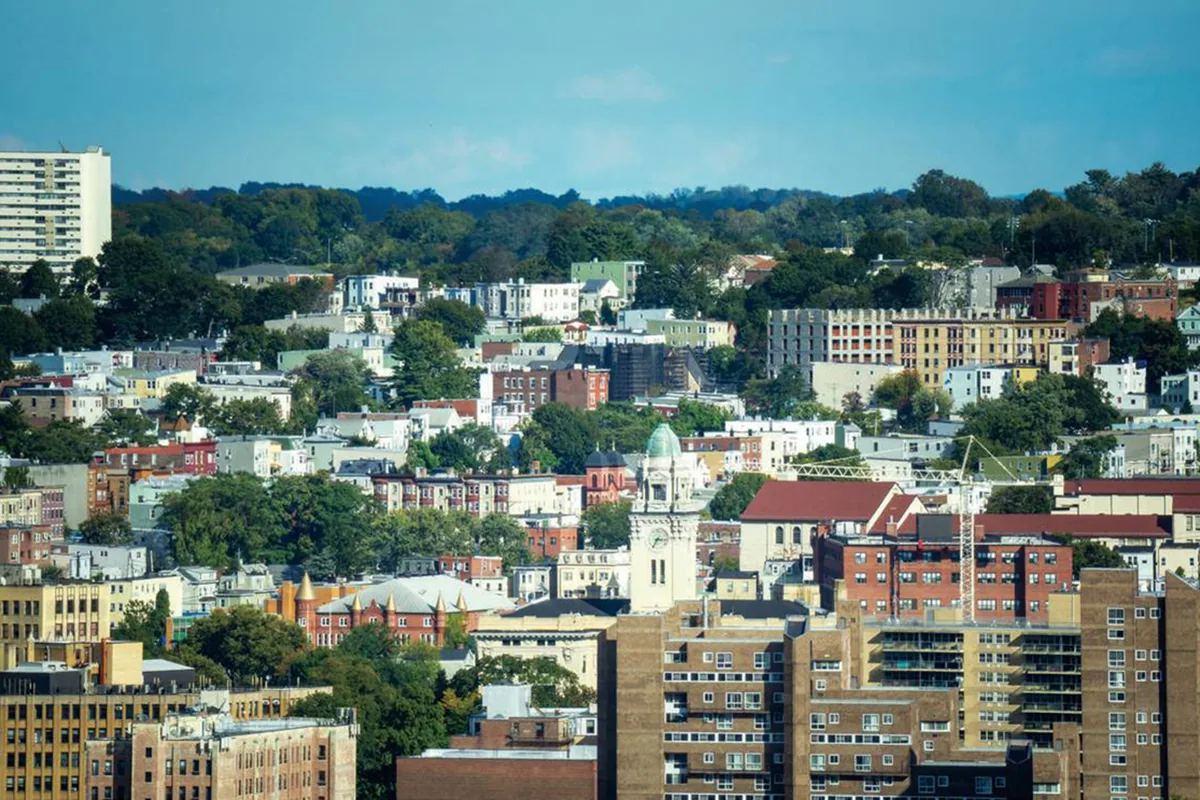
A repair should identify the failure point, not just cover the nearest visible mark. Water can travel below a membrane before it reaches a ceiling, so we compare the interior report with seams, flashing, drains, curbs, and wall transitions above. The work order records what we observed, what we tested, and what remains uncertain. That distinction matters when the building is occupied and access windows are short. In Yonkers, the 2026 planning effort describes Central Park Avenue as a shopping and business corridor, while Getty Square sits within the city's downtown commercial context. Both settings mean repair staging can meet active storefronts, tenants, and delivery routes, so the work order names the safest route to the roof and the hours a lift can hold the curb. We document the property's actual constraints, isolate a repair area, and explain whether the fix is temporary protection or a permanent correction. The owner receives photos and a clear next decision, not an unmarked patch with no record.
Trace the Path Before Opening the Roof
We start with the water report: room, time, weather, active dripping, and any equipment or interior work nearby. On the roof, we inspect the area above and uphill from the reported stain, then follow likely paths across membrane laps, flashing, drains, curbs, penetrations, and parapet transitions. The entry point may sit away from the interior mark. We photograph the observed condition before cleaning or cutting so the record preserves what was there. When a concealed layer could affect the repair, a test opening or moisture survey can be proposed and separately approved.
A useful diagnosis distinguishes a split seam from water moving beneath a sound sheet, and an open flashing termination from a drain backup. Each points to a different repair material and boundary. We may make a safe temporary dry-in during an active leak, then return for the permanent detail after the assembly is dry enough to work. For recurring issues, compare a focused visit with a commercial roof inspection that maps surrounding conditions. Our leak tracing and repair scope keeps the reported symptom, roof-side evidence, and completed correction in separate entries.
Match the Correction to the Assembly
Repair materials have to bond to the existing roof, tolerate its movement, and meet the condition around the damaged area. A membrane patch needs sound material beyond the split and compatible preparation. A metal transition may need fastener and sealant attention, while a curb detail may call for new flashing rather than another bead at the same edge. We remove debris, prepare the surface, install the repair, and inspect its terminations. If wet insulation or loose attachment extends beyond the visible defect, we mark that boundary instead of claiming the patch corrected what could not be reached.
Repeated repairs can make the area difficult to read. We map prior patches and note whether the substrate is stable, whether the membrane can be welded or adhered, and if water has affected nearby insulation. Roof systems such as EPDM and PVC use different repair procedures, so the repair record identifies the actual assembly where it is known. For a larger transition or perimeter issue, edge metal and coping work may be part of the correction. We do not select a product by color or convenience when compatibility and detail geometry decide the result.
Use the Weather Window Carefully
Temperature, surface moisture, and forecast conditions affect how a repair can be prepared and closed. A wet or cold substrate may prevent materials from bonding as intended. When active water requires immediate protection, we separate that first response from the permanent scope and note what conditions must be present for the durable repair. The owner knows what was protected, what still needs access, and when a follow-up inspection should occur. Work near rooftop equipment also needs an agreed shutdown or clearance if the repair area affects service or safe movement.
NOAA normals at Westchester County Airport show 47.75 inches of annual precipitation and more than one hundred days per year with freezing minimum temperatures. A repair has to hold through that cold and rain after the crew leaves, so we keep photographs, repair dates, and follow-up observations together when water and freeze-thaw conditions are part of the record. A patch that holds today still needs inspection after seasonal movement. We can pair repair work with a preventive maintenance visit to clear drains and inspect nearby transitions, while keeping new findings separate from the original repair ticket.
Keep the Repair Boundary Visible
The closeout note should answer four questions: where the defect was, what evidence supported the diagnosis, what material and preparation were used, and what was not included. Photos before and after the work make the location easier to find on a later visit. A marked roof plan can show drains, seams, mechanical units, and the repair boundary without relying on an employee's memory. If the repair uncovered a second condition, it belongs in a new open item with a recommendation and owner decision date.
That file helps facilities and portfolio teams distinguish completed work from continuing monitoring. In downtown areas near Getty Square, tenant activity and access can change between visits, so the work record includes the safe route and any operational restriction actually observed. This is a property-specific note, not a general claim about every building in the district. Where the roof has many repair locations, the condition summary can feed a roof condition report. The aim is to make the next choice traceable: repeat a local repair, investigate a broader area, or plan a replacement when evidence supports that scope.
Choose the Next Roof Decision
A repair is complete when the specified correction is installed and recorded. It is not a promise that unseen sections are sound. We explain whether follow-up is advisable, how access can be arranged, and what finding would change the owner's plan. For a single leak, the next step may be a monitored return after rain. For repeated failures at separate transitions, a broader inspection may show whether the membrane, attachment, or drainage needs a larger program. We can compare repair with commercial roof replacement when repair boundaries no longer make a useful scope. The choice is based on the roof areas documented, not a generic service life estimate.
Yonkers' Thruway access points include Yonkers Avenue, the Cross County Parkway and Mile Square Road, Central Park Avenue, and Tuckahoe Road. That network is useful context for planning material delivery, but the actual work window depends on each property's loading and pedestrian routes. To schedule a documented repair review, discuss the Getty Square and downtown area or the building's location with our team. The owner leaves with a repair record, remaining questions, and a specific next decision.
Commercial Roofing Questions
Why can the ceiling leak be far from the roof opening?
Water may travel under the membrane or across a deck before appearing inside. We compare the reported room and timing with roof-side transitions and document the evidence before defining the repair area.
Can you stop active water before the permanent repair?
We can install temporary protection when conditions allow, then record what remains exposed or uncertain. The permanent correction is scoped after the roof surface and materials are suitable for the repair.
What is included in a repair record?
The record identifies the location, observed failure, preparation, repair material, before-and-after photos, and any open condition. A marked roof plan helps the next person find the same area.
When does a repeated patch point to a larger scope?
A repeat visit may show that the repair boundary moved, moisture extends farther, or nearby details are also failing. We document those findings so the owner can compare investigation, broader repair, and replacement.
Request a roof assessment or view all commercial roofing services.