
Service Areas
Commercial Roofing in Getty Square, Yonkers, NY
Service Areas
Commercial Roofing in Getty Square, Yonkers, NY
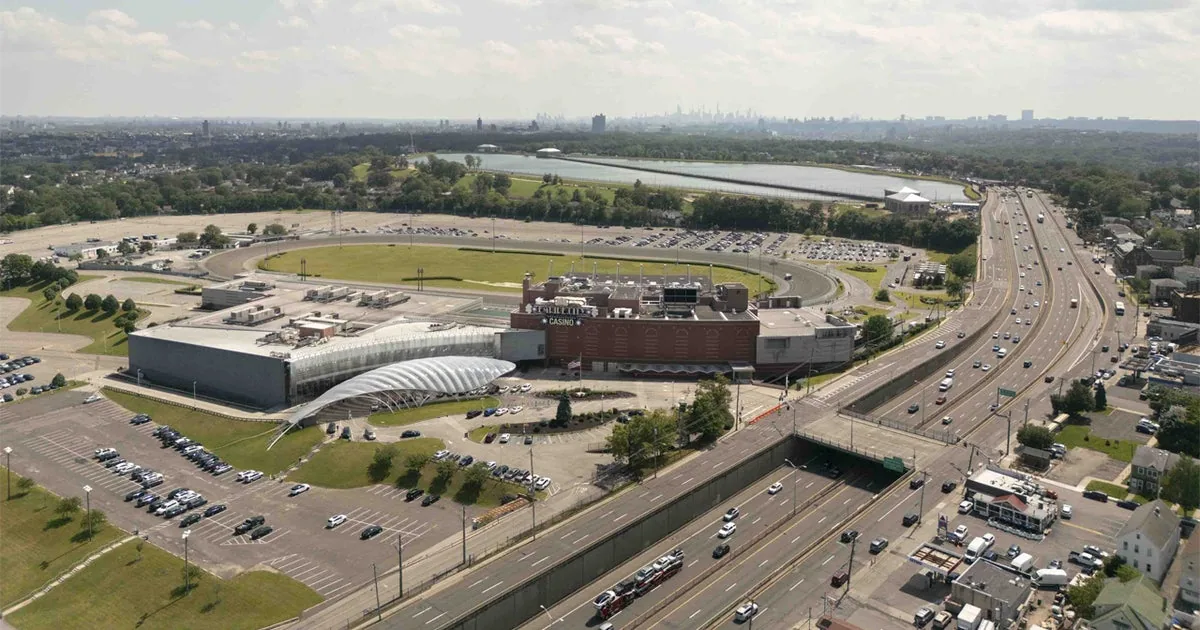
Downtown work starts at street level, even when the problem is on the roof. In the Getty Square area of Yonkers, buildings sit close to sidewalks, shared walls and busy storefronts, and a roof job must account for all three before a ladder goes up. The city places Getty Square within the downtown setting that connects toward Nepperhan Avenue, where Saw Mill River daylighting work was carried out, and its 2013 State of the City noted new restaurants and businesses lining the river area as that work advanced.
That description tells us about activity, not about any one roof. Our first visit here produces a condition record: roof area by roof area, with the access route, the pedestrian exposure and any occupied space beneath marked on the same sheet.
Access Comes First
A downtown roof may be reached by an interior stair, a ladder from a rear court, or a lift set on a public street under permit. Each route changes the schedule. Before we price anything, we confirm the route, who holds the keys and when the stair can be used without disturbing tenants.
Where material must come off the street, we plan the pickup window, the pedestrian detour and the protection over entrances. Overhead protection and barricades matter more than speed, because falling debris and swinging loads are the most serious risks on a street-side job. If a sidewalk closure is required, we identify who must approve it and how much lead time the approval needs.
The same discipline applies to deliveries. Rolls of membrane and bundles of insulation are heavy, and a truck double-parked on a narrow street draws attention fast. We stage in small loads timed to the lift schedule, and the crew foreman confirms each arrival with the manager so no truck waits at the curb with the engine running.
What We Check on the Roof
We walk the roof in a set order. Perimeter first: parapet walls, coping, wall flashing and edge metal. Then the field: seams, laps, blisters, punctures and ponding. Then every penetration, from vent pipes to equipment curbs. Each finding is photographed and marked on a sketch.
Where a building holds more than one tenant, rooftop equipment may serve each of them. Exhaust fans, air handlers and condensers each have their own curb or support, and each is a place where water can enter. Our curb and support inspection looks at flashing height, sealant condition and whether the unit has shifted.
Parapets and shared walls deserve a separate note. Water often enters where a roof meets a wall, and the cause can be coping, mortar joints or counterflashing. We report which it is and who owns the wall.
Drains in a downtown roof often sit close to the wall, and a leaf screen or a sump clogged with grit holds water against the flashing. We clear what we find, photograph the outlet before and after, and note whether an overflow path exists. If the only outlet is blocked, water has nowhere else to go.
Kitchens, Exhaust and Grease on the Roof
Where a building holds a restaurant or food-service tenant, grease from exhaust can reach the roof surface. Fats and oils soften some membranes and shorten their life near the fan. We look for staining, softened areas and missing grease containment around exhaust discharge.
Repair choices respond to what we find. A protective pad or a membrane suited to grease exposure can sit under the discharge. A gutter or tray can catch runoff. We describe the options and note the maintenance the owner or tenant should keep up to protect the repair. We never assume a given building has a kitchen; we ask the manager and read the roof. Fan maintenance matters here too, since a loose or leaking exhaust curb sends grease and water into the same spot.
Cold, Wet and Hot Seasons
The nearest long-term weather record comes from the Westchester County Airport station, which sits northeast of Yonkers. Those 1991 to 2020 normals put annual precipitation near 47.75 inches, with a freezing low on about 105 days a year. Water that enters a seam, scupper or drain on a cold night can freeze, and each cycle widens the opening.
The same record shows about ten days a year at 90 degrees or above. That is enough to cycle membranes and sealants through a wide range. We use the numbers to decide what to inspect after winter and after the hottest weeks, not to say a given roof is damaged. In practice that means a late-winter walk to find seam movement and drain damage, and a late-summer walk to check sealants and flashing that have cycled through the heat. After an ice event, our snow and ice repair follows the documented condition.
Repair, Recover or Replace
Downtown roofs often have limited area, many penetrations and little room for staging. A targeted leak repair may be the right first step if the problem is a single flashing or seam. If the insulation is wet, the repair boundary widens, and the owner sees both options with cost drivers: area, penetrations, deck condition, access and disposal. Street access can raise the cost of a small job more than the roof itself does, so we price lift time and protection separately.
Code adoption sits with the state, and the 2025 Uniform Code has been fully effective since the last day of 2025, but local law governs permits. We check the city permit path for any replacement or substantial repair before booking a date, so the schedule does not stall on paperwork. Drawings may be needed for larger scopes, and we list who must sign them, since an engineer's seal can add weeks to a start date.
The Closeout File
When work ends, the owner gets labeled photographs, a list of the completed work, product details and open items. In a building with several tenants and a managing agent, that file saves repeat questions and gives each party the same facts. It also records which roof sections were left alone and why, so a later leak report can be compared against a clear starting point.
Owners with other holdings along the South Broadway corridor or in the Nepperhan and Saw Mill valley can keep the same format for every roof and add a yearly maintenance visit when the budget allows.
Commercial Roofing Questions
Can you work on a building with a shared wall?
Yes. We inspect the wall flashing and coping, and we record who owns each wall. Repairs stay inside the owner's boundary, and any shared detail is noted for coordination.
What protects pedestrians during roof work?
Barricades, overhead protection at entrances and a staging plan that keeps debris off the sidewalk. If a closure is needed, the approval path is identified before work starts.
How do you reach a roof with no exterior access?
Through an interior stair or hatch, arranged with the manager. If none exists, a lift or ladder from a rear court or the street is planned under the required permission.
Does kitchen exhaust damage a membrane?
It can. Grease softens some materials near the fan. We look for staining and softening, then suggest a protective pad or a membrane suited to the exposure.
Will tenants lose service during the work?
Rooftop equipment may need short shutdowns. We list them in the work plan and agree on times with the manager before the crew arrives.