
Commercial Roofing Yonkers
Roof Systems in Yonkers, NY
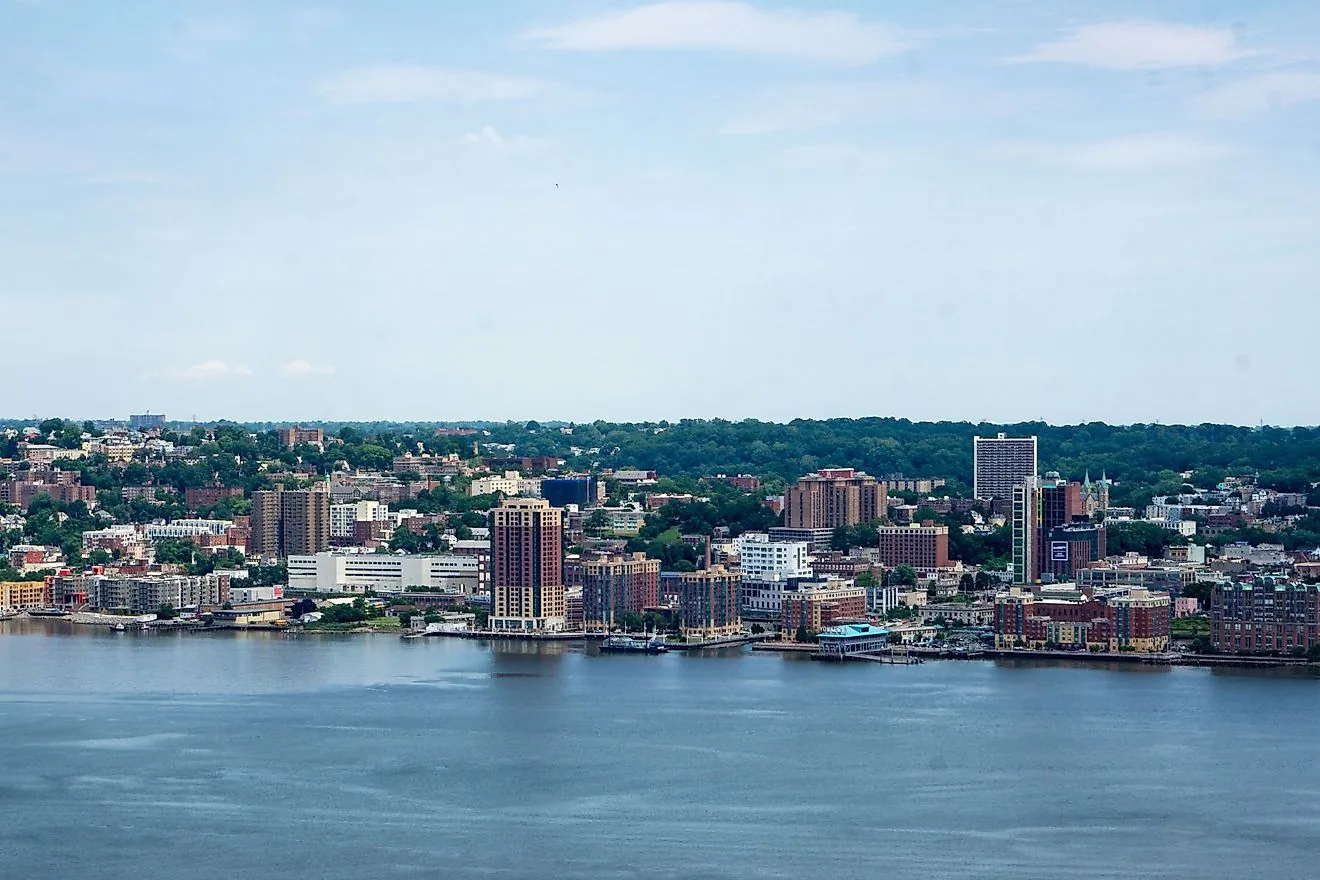
Commercial Roofing Yonkers
Roof Systems in Yonkers, NY
■ COMMERCIAL ROOFING YONKERS
Roof Systems
Single-ply, asphalt-based, metal, foam and coating roof systems installed, repaired and maintained on Yonkers, NY commercial buildings.
TPO Roofing in Yonkers, NY
Inspect, repair, and install TPO roofing in Yonkers, NY with seam checks, drainage review, weather planning, and a clear work record.
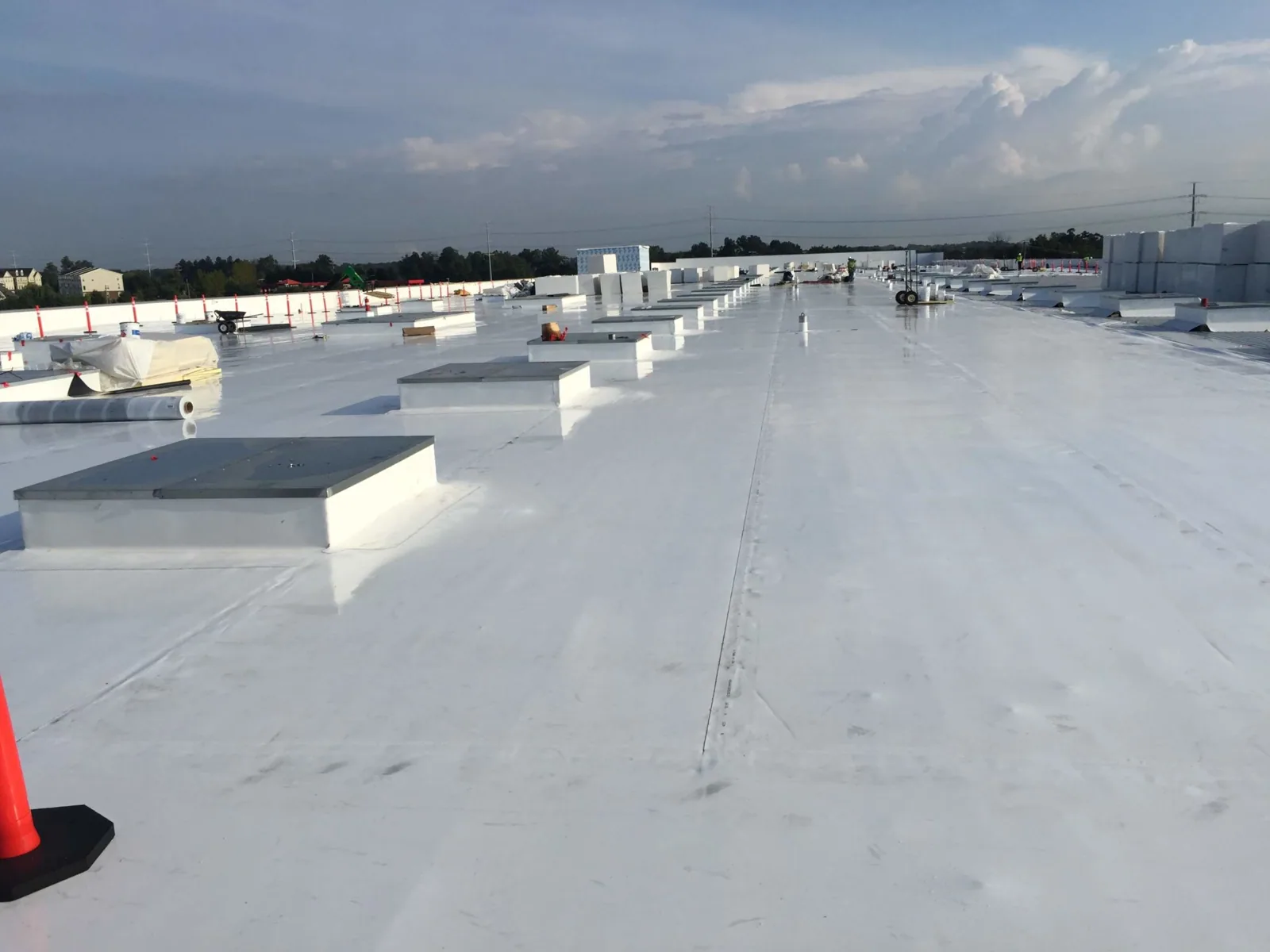
PVC Roofing in Yonkers, NY
Review PVC roofing in Yonkers, NY with welded seam checks, flashing details, drainage observations, and a defined repair boundary today.

EPDM Roofing in Yonkers, NY
Inspect or repair EPDM roofing in Yonkers, NY with membrane, seam, flashing, and drainage findings tied to a clear work record for owners.
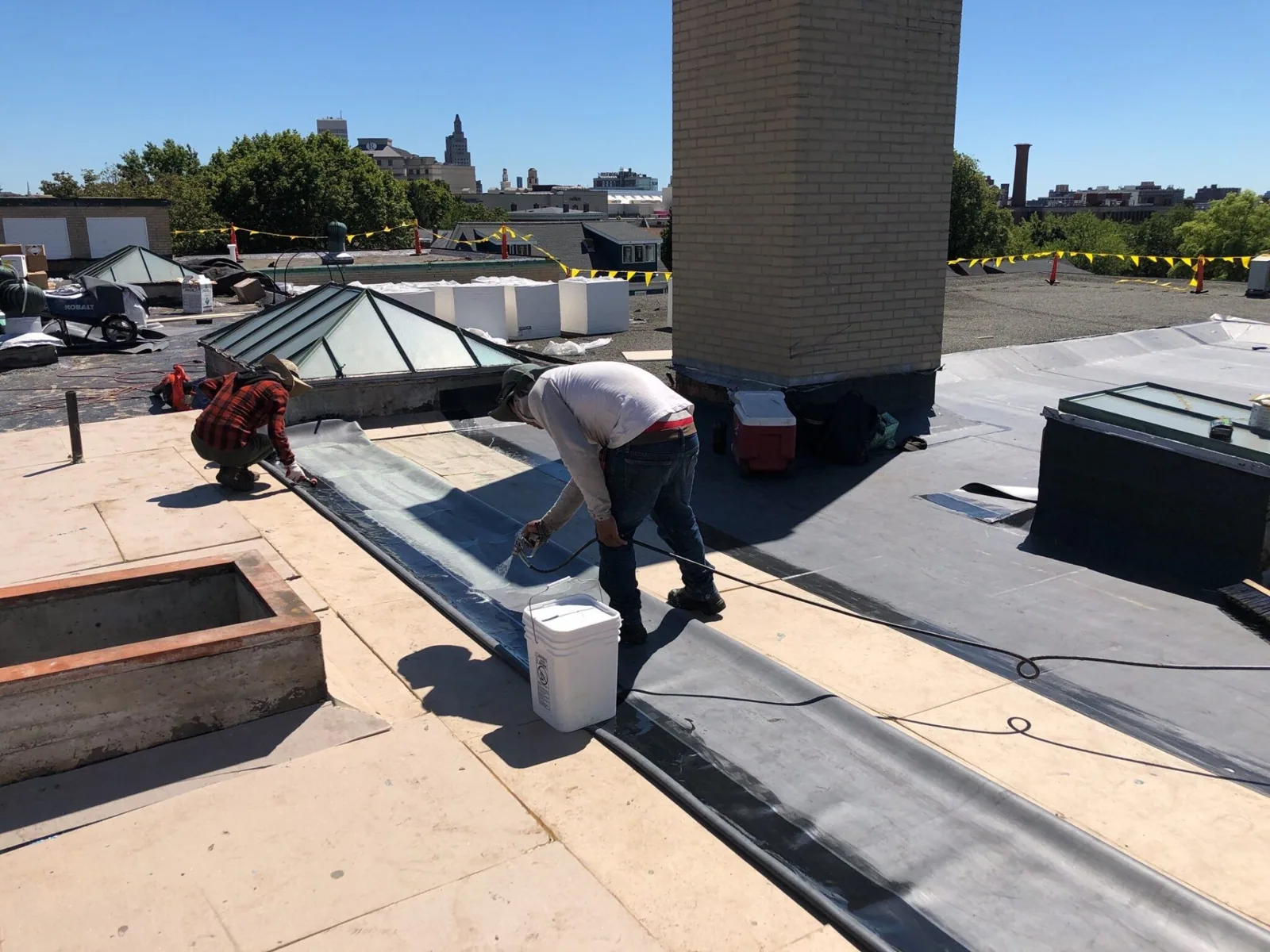
KEE Roofing in Yonkers, NY
Review KEE roofing in Yonkers, NY with membrane, seam, flashing, and drainage findings tied to the specified system and work boundary.

Modified Bitumen Roofing in Yonkers, NY
Review modified bitumen roofing in Yonkers, NY with seam, flashing, drainage, and layer findings tied to a documented repair limit.
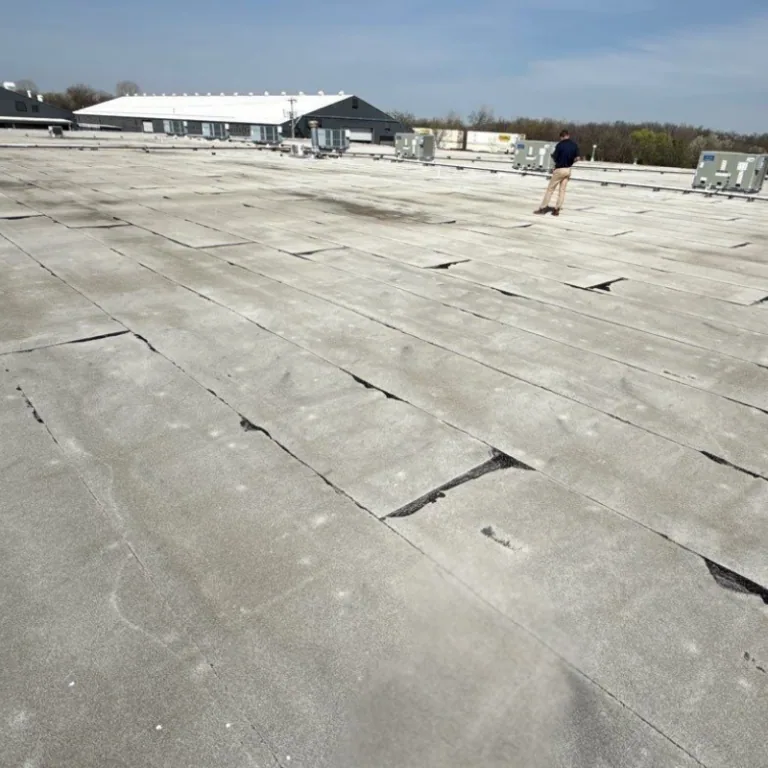
Built-Up Roofing in Yonkers, NY
Inspect or repair built-up roofing in Yonkers, NY with layer, surfacing, drainage, and flashing findings tied to a defined roof scope.
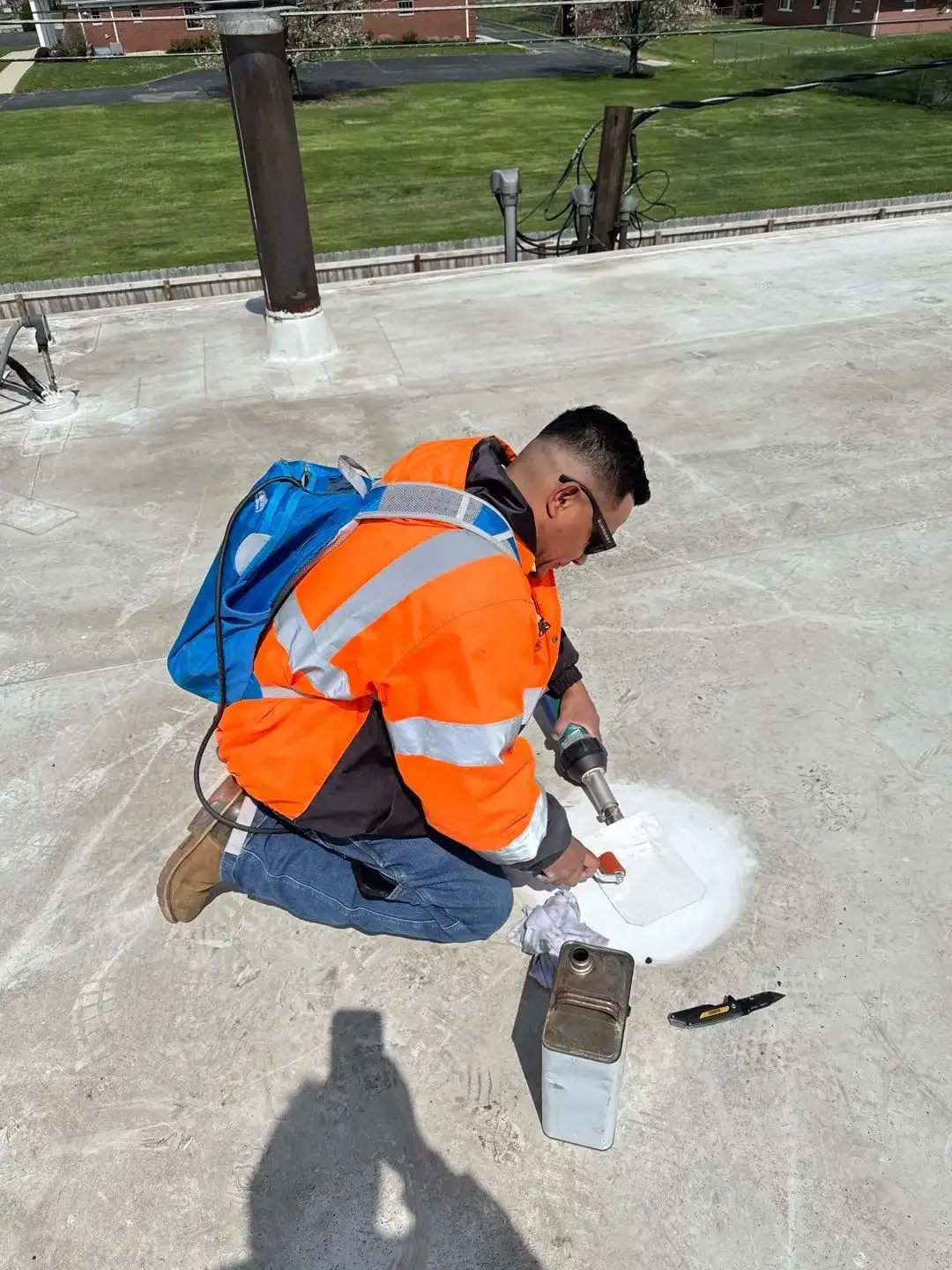
Standing Seam Metal Roofing in Yonkers, NY
Inspect standing seam metal roofing in Yonkers, NY with panel, clip, flashing, drainage, and movement findings tied to a clear scope.
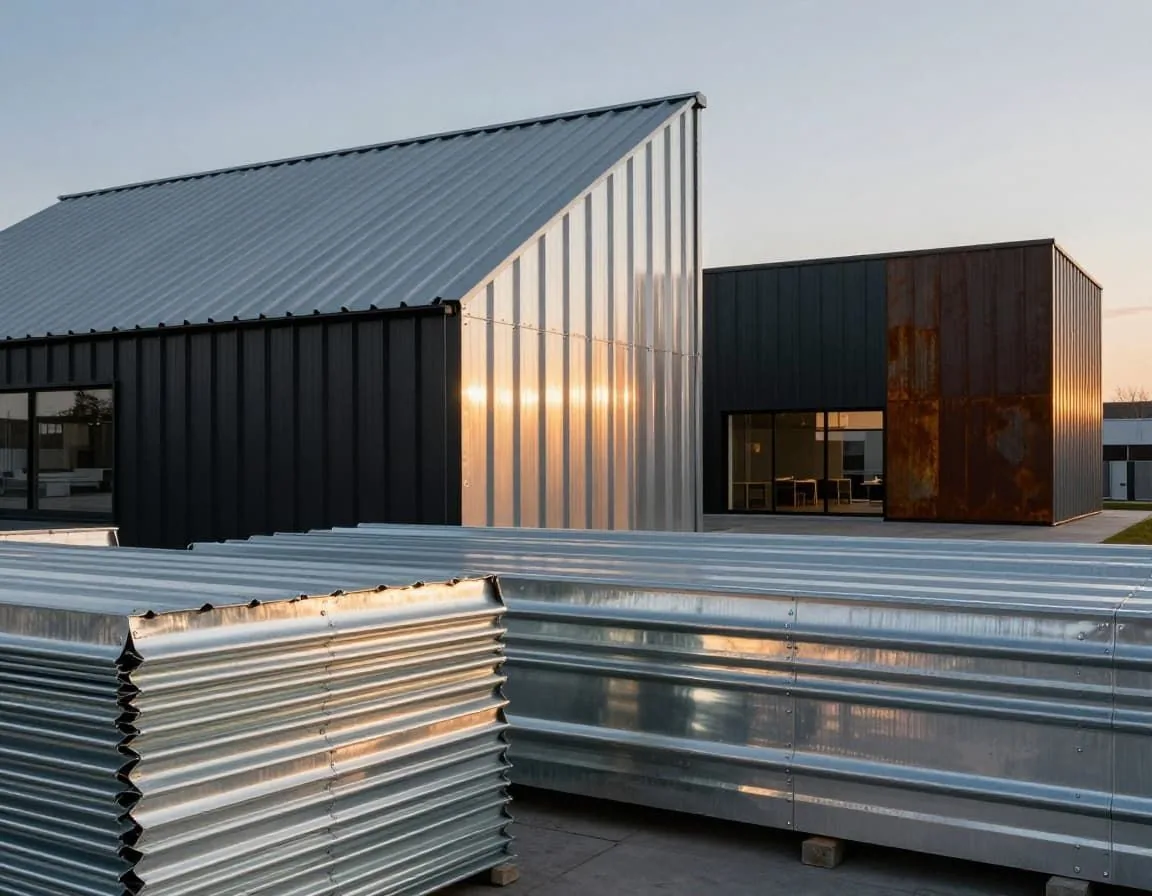
Metal Roof Retrofit in Yonkers, NY
Assess an exposed-fastener metal roof retrofit in Yonkers, NY with fastener, panel, drainage, coating, and tie-in findings before scope is set.
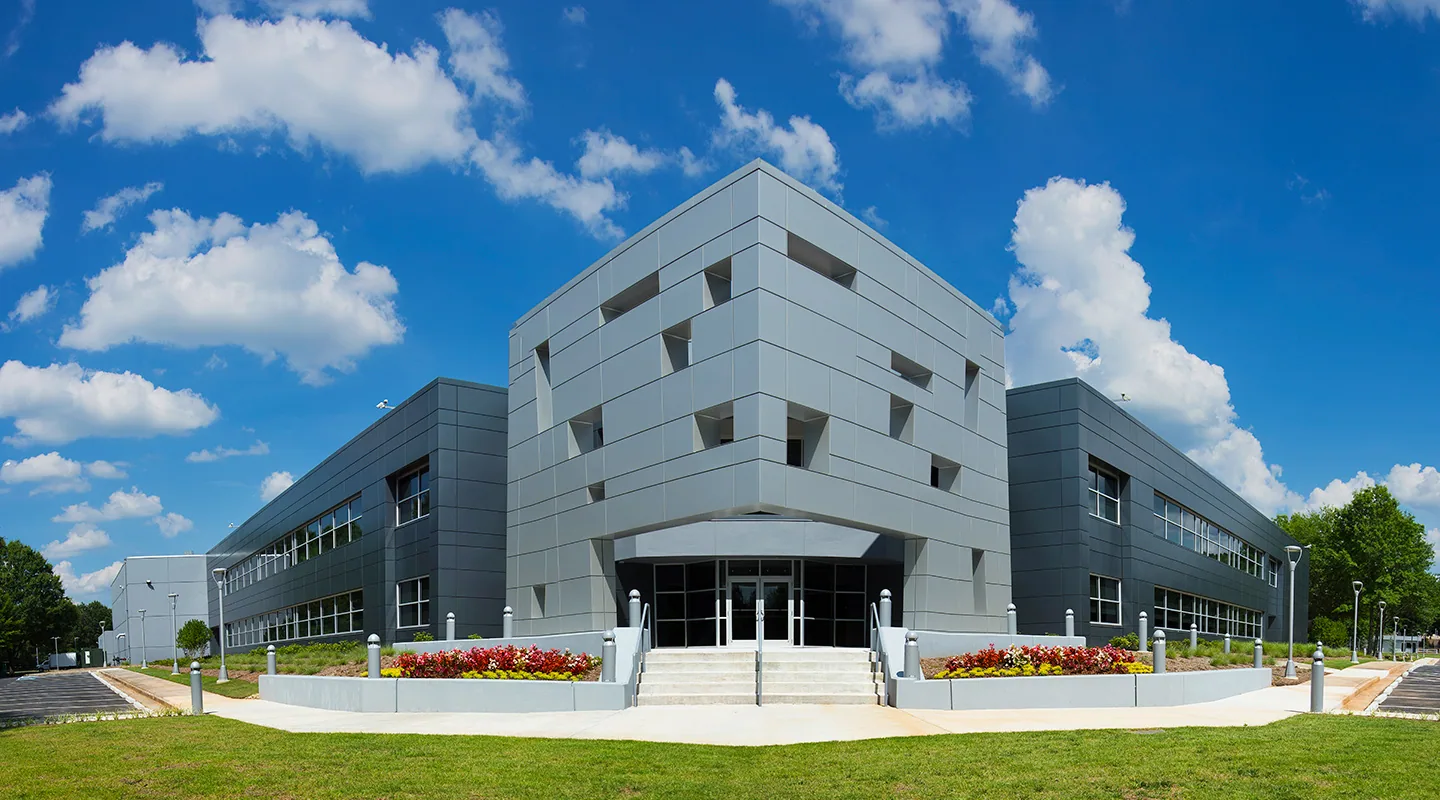
Spray Polyurethane Foam Roofing in Yonkers, NY
Inspect SPF roofing in Yonkers, NY with foam, coating, drainage, and flashing findings tied to a defined restoration or repair scope.
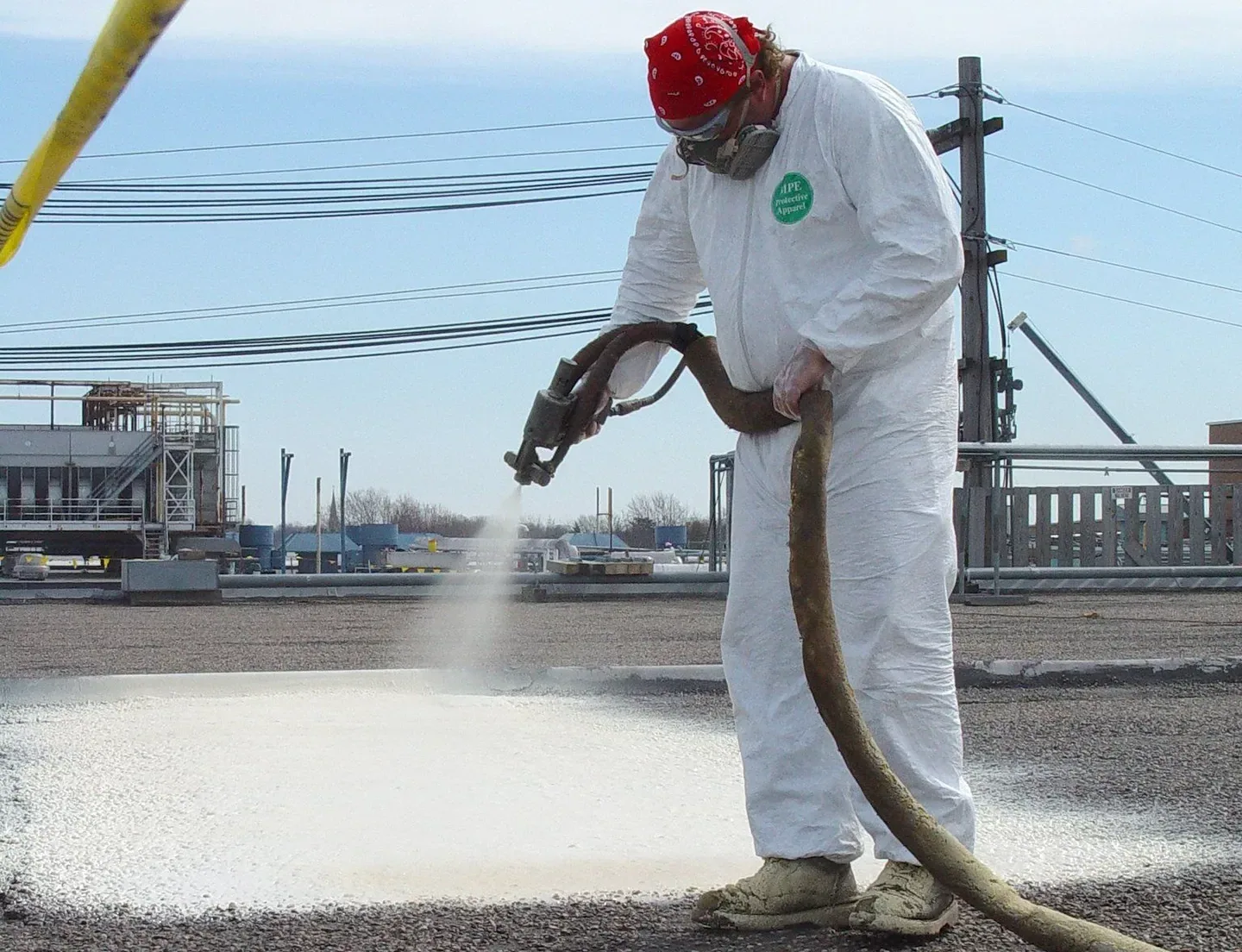
Silicone Roof Coatings in Yonkers, NY
Review silicone roof coatings in Yonkers, NY with adhesion, drainage, flashing, and surface findings tied to a defined restoration scope.
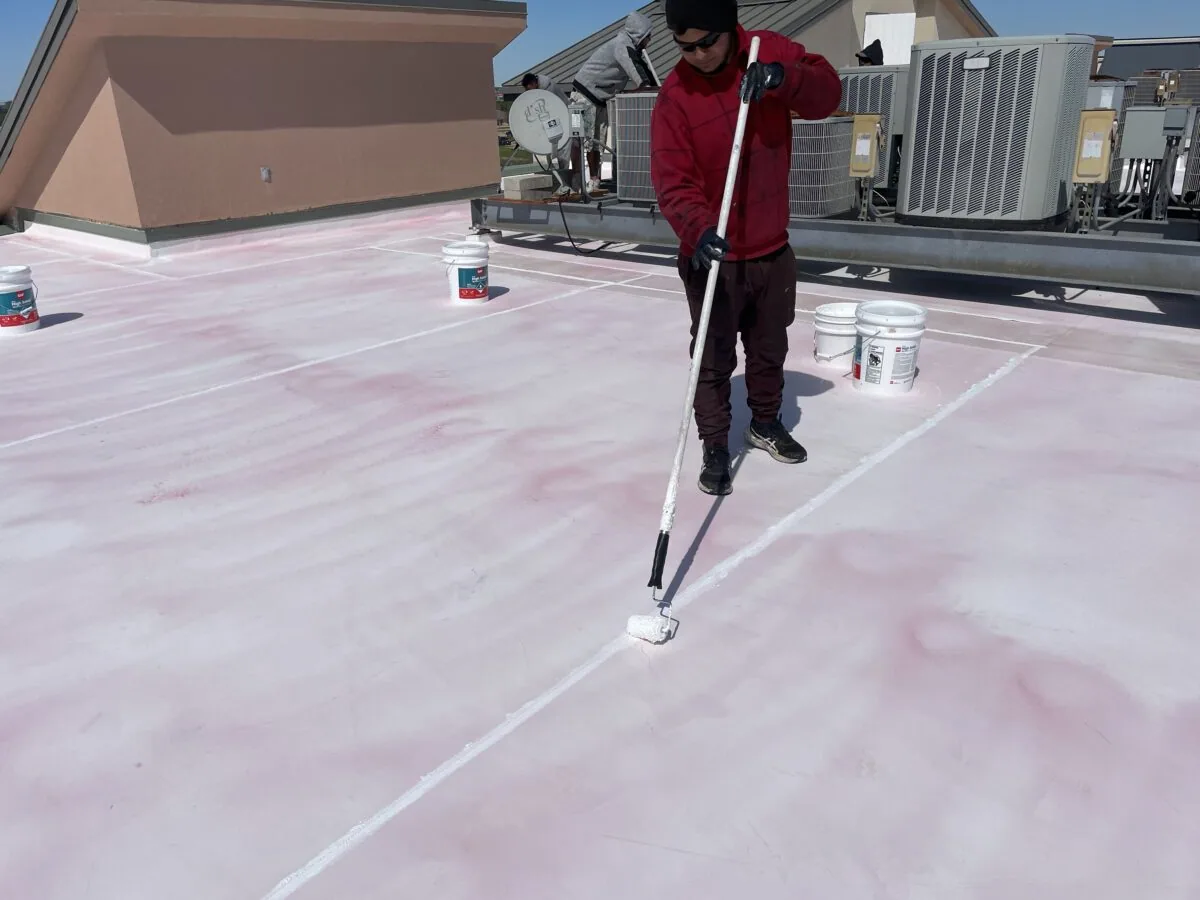
Acrylic Roof Coatings in Yonkers, NY
Review acrylic roof coatings in Yonkers, NY with adhesion, drainage, seam, and flashing findings tied to the existing roof system.
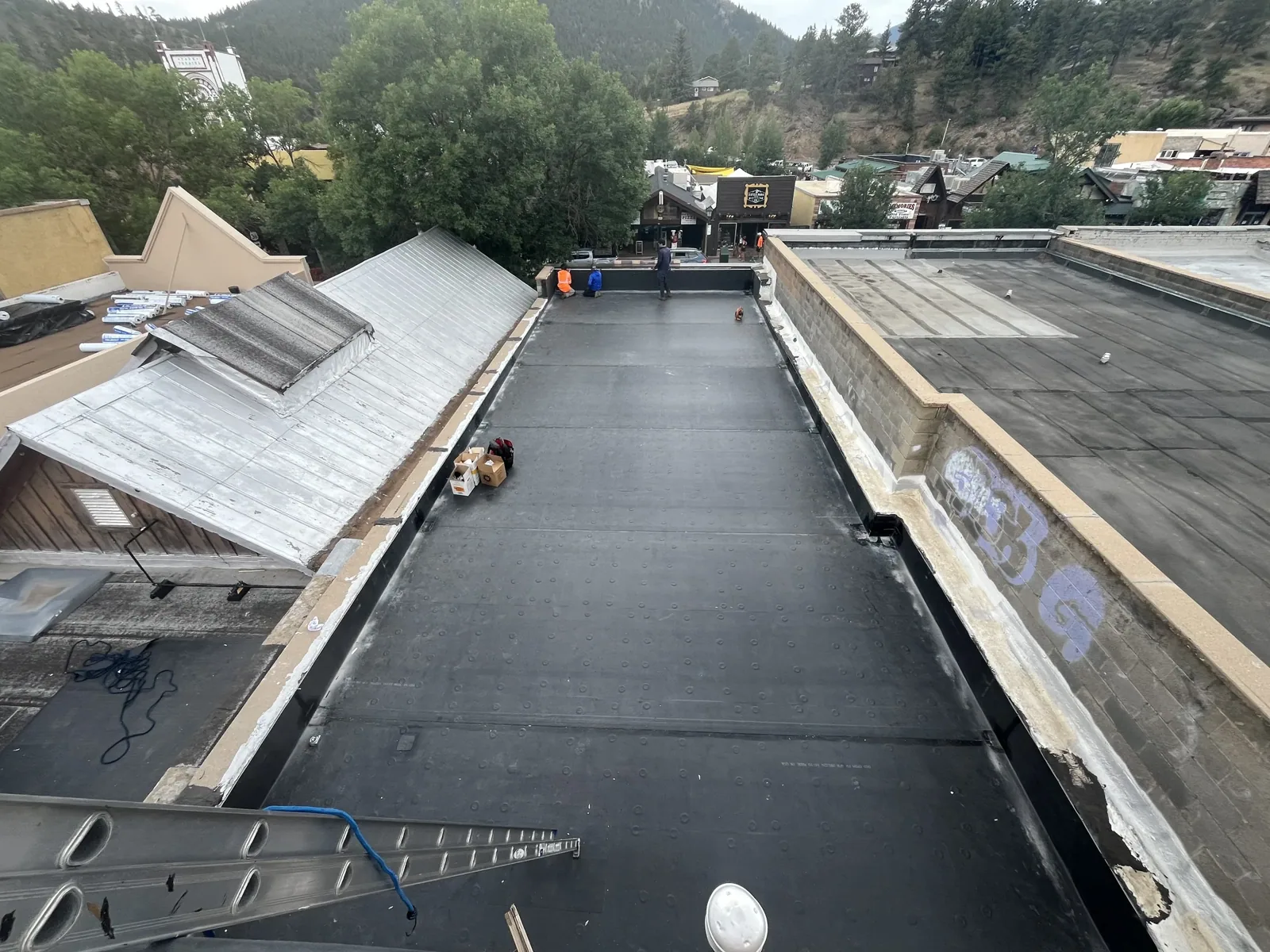
■ ABOUT THIS WORK
Roof Systems for Yonkers Buildings
The name on a roof system matters less than what that system does at a seam, a curb or a drain after ten winters. A Yonkers, NY owner choosing between membranes, metal and coatings is really choosing how the roof will move, shed water and be repaired. We identify the existing assembly first, because a repair, recover or new system has to be compatible with what lies beneath. Then we describe the options in terms of cost, timing and tenant impact, with the tradeoffs written down. The comparison covers first cost, expected repair frequency, the access window each system needs and what happens to the warranty file if the roof is later altered.
Single-ply membranes
White or light single-ply sheets suit large low-slope roofs with many penetrations. TPO roofing and PVC roofing rely on welded seams, so weld testing is part of the record. EPDM roofing uses a rubber sheet with adhered or taped joints, and KEE roofing adds a stabilized PVC blend for exposure to oils and fumes.
Asphalt-based roofs
Layered roofs have a long repair history in older urban buildings. Modified bitumen roofing and built-up roofing are judged by lap condition, surfacing and ply separation. We open a small test area when the layers matter to the decision, then close it the same day. Blisters, split laps and exposed reinforcement are photographed and mapped, so the repair boundary can be drawn on the roof rather than guessed from below.
Metal and foam
Standing seam metal roofing handles movement through clips and raised seams, while a metal roof retrofit can cover a worn roof if the structure supports it. Spray foam roofing forms a continuous insulated surface that needs a protective coating and a dry base. On metal, the questions are fastener condition, panel movement at penetrations and whether the structure can carry a retrofit without added framing, and each answer changes the price and the schedule.
Coatings
Silicone roof coatings and acrylic coatings extend the life of a sound roof, but only over a dry, clean and well-bonded surface. We test adhesion and moisture before quoting, because a coating over wet insulation records a failure rather than preventing one. A coating job also needs a stated cure window, since rain or a cold night during application can undo the work.
Why Yonkers weather matters
Nearby airport records put annual precipitation at 47.75 inches, add a freeze on roughly 105 days, and show ten or so days reaching 90 degrees Fahrenheit. That count explains why seams, drains and metal edges are checked first.
Commercial Roofing Questions
Which system lasts longest in Yonkers?
Service life follows installation quality, drainage and maintenance as much as material. We compare systems against the building and give a written reason for the one we recommend.
Can a new membrane go over the old one?
Sometimes. The existing roof must be dry, attached and able to carry the added layer, and code limits on layers apply. A moisture survey settles it.
Do coatings replace a roof?
No. A coating renews the surface of a sound roof and can delay replacement. It does not repair wet insulation or open seams.
How do you identify an unknown membrane?
We sample a small area, check thickness, seam type and backing, and record the result so future repairs use compatible materials.
■ Request a Roof Assessment
Tell us about the building and the roof.
Describe the leak, damage or planned replacement and we will set up a time to walk the roof. Emergency leak calls are taken around the clock.