
Roof Systems
Built-Up Roofing in Yonkers, NY
Roof Systems
Built-Up Roofing in Yonkers, NY
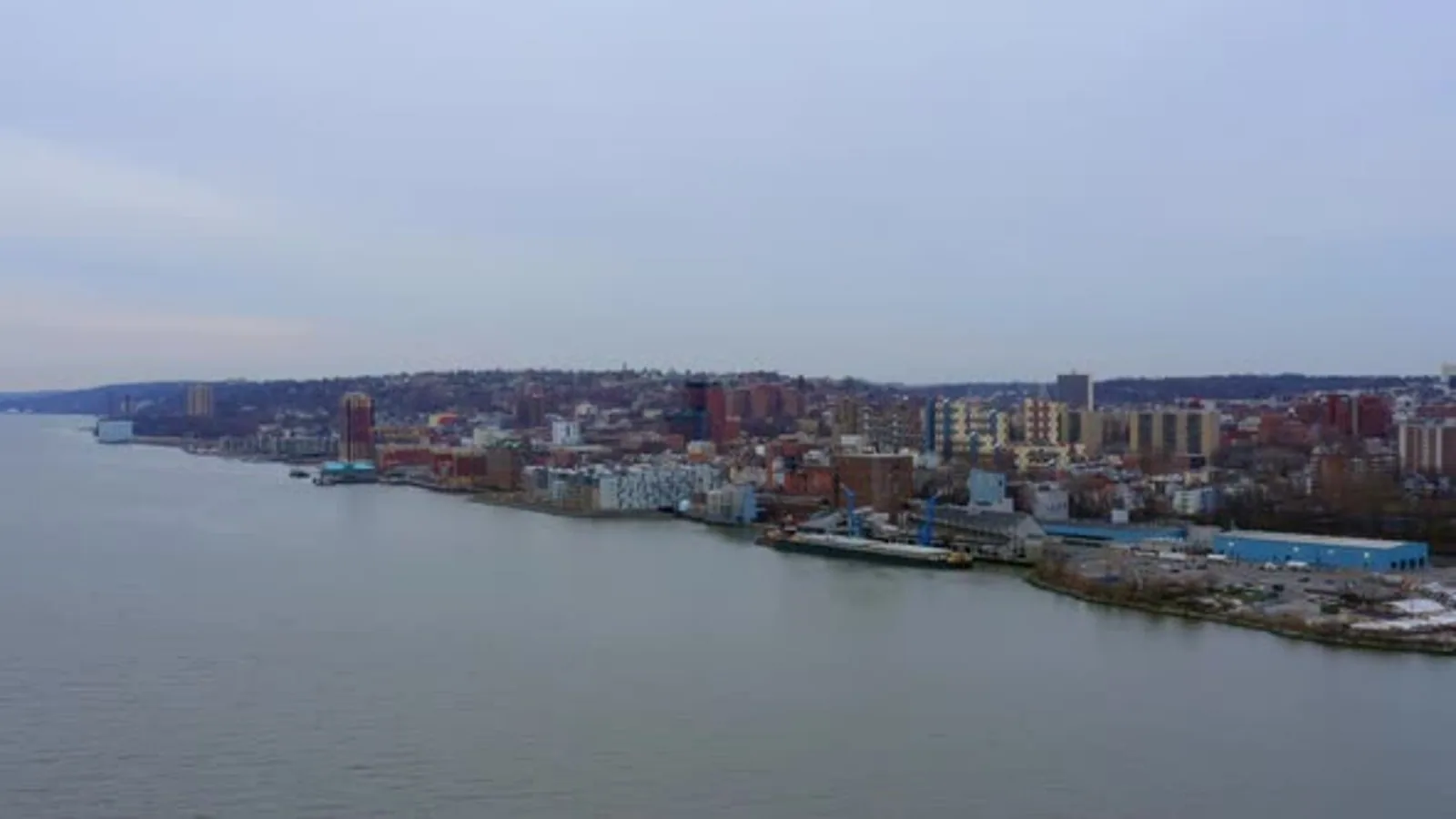
A built-up roof can hide several different conditions beneath its top surfacing. We identify the visible layers, note the gravel or cap sheet, and inspect drains, edges, and penetrations before setting a repair boundary. Industrial space in the Nepperhan and Saw Mill valley and the mixed commercial and multifamily parcels along Tuckahoe Road, as the city's 2000 plan describes them, call for different access arrangements, and the roof assembly at each building is read on site. The report starts with the roof itself and the owner's decision.
Built-up roofing, or BUR, uses multiple bituminous plies combined with interply materials and surfacing. The number and condition of layers affect repair, recover, and replacement choices. A visual review can document what is exposed, while a test opening may be needed to confirm concealed materials or moisture. We record the inspection limit and explain what additional evidence could change the scope.
Read the Surfacing and Layer Sequence
Gravel, mineral cap, or another surface treatment can conceal cracks and prior repairs. We inspect the exposed areas, check blisters and ridges, and look for loose surfacing or open edges. A defect at the top layer does not tell us the condition of every ply beneath it. If the owner needs a repair or replacement comparison, a test cut can identify the layer sequence and substrate at a documented location.
BUR repairs use compatible bituminous materials and methods selected for the installed system. Surface preparation, dry conditions, and the tie-in to sound material matter. An area with broad wet insulation or unstable layers needs a different scope than a small puncture. We describe what can be seen and keep hidden deck or insulation conditions as an open item until they are verified.
A commercial roof inspection can map surface changes, drains, wall transitions, and prior patches before a work order is issued. The close view shows the detail; a wider photograph places it relative to the roof zone. That record helps the property contact review the proposed repair without confusing a local patch with a full assembly correction.
Follow the Drainage Path to the Detail
Water movement can reveal a low area or a weak transition, but standing water alone does not diagnose a failed BUR assembly. We check drains, scuppers, overflow routes, and visible slope transitions, then note debris or ponding evidence. Westchester County Airport receives 47.75 inches of precipitation in an average year, and rain at that rate keeps drains and low areas in the review. We use the visit to document the actual drain and nearby membrane condition.
At walls, curbs, skylights, and equipment bases, flashing interfaces with the field layers and often receives repairs from several trades. We inspect the termination, edge metal, corners, and surrounding surface. A detail with a defined defect may need a commercial roof repair, while a drainage obstruction belongs in a separate drain and scupper scope. The owner can see what work addresses the leak path and what remains outside the boundary.
The city began a 2026 planning study of Central Park Avenue, a 2.3-mile corridor of shops and businesses. At a property near it, customer periods and loading access may affect the work window. The property contact confirms those constraints, and the work order records them. Place context helps with coordination; it does not substitute for roof access or field evidence.
Choose a Repair Method That Fits the Layers
A small cut or open lap may accept a bounded patch when the nearby BUR layers and substrate remain sound. A larger area of wet materials, recurring blisters, or multiple failed details can require more investigation. We identify the area that can be repaired, the preparation required, and any test or removal that needs owner approval. If concealed layers could change quantities, that condition is described before the crew expands the opening.
Some BUR assemblies use hot bitumen or torched materials, while other repair products follow different application steps. Fire-safety controls, building use, and material instructions govern the method. We coordinate required permits, watch, access, and protection below before scheduling work that could create heat or fumes. A replacement review should state removal assumptions, roof height, insulation, and edge details when a local repair no longer fits.
Modified bitumen also uses bituminous sheets, but the sheet construction and system details differ. A modified-bitumen roof comparison can help the owner evaluate those differences. For a single-ply alternative, an EPDM assembly uses another seam and flashing approach. We compare roof use, deck condition, transitions, access, and maintenance needs rather than selecting a material from one visible surface.
Plan for a Suitable Installation Window
Moisture and temperature can affect asphaltic materials and the condition of the surface to be repaired. The mean annual air temperature at Westchester County Airport is 52.0 degrees Fahrenheit, a mild average that hides the cold mornings and hot afternoons a bitumen roof works through. The crew evaluates actual surface conditions and follows the product requirements. If the roof is wet or the application limits are not met, the work order records the hold and any temporary protection separately.
The state's 2025 codes took effect on December 31, 2025. Local authorities handle project-level permitting, so a Yonkers job should verify the code path for its scope and application date. If work affects insulation, drainage, fire classification, or roof height, the design team can review those items before material is ordered.
The Nepperhan and Saw Mill valley service area adds its own staging questions to nearby commercial work. The city's historic plan describes industrial space in the valley, but it is not a current roof inventory. We confirm the actual building, staging area, and access route with its contact before setting the crew sequence.
Record the Repair and Any Remaining Layer Questions
At completion, the owner receives a roof-zone location, photographs, materials and preparation notes, and the repair boundary. If a test cut was made, the file identifies where it occurred and how it was closed. Open questions about hidden moisture or deck condition stay on the record until a separate investigation resolves them. This gives the next visit a useful reference point.
To review a BUR roof in Yonkers, provide existing plans or reports, the reported condition, and access details. We will inspect the surfacing and transitions, identify what can be confirmed, and outline a repair, maintenance, or replacement comparison. The written scope will keep observed findings separate from conditions that remain concealed.
Commercial Roofing Questions
Can a built-up roof be repaired without removing the gravel?
A limited area may be repaired after the surfacing is moved or prepared as required by the system. The inspection checks the layers beneath and defines how the patch will tie into sound material.
How can an owner know how many BUR layers are present?
Records may identify the assembly, but an approved test opening can confirm the visible sequence at a selected location. We photograph and document the opening and its repair.
Does a blister mean the BUR roof is leaking?
A blister is a condition to document, not proof of an active leak by itself. We inspect the surface, nearby details, and interior report before recommending a repair or additional test.
When is a BUR recover preferable to tear-off?
The existing assembly, moisture condition, attachment, added roof height, and applicable code path shape the choice. We verify those items and state the assumptions for each scope before pricing work.
What should be in a BUR repair closeout file?
Keep a marked roof zone, photos, material and preparation notes, the repair boundary, and any test-cut information. The record should also list open conditions that need later review.