
Commercial Roofing Services
Commercial Roof Drains and Scuppers in Yonkers, NY
Commercial Roofing Services
Commercial Roof Drains and Scuppers in Yonkers, NY
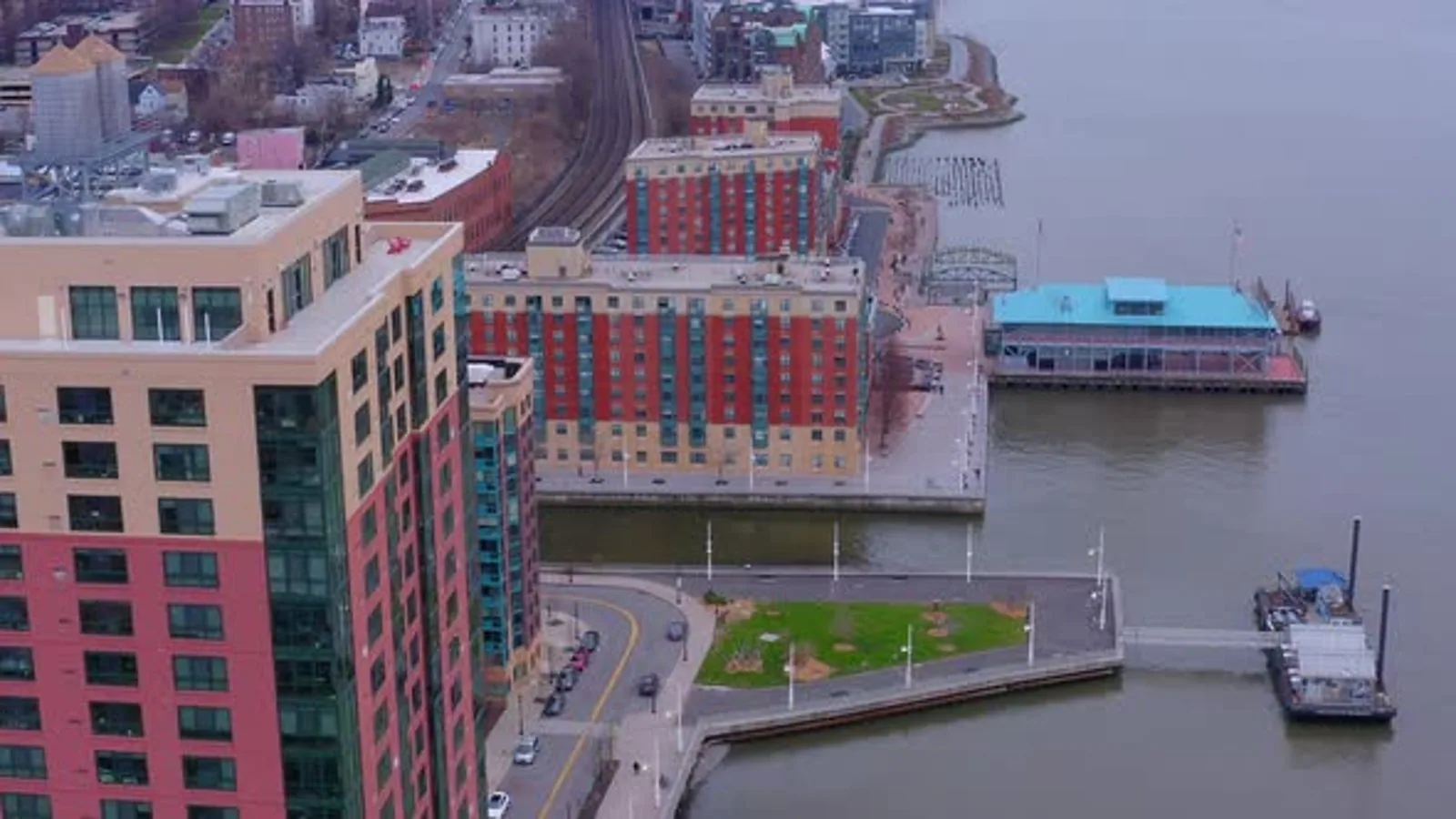
A drain can be clear at the grate and still fail to move water from the roof. We trace the surface toward the outlet, check bowl and flashing condition, and record low areas that may hold water. In Yonkers, NY, Westchester County Airport normals show 47.75 inches of annual precipitation, so drainage paths deserve regular attention. Whether a given roof ponds is decided by its slope, its outlets, and the details around them. We photograph the outlet in context, identify the roof section, and distinguish debris removal from correction of a damaged bowl, failed flashing, or inadequate cricket. The report gives the owner a repair boundary based on the assembly rather than a note that says only to clear the drains.
Follow the Roof's Low Path
We begin above the outlet and follow the slope into the drain or scupper. The walk checks strainers, bowls, clamping rings, nearby seams, wall flashing, and any overflow route. A blocked basket can be a maintenance item; a loose connection or deteriorated flange calls for a repair scope. We also look for debris piles, displaced ballast, or equipment supports that interrupt flow. Each observation receives a location and a photograph, so the maintenance note distinguishes a clearable obstruction from a detail that needs material work.
A cricket redirects water around a curb or other raised feature. We check whether its slope leads toward an outlet and whether membrane transitions remain secure at its edges. A roof inspection can include a mapped review when several low areas need comparison. If a seam or flashing is wet, the leak investigation records the interior report separately from the roof path. The first visible puddle is not a design measurement; we compare elevations and drainage routes before recommending a slope correction.
Measure What Remains After Rain
Standing water should be observed after the expected drainage period and related to the roof's profile. We record its limits, depth when measurable, and nearby drains, scuppers, and seams. A low spot may come from deck deflection, an isolated repair, or original slope, and those causes call for different work. We do not prescribe a cricket or tapered fill from a photograph alone. The repair note identifies where a level check or additional access would change the scope.
Westchester County Airport normals average 104.7 days each year with a daily minimum at or below 32 degrees. Freezing makes water near seams, metal, and drain transitions relevant to monitor, and each roof's condition is settled by inspection. We photograph the area after a wet period when access is safe and compare it with earlier records. If moisture below the membrane is suspected, an infrared survey can help identify areas for a test cut. A scan does not replace opening the assembly where the extent will affect replacement or repair quantities.
Check the Outlet and Overflow
At a primary drain, we inspect the bowl, attachment, flashing, clamp, and strainer seat. On a scupper, we look at the opening, through-wall sleeve, edge treatment, and exterior discharge path. The route beyond the roof matters because a blocked downspout or poor connection can return water toward the building. We mark each component separately and note whether access below the roof is required to inspect the discharge point.
Secondary drainage is part of the same decision. An overflow should have a clear path and a visible discharge point; it should not depend on an owner seeing water inside first. In the Nepperhan and Saw Mill industrial valley, truck movement between commercial uses and the Thruway has been part of the area's planning context. On a particular property, that makes the exterior route worth coordinating when a downspout or outlet repair needs ground access. We confirm it with the contact rather than assume a public or private route. For gutter and downspout work, the proposal shows the connection that will be corrected.
Price the Correction by Layer
Drainage work can range from cleaning a strainer to rebuilding a curb, bowl, or low-area assembly. We identify the removal area, membrane transition, insulation or tapered material, and outlet connection included. If wet insulation is found, the open area and repair perimeter belong in the scope. A field patch around a drain is not a slope correction, and added taper is not a substitute for replacing a failed flange. The owner can compare the parts without combining separate conditions into one allowance. Cost and timing depend on how much membrane must be removed, whether the deck and insulation remain sound, and how the outlet connects below the roof. We list any interior access or downspout work separately. If a drain can be repaired without changing the slope, the estimate says so; if a taper or cricket is proposed, the elevations and tie-in details belong in the drawing or scope. Those items give the owner a basis to compare alternatives.
Preparation and weather also affect how the repair closes. We protect the opening during work and leave each shift with a secure tie-in. If drainage conditions are being reviewed before a broader decision, a maintenance visit can document debris and outlet condition while a separate repair estimate addresses damaged components. A replacement or overlay may need new tapered design; a cover-board and insulation scope can specify those layers. The TPO assembly or other membrane detail still needs compatible flashing at the outlet.
Coordinate the Work Below
Access for a drain repair may require a ladder, roof hatch, interior ceiling access, or a clear path to an exterior downspout. We confirm which doors and pedestrian routes remain open and whether a tenant contact must be present. Tuckahoe Road includes commercial and multifamily parcels near residential blocks. If a downspout needs exterior access, the property contact can identify the loading point and notice requirements. That broad corridor context does not supply a work plan, so we record the route and staging limits for the property.
South Broadway is a business and residential district, which can make protection below the discharge point important when a scupper or gutter is opened. We confirm where water and debris can be controlled during the repair. The Tuckahoe Road corridor and South Broadway area help locate the discussion, while the roof plan and site contact identify the exact work zone. If water is actively entering the building, emergency response is available around the clock, holidays included, while the permanent drainage correction is scoped separately.
Commercial Roofing Questions
Why does water remain near a drain after the grate is cleared?
The bowl, flashing, outlet connection, or surrounding slope may be restricting flow. We inspect the route and identify whether cleaning, a local repair, or a tapered correction is supported by the observed condition.
Can a cricket fix water held behind a curb?
A cricket can direct runoff when its slope and transitions are properly designed and installed. We check the roof profile and membrane tie-ins before including one in a repair scope.
Should I rely on an overflow scupper?
It is a secondary path, not a substitute for maintaining the primary outlet. We inspect its opening and discharge route and note any condition that could keep it from carrying water away.
What if ponding appears only after a heavy rain?
A dated photo with its roof location is useful. We compare how long water remains, its boundary, and the nearby slope and outlets before deciding whether a measurement or test opening is needed.
Request a roof assessment or view all commercial roofing services.