
Service Areas
Commercial Roofing in the South Broadway Corridor, Yonkers, NY
Service Areas
Commercial Roofing in the South Broadway Corridor, Yonkers, NY
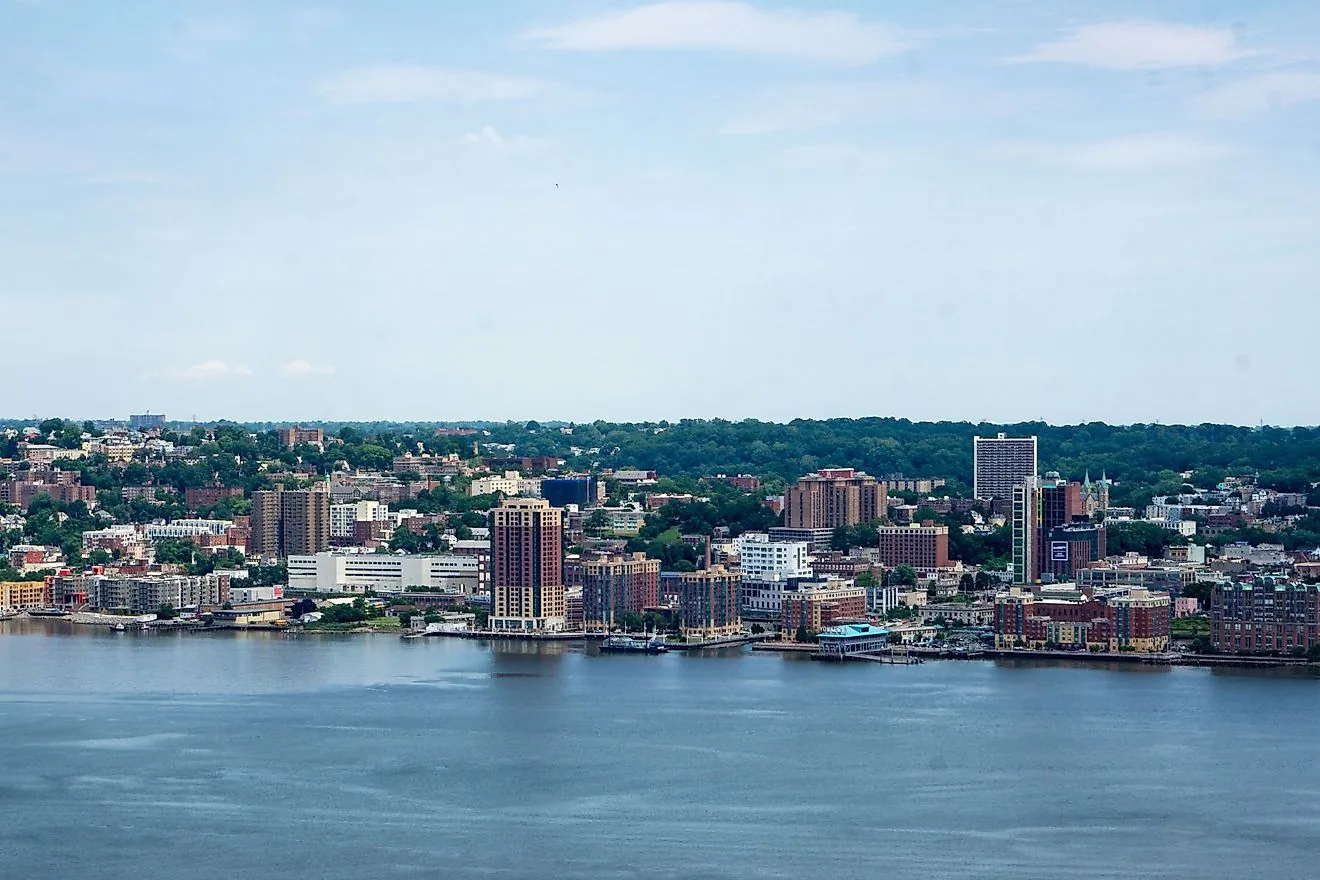
A business roof on South Broadway has neighbors, and the work plan has to say so. Yonkers calls the stretch between Park Hill Avenue and Caryl Avenue a mix of business and residential uses, and its 2026 planning effort there looks at support for neighborhood businesses, safer streets, transportation, housing choices and public spaces. The city's 2000 comprehensive plan also listed South Broadway among its major commercial areas.
Those descriptions set the context for access and communication. Each roof's make-up and condition are read on the walk. A district that mixes shops, offices and homes can still have roofs of very different age and construction, and two buildings on the same block may need opposite repairs. We find that out on the roof, record it in photographs and give the owner a scope that separates what was observed from what is only suspected.
Neighbors Are Part of the Plan
When commercial and residential uses sit side by side, noise, dust, odors and staging all reach people who are not our client. We write a short notice for adjacent occupants, name the days and hours of work and give a number to call. Early notice prevents most disputes, and a named contact on site settles small questions before they grow into complaints to the manager or the city.
Hours matter as much as notice. Fastening, cutting and tear-off are loud, so we schedule them for the part of the day when the building and its neighbors can tolerate them, and we keep earlier and later hours for quieter tasks such as cleanup, inspection and sealing.
We also look at what the roof sheds onto. A scupper that discharges toward a neighboring wall, a gutter that overflows onto a walkway or a parapet that drips onto a lower roof can turn a roof problem into a dispute. Our inspection records where water leaves the roof and where it lands, and the repair plan corrects the discharge as part of the scope. Where a downspout ends at a shared lot line, we mark the spot on the sketch and note who maintains the pavement beyond it.
For torch-applied systems near homes, we describe the alternatives, such as cold-applied or heat-welded options, so the owner can weigh the choice against neighbor and insurer concerns.
Street Access and Staging
Business properties on city streets often have limited frontage and little off-street space. Staging may depend on a sidewalk permit, a metered space or a rear lane. We find out which applies before we price the job, since lift time and protection can cost as much as roofing labor on a small building.
Overhead protection at entrances, barricades on the sidewalk and a spotter during crane or hoist lifts are standard. Deliveries are scheduled for hours when the street can take them, and material is lifted straight to the roof instead of piling on the curb. If the street needs a temporary lane closure, the owner or manager is told who issues the approval and how long it takes.
What the Roof Walk Covers
We start at the perimeter. Parapets, coping, wall flashing and edge metal come first, because walls are where most leaks on small commercial roofs begin. Then we cross the field, noting seams, patches, blisters, ponding and punctures. Last come penetrations: vents, drains, skylights and equipment curbs. We press on the membrane near each one, since softness there points to wet insulation that a visual check would miss.
Each finding is photographed and marked on a sketch. If an interior stain is the reason for the call, we match its location to the roof section above and trace the likely path. A leak repair that starts from this record targets the entry instead of the stain.
Small mixed-use roofs often have skylights or roof hatches. We inspect the skylight and hatch flashing and the glazing seals on each, since those details leak more often than the open field.
Winter Cold and Summer Heat
The Westchester County Airport station, northeast of Yonkers, gives the nearest long-term climate normals. They set the freeze and thaw calendar for the corridor. They show about 47.75 inches of yearly precipitation, close to 105 days with a freezing low and around ten days at 90 degrees or higher.
Freeze-thaw cycles work on seams, drains and metal transitions, so we examine them after winter, with a hose test at drains when the weather allows. Summer heat cycles sealants and membranes, so we look at them again in late summer and note any shrinkage at seams or flashing. Where ice has built up at an eave, a snow and ice damage review looks at the edge metal, the gutter and the roof below.
Repair, Restore or Replace
If a leak comes from one flashing or seam, a targeted repair may close it. If the membrane is sound but worn, a coating may extend its life. If insulation is wet over a wide area, replacement becomes the practical option. Each option comes with its drivers: area, penetrations, deck and insulation condition, lift time and haul-away. The proposal also states which items are fixed and which are measured after the roof is opened.
Where the roof sits above a residence or a shared stair, we add a line for interior protection and a plan for emergency response if the weather turns during the work.
Permit requirements are a local matter. The 2025 Uniform Code has been fully effective since December 31, 2025. Local rules and permits remain a city matter, so we check the Yonkers path for the scope before we schedule.
Records That Last
The closeout file contains labeled photographs, the completed work list, product information and open items. It also records the notice we gave to adjacent occupants, so any later question about the work has a dated answer. If the owner sells or refinances, the same file shows lenders and buyers what was done, when and with which products.
Owners with buildings in downtown Yonkers or along the Central Park Avenue corridor can keep the same file for each, and a yearly maintenance visit adds dated entries as conditions change.
Commercial Roofing Questions
Do you notify neighbors before roof work?
Yes. We prepare a short notice with the dates, hours and a contact number, and the owner or manager distributes it to adjacent occupants.
Can water from our roof become a problem for the building next door?
It can. We record where scuppers and gutters discharge and correct any that send water onto a neighbor's wall or roof.
What are the options if torches are a concern?
Cold-applied adhesives, heat-welded thermoplastics and mechanically attached systems avoid open flame. We describe each with its limits for the roof in question, including deck type, existing layers and the exposure of the details at walls and curbs.
Do small roofs need an infrared survey?
Seldom. A careful walk with probing usually covers a small roof. We recommend imaging only when it changes the decision, for example when the interior damage is widespread but the surface shows no clear entry point.
How long does a small replacement take?
Duration varies with area, weather and access, and the proposal gives a sequence. Many small roofs are dried in each day as the work moves across them, so the building is never left open overnight. Weather delays are logged, and the owner hears about them the same day.