Commercial Roofing Services
Commercial Roof Leak Repair in Yonkers, NY
Commercial Roofing Services
Commercial Roof Leak Repair in Yonkers, NY
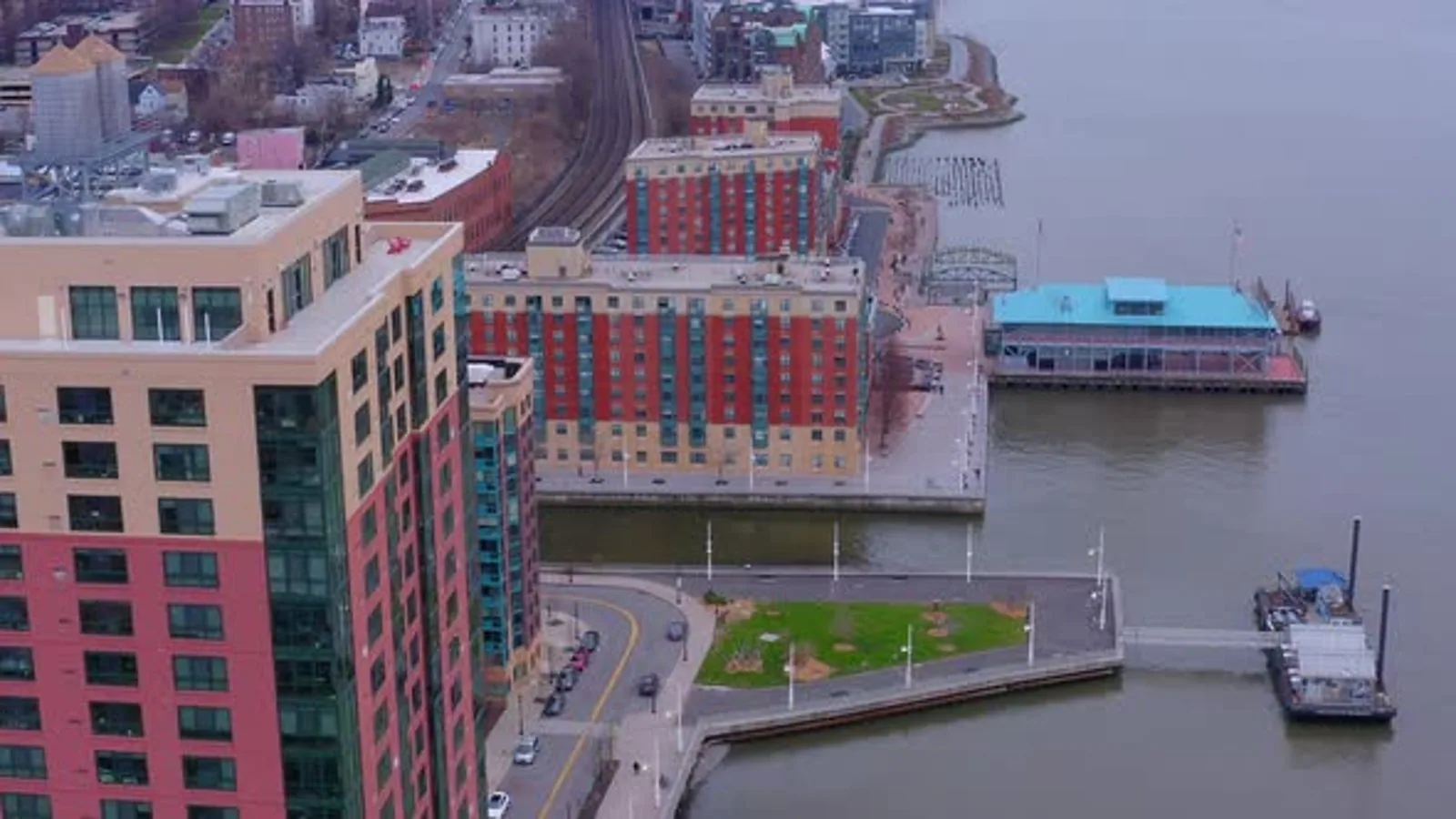
The first useful leak note records the room, time, weather, and whether water is still moving. We protect the affected area, coordinate safe access, and trace the roof above before choosing a repair. Water can travel beneath a membrane or along a deck, so the ceiling mark is a starting point rather than a map of the opening. Our report connects interior observations to seams, penetrations, curbs, drains, parapets, and wall transitions. In Yonkers, a commercial building near Tuckahoe Road may have mixed residential and business uses, while South Broadway is described by the city as a business and residential district. These contexts make tenant communication and access planning worth documenting, but the property itself determines the work. We separate temporary dry-in from permanent correction, identify open questions, and keep a photo sequence with the repair ticket. The owner can then see what was protected, what was repaired, and what needs another look.
Stabilize the Interior First
When water is active, the first task is protecting people, equipment, stock, and finishes below. We coordinate with the site contact on access, isolation, and any electrical or life-safety concern before entering a wet area. If safe, we use temporary collection or protection to reduce further damage. The work note records where water appears, when it began, and what the building operator observed. This does not replace roof diagnosis, but it preserves a timeline that can help distinguish a new entry from water already held in the assembly.
A roof-side visit follows the safest available route and begins with the reported area, then checks conditions above and upslope. We photograph the membrane, laps, flashing, drains, equipment curbs, and adjacent transitions before changing anything. Temporary material is labeled as temporary and given a revisit condition. For round-the-clock response, our emergency roof repair service can protect the building while a permanent repair is planned. If a broader failure is possible, we move from the immediate leak to a commercial roof inspection with a marked diagram.
Follow Water Back to the Roof
A leak path can cross a long distance between the opening and the interior stain. We examine lap seams, wall terminations, pitch pockets, skylight edges, pipe penetrations, curb corners, and drainage points. A blocked drain can keep water against a vulnerable detail; a failed flashing can admit water that travels under an otherwise intact membrane. We note the exact observation and the evidence that supports it. If there is more than one plausible path, the report names the alternatives and the next test instead of turning a guess into a repair instruction.
Some assemblies need a test cut or moisture survey before the repair boundary is set. A scan can help find patterns, but a test opening verifies what lies below. We log its position and close it after examination. If the defect is localized, compatible patching may be sufficient. If water has reached insulation or attachment beyond the visible break, we describe that extent separately. A scoped commercial roof repair addresses a confirmed defect, while infrared moisture surveys help investigate concealed wet areas. The goal is to stop the entry route and retain evidence for any remaining decision.
Close the Detail That Failed
Permanent repair depends on the roof material and condition around the defect. A thermoplastic membrane may be heat-welded after the surface is cleaned and prepared; EPDM requires its compatible cleaner, primer, tape, or flashing materials; a bituminous system uses a different repair method. We confirm what is present before installing a patch. The repair extends onto sound material, addresses the failed transition, and is checked for secure edges and complete closure. A surface smear over a moving seam does not correct poor attachment or wet layers below.
Where water enters at a curb, wall, drain, or skylight, the detail around that object often matters more than the open field membrane. We inspect the counterflashing, termination bar, sealant condition, corners, and fasteners, then determine whether those components can be repaired or need replacement. Work can include skylight and penetration flashing or drain and scupper corrections if those are the documented failure points. The record identifies material and preparation so a later visit can test the same repair boundary rather than start from an unmarked patch.
Plan Around Water and Temperature
Repair timing changes with wet surfaces, temperature, forecast, and the product's application limits. Some materials cannot bond as intended to damp or cold substrates. When conditions do not allow a durable permanent repair, we state what temporary protection was applied and schedule the next suitable window. The owner should know whether active water has stopped, whether another storm could expose an open area, and what access is needed for follow-up. We never describe a temporary dry-in as a completed system repair.
NOAA's Westchester County Airport normals show 47.75 inches of annual precipitation and average 104.7 days each year with a freezing daily minimum. Those figures are the reason we retain dates and photos when the same detail is revisited after rain or freeze-thaw. The city's planning work identifies Central Park Avenue as a shopping and business corridor, where a leak response may need coordination with deliveries or customer access at a specific property. We verify those constraints with the building contact. A maintenance visit can check nearby drains and transitions after the leak repair, but it is a separate inspection record.
Leave a Repair Trail
Every leak visit should leave a traceable record: reported room and time, roof-side observations, temporary protection, permanent work, materials used, photographs, and items that remain open. The marked diagram ties a repair to a drain, curb, wall, or grid location. If an interior finish is still damp after entry is stopped, that observation is recorded separately from roof performance. A return visit can compare conditions and confirm that the repair remains closed under the weather experienced since the work.
When separate leaks occur across the roof, a condition report can distinguish isolated details from a pattern that merits broader work. A repeat failure may call for replacement or a moisture investigation rather than another patch. For a building near Tuckahoe Road or South Broadway, the access route and roof notes are written for that property and kept with the repair ticket. To arrange a visit, contact us about the South Broadway corridor or share the building location and a safe access window. We will document what the roof shows before recommending the next scope. A repair ticket that names the opening, the material, and the weather on the day lets the next visitor test the same spot against the same record.
Commercial Roofing Questions
Should I shut down equipment in the wet area?
Protect people and follow the building's electrical and life-safety procedures first. We coordinate with the site contact before entering or isolating an affected space.
Can you repair the roof during the first visit?
If access, weather, and the material allow a permanent repair, we can scope and complete it. Otherwise we document temporary protection and the conditions needed for a durable correction.
Why do you need photos if the leak has stopped?
A photo sequence records the entry clues, repair boundary, and completed detail. If water returns, the owner can compare the same locations and avoid relying on memory.
When is another inspection needed after a leak repair?
A return is useful when moisture may remain, when the repair was temporary, or when the same area is exposed to another rain cycle. We set that follow-up based on the conditions recorded.
Request a roof assessment or view all commercial roofing services.