Commercial Roofing Services
Drone Roof Inspection in Yonkers, NY
Commercial Roofing Services
Drone Roof Inspection in Yonkers, NY
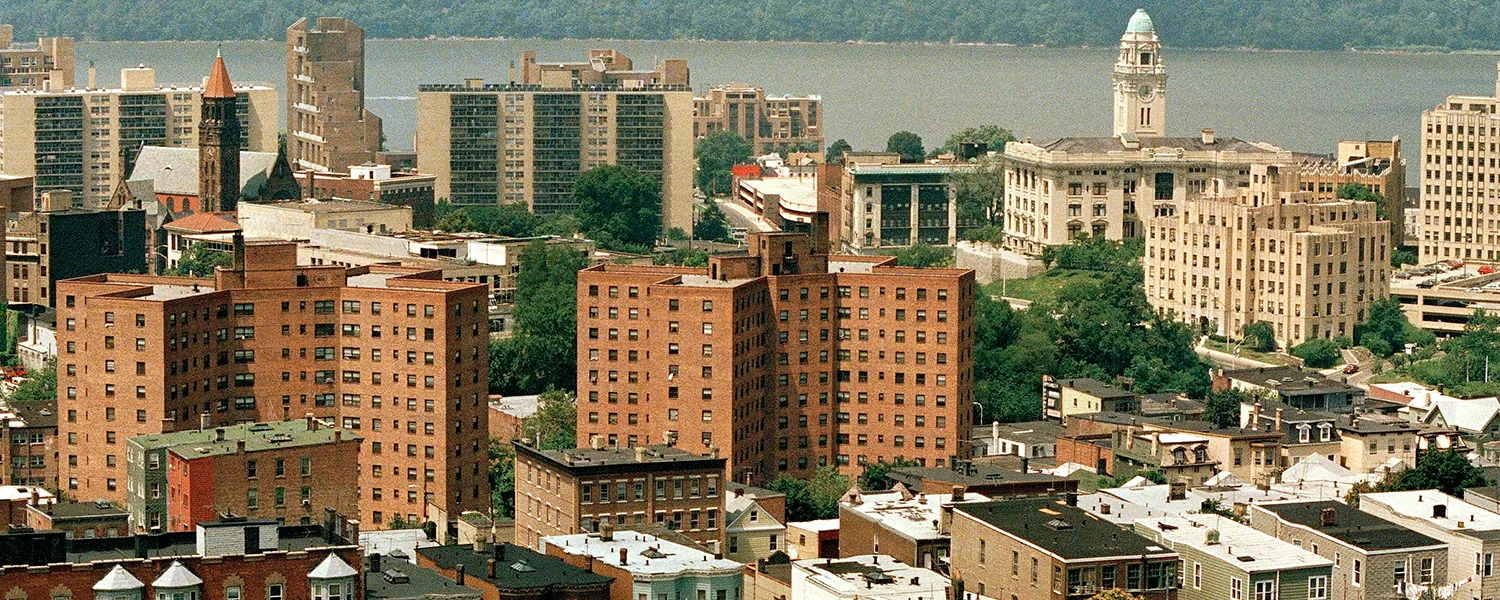
Aerial images are useful when an owner needs a broad view before sending someone across the roof. We use drone imaging to record visible surfaces, transitions, drainage paths, and areas that are difficult to reach, then organize the images by roof section. The flight does not test membrane adhesion, prove moisture below the surface, or replace a hands-on review where those conditions matter. In Yonkers, access routes and occupied surroundings vary from the Central Park Avenue business corridor to the Nepperhan and Saw Mill industrial valley. Aerial documentation can help orient the conversation, but each property needs its own access and safety plan. We note the image date, roof area, viewing limitations, and follow-up questions. The owner can then decide whether a ground-level photo, roof walk, infrared survey, or test cut is the next useful step. This makes a drone inspection a documented first look, not a shortcut to conclusions the camera cannot support.
Plan the View Before the Flight
We confirm the roof sections, access perimeter, building operations, and nearby constraints with the site contact before imaging. The plan identifies where the operator can work safely and what surfaces need a view. The flight may focus on large roof fields, equipment arrangements, drains, perimeter transitions, or a hard-to-reach section. We avoid treating a single image as a complete inspection because glare, shadows, weather, obstructions, and camera angle can hide details. Each view is captured with enough context to help locate the area again.
Central Park Avenue's 2.3-mile shopping and business corridor is part of a city planning initiative; that is useful context for thinking about occupied commercial environments, not a reason to assume the same roof access at every site. We confirm actual loading and pedestrian arrangements before equipment is staged. If the owner needs an interior water trace or material confirmation, a drone alone is not enough. A hands-on roof inspection can examine details directly, while a leak investigation follows the reported path. The scope states which method will answer the owner's question.
Capture Conditions With Context
Useful image records do more than show a roof from above. We label views by roof zone and include wide frames to orient close details. Images can show debris accumulation, standing water at the time of capture, visible membrane cuts, displaced materials, or equipment layout. They cannot show concealed wet insulation, confirm the strength of an attachment, or establish why a stain appeared indoors. We caption each observation as visible, suspected, or unconfirmed, so later decisions do not turn an image into a claim it cannot support.
Where a defect appears, the next step depends on the question. A close roof walk can verify a seam or flashing condition. A test cut can reveal layers. An infrared moisture survey can identify surface temperature patterns for testing, but does not itself prove moisture. The image set can also help plan drain and scupper inspection by showing the layout and access points. We place each visual finding on a roof plan or in a labeled sequence, then identify the additional evidence needed before recommending repair or replacement.
Keep Findings Inside Their Limits
Perspective can distort slopes and distances. A dark area may be shade, surface moisture, residue, or a material change. A bright patch may reflect the sun rather than a new repair. We compare multiple views and avoid estimating dimensions from an image unless the scale can be verified. When a condition affects a repair decision, the report calls for a direct measurement or hands-on confirmation. This protects the owner from planning around a color difference that has not been diagnosed.
Yonkers' Thruway access list names city-area connections at Yonkers Avenue, Cross County Parkway/Mile Square Road, Central Park Avenue, and Tuckahoe Road. Those routes can help a field team plan where to meet and stage, but they say nothing about airspace, property permission, or the safe launch point at a particular building. We confirm those requirements with the authorized contact before capture. Weather and wind conditions may also change whether a flight can proceed. If the view cannot be obtained safely, we record the gap and choose another method rather than imply the roof was covered. The image plan also keeps people and private operations out of the frame when they are not relevant to the roof decision. We retain useful detail views with a wider orientation image, then leave out duplicates that add no information. This keeps the handoff focused on conditions the owner can act.
Make the Images Findable Later
The image package should remain useful after the inspection day. We identify the date, roof section, view direction, and visible condition in the file labels or report. A marked plan links each image to a location, while the summary separates observed items from questions that need testing. The owner can retain the package with prior repair tickets, maintenance notes, and warranty information. If a later inspection uses a different camera path, a consistent map makes changes easier to compare.
Where an owner is tracking several sections, the record can feed a roof condition report and help set maintenance priorities. If images show a repair candidate, the next scope may be targeted roof repair; if the assembly condition remains unclear, arrange a hands-on review. We do not describe image coverage as a warranty inspection or a complete evaluation unless the actual scope supports that description. The purpose is a clean visual record and a practical next decision.
Choose the Confirming Step
At closeout, we summarize what the images show, what they do not establish, and which area needs another look. A defect that is visible from above may still need a technician to confirm the surface condition and attachment. A roof with recurring interior leaks may need moisture testing or a leak trace. A broad field of standing water may need a drainage review after the conditions at the roof are measured. We assign a next action to each item rather than giving the owner a folder of unlabeled photographs.
The view can help pre-plan work near Getty Square, Central Park Avenue, or other Yonkers areas, and the access route and building use are confirmed with the site contact before a flight is scheduled. We coordinate with the property contact for the actual route and operating schedule. To arrange drone imaging, share the building location in the Getty Square and downtown area or the broader service area. When the assembly supports it, a follow-up replacement evaluation can use the image record as orientation, followed by direct testing of conditions that affect the scope. The report should make those handoffs clear.
Commercial Roofing Questions
Can a drone show whether insulation is wet?
No. Images may help identify areas for closer review, but they do not confirm concealed moisture. We use an appropriate survey and test cuts when moisture would change the scope.
Do aerial images replace a roof walk?
Only when the question is limited to visible coverage and access makes that useful. Seams, flashing, attachment, and material condition may require a hands-on inspection.
What if the drone cannot capture a roof section?
The report identifies the missing view and why it was unavailable. We can plan another safe method, such as a roof walk from an approved access point.
How are the images organized?
We label them by date, roof section, and view, then connect observations to a marked plan when available. The report states what each image supports and what still needs confirmation.
Request a roof assessment or view all commercial roofing services.