
Service Areas
Commercial Roofing in the Central Park Avenue Corridor, Yonkers, NY
Service Areas
Commercial Roofing in the Central Park Avenue Corridor, Yonkers, NY
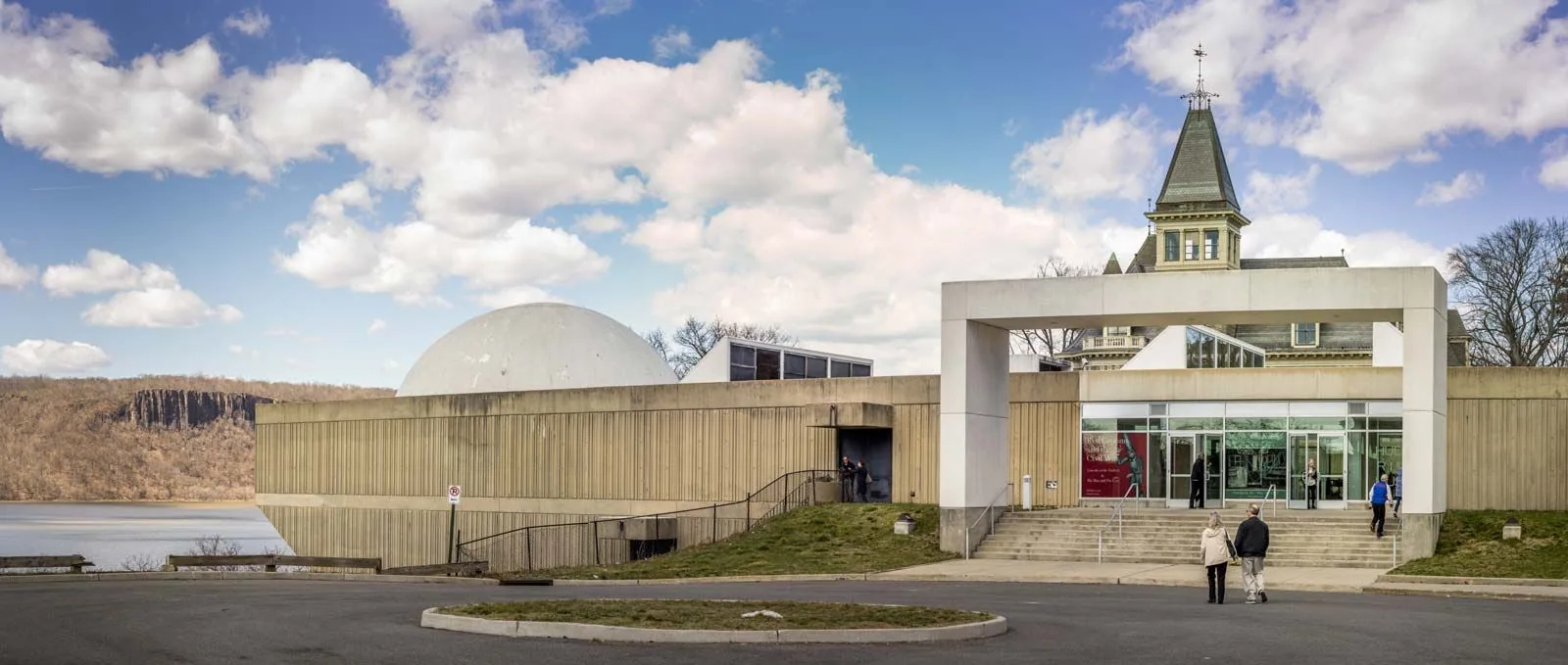
A shopping corridor puts one roof decision in front of many people: the owner, the managing agent, the tenants and the customers who use the lot. Along Central Park Avenue in Yonkers, that is the working condition for commercial roof repair. The roof file has to serve all of them: it must be specific enough for the contractor, short enough for a tenant, and complete enough for a lender or insurer. The city describes the 2.3-mile corridor, running from Tuckahoe Road to the northern city boundary, as a longstanding shopping and business destination, and in 2026 it opened a planning initiative to review land use, zoning, design and infrastructure there.
What each roof is made of, and how old it is, comes from the walk, not the study. A walk does. We record the roof by area, tie each finding to a photograph and separate what is observed from what is suspected, so the owner can decide with the facts on one page.
Tenants Set the Work Plan
On a retail or office roof, the schedule has to answer to the people below it. Before work starts we ask for the tenant list, the open hours, any quiet periods and the equipment that cannot lose power. Then we divide the roof into sections that can be opened and closed within a day.
Noise, dust and odor are the usual complaints on an occupied building. Tear-off above a dental office, a restaurant dining room or a classroom needs a different plan than tear-off above a stockroom. We list each affected area in the work order and name a contact for each, so a tenant hears from us before the work reaches their space. A rooftop unit serving a single tenant stays running unless that tenant agrees, and any shutdown is kept as short as the work allows.
When a tenant reports a leak, the same record helps, because the tenant, the manager and the roofer then work from one set of facts. The date, the room and the weather at the time are logged, and the roof section above is walked first.
Parking, Deliveries and Staging
Shopping properties depend on parking, so staging has to occupy as few spaces as possible. We mark a work zone with barricades, place the dumpster and lift where they do not block fire lanes or accessible routes, and schedule deliveries for early hours. A hoist that reaches the roof from the rear can keep the front entrance clear. Pedestrian routes from the lot to each storefront stay open and marked, with signs and cones placed before the first load comes off the truck.
The Thruway lists a White Plains and Central Park Avenue exit on its I-87 mainline, which ties the corridor to regional roads. Trucks arriving from the highway still have to find a place to unload, and we agree on that place with the property manager in advance. Material that arrives early and sits in a lot is a theft and safety risk, so loads are timed to the lift schedule. Where a rear service lane exists, we use it. Where it does not, we agree on a front-of-building window before opening hours.
Read the Assembly Before Choosing a Fix
Shopping centers and mixed commercial buildings can carry different roof systems on different sections, added at different times. A canopy may have a different membrane than the main roof, and a former storefront bay may have a repaired section with a different base. We identify each system before quoting, because a repair that suits one will fail on another.
The first checks follow a fixed order: seams and laps, flashing at walls and curbs, drains and scuppers, and penetrations. Where the field looks sound but interior stains persist, we scan for moisture in the insulation with infrared moisture survey methods and confirm with a small core.
Findings are ranked as urgent, near-term, planned or monitored, and each rank carries a recommended time frame, so the owner can spend first where the risk is highest. A leak above stored inventory ranks above a stain above a corridor, and the report says why in a sentence or two, with the photograph next to it.
Weather Exposure in Westchester
The weather record behind this work is the Westchester County Airport normals, kept northeast of Yonkers. For 1991 to 2020 they show 47.75 inches of yearly precipitation, about 105 days with a freezing low and roughly ten days of 90 or more.
For a large flat roof, that means water, ice and heat all take turns. Freeze-thaw cycles work at seams and drains. Summer heat stretches sealants. We check drains and sumps before winter, clear debris from every outlet, look at the condition of edge metal where meltwater runs off, and we plan any modified bitumen repair or other membrane work for temperatures that allow proper adhesion. Cold slows adhesives and stiffens membranes, so a cold-weather repair is often a temporary closure and the permanent detail waits for a warmer window.
Scope Options and Timing
A repair program addresses the proven defects. A restoration coating suits a sound, dry membrane with surface wear. A recover adds a new membrane over a dry existing one. Replacement removes everything to the deck. Each option affects tenants differently, and the proposal says how. Cost drivers are listed apart from the base price: deck repair, wet insulation, the count of penetrations, lift time and the disposal route.
Timing depends on weather, tenant calendars and permit review. On the code side, the 2025 Uniform Code is the state standard now in force, and local officials answer permit questions; we confirm the Yonkers permit path before dates are fixed.
Records the Owner Keeps
The closeout file includes labeled photographs, the completed work list, product information and any open items. It also notes the access window that worked, any tenant concern that came up, and the date of the next recommended walk. For a multi-tenant property, it also lists which tenant areas were affected and when.
Owners who also hold property on the Tuckahoe Road corridor or the Yonkers Avenue corridor can use the same file for each building and track them under a shared maintenance plan.
Commercial Roofing Questions
How do you keep stores open during a re-roof?
We work in sections, protect entrances, keep fire lanes clear and agree on quiet hours with each tenant. The roof is closed at day's end so rain does not enter, and a crew member checks each tie-in against the forecast before leaving. Tenants get a phone number to call if they see water.
What if two sections of the roof use different materials?
We identify each system and repair it with compatible materials. Transitions between systems get their own detail, since that is where leaks often start.
Can the work wait for the corridor planning study to finish?
A roof leak does not wait. Repairs that protect the interior can proceed now. Larger scopes can be timed to the owner's own plans for the property, and a documented roof condition helps whichever way those plans go.
Who coordinates with the city on permits?
We verify the permit path for the scope with the city and tell the owner what drawings or approvals are needed.
How do you document a tenant's leak complaint?
We log the room, the time, the recent weather and whether water is active, then walk the roof section above. Photographs go in the file, along with a note on whether the likely entry is a seam, a drain, a curb or an edge, and what test would confirm it.