
Service Areas
Commercial Roofing in the Yonkers Avenue Corridor, Yonkers, NY
Service Areas
Commercial Roofing in the Yonkers Avenue Corridor, Yonkers, NY
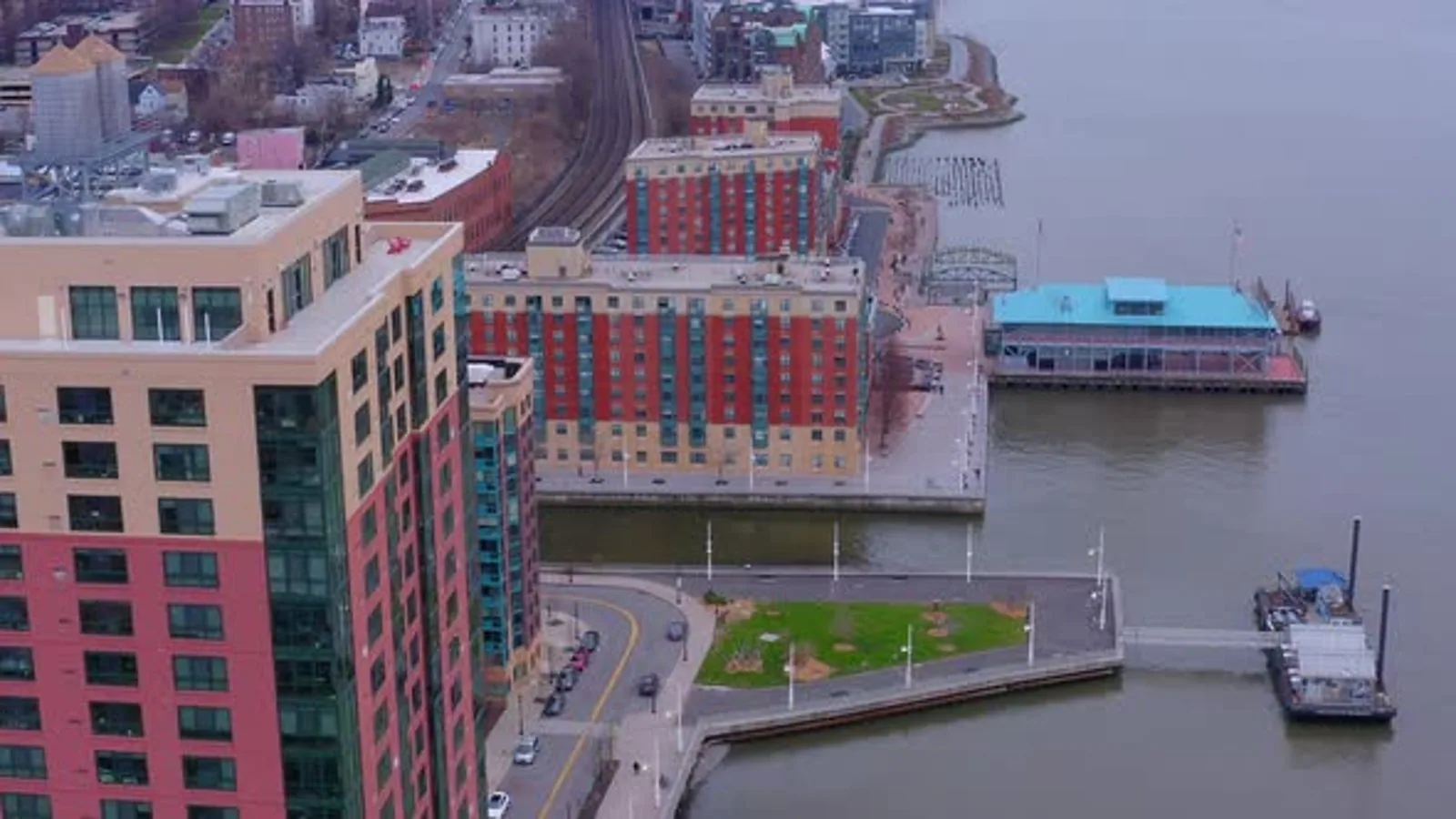
Owners on a corridor that planners have studied for redevelopment need a roof record they can hand to someone else. Yonkers' 2000 comprehensive plan treated Yonkers Avenue as a city commercial corridor and described its meeting with Central Park Avenue as a major redevelopment planning area near the Thruway, with possible commercial and office use across a 99-acre study area. The Thruway lists Exit 2 as Yonkers Avenue. The plan is more than two decades old, so current conditions have to be verified one property at a time.
On the roof, that means a written condition record with photographs by area and a clear line between what was seen and what is suspected. Whether the owner is repairing, selling, refinancing or planning a larger project, the record is the first document anyone will ask.
We do not assume what a building near the avenue looks like from the plan. A corridor can hold low-rise offices, retail strips and service buildings side by side, with roofs of different ages and systems. The walk tells us which it is, and the report says so plainly.
Build the Roof Record First
A condition record has five parts. A sketch shows each roof area. Photographs are labeled by area and taken from fixed positions. A findings list ranks each item as urgent, near-term, planned or monitored. A moisture note says what was tested and what was not. An access note says how the roof was reached and what limited the walk.
That format lets a lender, a buyer's engineer or a new property manager read the roof without a phone call. It also lets us compare the next visit against this one, since the photographs are taken from the same positions each time. A seam described as tight this year and open next year gives the owner a dated change instead of a guess.
For multi-building owners, our roof condition reports use one format for every roof.
Assembly, Age and Remaining Life
Remaining life is judged from evidence, not from a calendar. We look at the membrane surface for cracking, shrinkage and loss of flexibility, at seams for movement, at flashing for gaps and at the insulation for moisture. A roof with several prior patches near one another often points to a recurring entry point. A roof with a single patch and dry insulation can carry.
Age matters less than condition, but it frames the plan. A roof close to the end of a typical service life for its system gets a replacement window in the capital plan, while a younger roof with a localized defect gets a repair. We state which case applies and what evidence supports it.
If the system is unknown, we identify it by markings, a small sample or records. The repair must match: a patch that is wrong for the membrane fails at its edges, and a coating over wet insulation traps the water.
Equipment adds its own questions. Rooftop units, exhaust fans and communication gear each sit on a curb or support, and the flashing around them ages faster than the field. We check the height of the flashing above the roof surface, the condition of the sealant and whether the unit has shifted since it was set. Replacing a unit but leaving its curb flashing as it was often brings the leak back.
When the evidence shows widespread moisture, we say so in the report, with the readings, and move to capital planning, with replacement timing set against the owner's other plans for the property.
Winter and Summer Exposure
Climate normals from the Westchester County Airport, northeast of Yonkers, give the regional weather for 1991 to 2020: about 47.75 inches of precipitation a year, freezing lows on roughly 105 days and 90-degree highs on about ten.
That mix explains what we check after winter, drains, seams and metal transitions, and what we check after summer, sealants and flashing. We use it to schedule inspections ahead of the seasons. For ice at the roof edge or a collapsed gutter, snow and ice damage repair begins with a record of what the ice did.
Access, Tenants and Traffic
Where commercial properties near an interchange share driveways and parking with their neighbors, access needs agreement beyond the owner's own lot. Before scheduling we ask who controls the lot, where a lift can stand and which hours tenants need quiet. Deliveries are timed for off-peak periods, and material goes straight to the roof.
Highway noise masks some construction sound, but not all of it. Office tenants with calls and meetings may still need quiet periods, and the schedule leaves room for them. We also keep walkways and entries clear and mark any area where overhead work is under way.
Where a building is occupied during roofing, the work order names the affected tenant areas, the equipment that must stay on and the person who can authorize a shutdown. A first visit near the avenue starts at the curb: which entrance the crew will use, where the lift can stand, and who can move a vehicle if a delivery blocks the way.
Scope Options and Cost Drivers
We offer four paths. Repair answers a proven defect. Restoration renews a sound, dry membrane. Recover adds a layer over a dry existing roof. Replacement removes everything to the deck. Each has separate cost drivers, namely area, penetrations, deck and insulation condition, lift time and haul-away. Fixed items and measured items appear on separate lines, and each measured item has a unit rate, so a change in quantity is priced before it happens.
Code and permits come from the city. State code is now the 2025 Uniform Code, fully effective since December 31, 2025, and local questions go to local officials. We verify the Yonkers path for the scope before dates are set.
The Next Decision
The report ends with a short list of choices and what each would change, written so that a non-roofer can follow the reasoning. The owner decides, and we schedule accordingly. If the choice is to wait, the report names what to watch and when to look again, so waiting is a planned decision with a date on it.
Owners with other properties in downtown Yonkers or the Nepperhan and Saw Mill valley can keep each building's roof in the same format and review them under a maintenance plan.
Commercial Roofing Questions
What does a lender want to see about a roof?
Age or system type if known, current condition, recent repairs, open items and a planned replacement window. A dated, photographed record answers those points in one document, and the ranked findings show how much of the roof's condition is already known.
Can a roof report support a sale?
Yes. Buyers and their engineers often ask for roof history, and an owner who hands it over early avoids delays at the end of a deal. A condition record with photographs and a repair list shortens that conversation.
How do you rank findings?
Urgent items threaten the interior or structure now. Near-term items will within a season or two. Planned items are wear. Monitored items are recheck points.
Will you test for wet insulation?
When the evidence justifies it. Probes, meters and infrared scans find moisture, and a small core confirms it. The report states where we tested and where we did not.
Can you handle several buildings at once?
We can survey several roofs in one engagement, using one format and one ranking so they can be compared directly.