
Roof Systems
Modified Bitumen Roofing in Yonkers, NY
Roof Systems
Modified Bitumen Roofing in Yonkers, NY
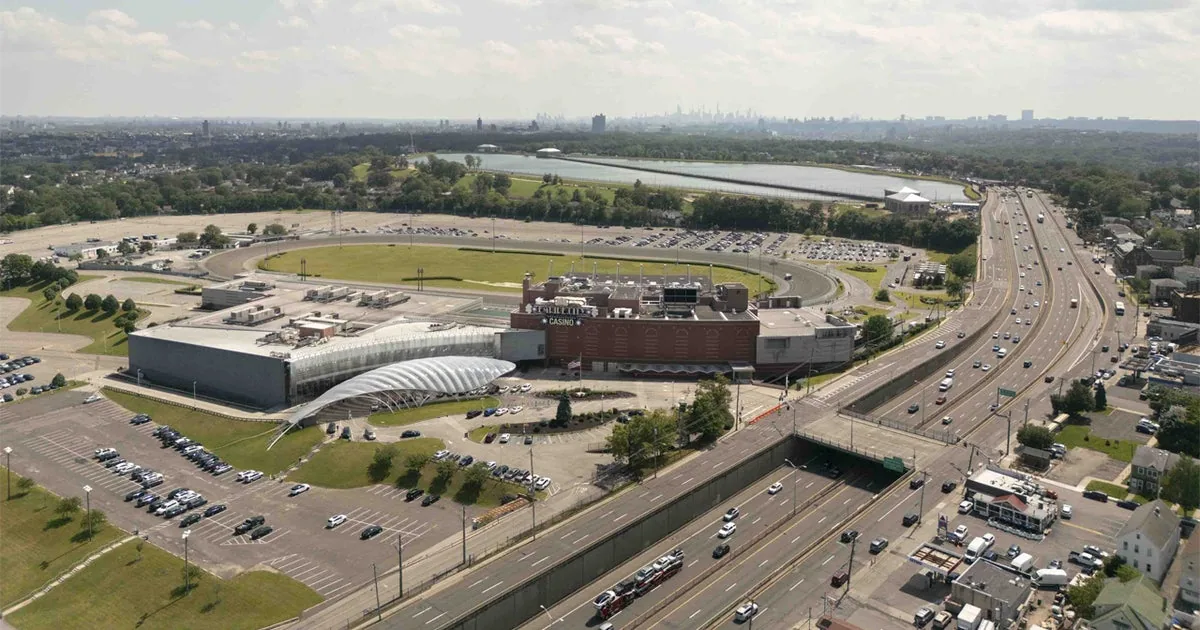
A ridge, blister, or split in a modified-bitumen roof can involve one ply or several layers. We identify the assembly, inspect laps and flashing, and record the boundary before recommending a patch or wider work. In the Nepperhan and Saw Mill valley, Yonkers' comprehensive plan described much of the city's industrial space, while Tuckahoe Road includes commercial and multifamily parcels beside residential uses. That mix makes access and staging worth confirming, and each roof's age and condition are recorded on the walk.
Modified bitumen uses asphalt-based sheets modified with polymers, commonly SBS or APP, and installed as part of a multi-layer assembly. Repair details vary by membrane, surfacing, attachment, and approved method. We check the roof records when available and avoid placing a new patch until the existing material and surface are understood. A useful report shows the roof zone, the visible condition, and the next decision.
Read the Plies Before Cutting the Surface
A surface split may stop at the cap sheet, or it may continue through underlying plies. We inspect the affected area, adjacent laps, blisters, ridges, and previous repairs, then note whether the assembly can be evaluated without opening it. If layers are concealed and their condition would change the work, a test cut can answer a defined question. We record its location and close the opening after inspection.
SBS and APP sheets are not interchangeable labels for one repair method. The installed product, reinforcement, surfacing, and adhesive or torch application determine how the detail should be restored. We check for compatibility and the required preparation before setting a patch boundary. If a proposal needs hot work, the work plan must include the required approvals, fire-safety controls, and conditions at the building.
At parapets, drains, curbs, and equipment bases, the lap and flashing configuration can be more important than the open field. We check membrane turns, counterflashing, edge metal, and termination details, then photograph the connection. The commercial roof inspection can document a larger area where the owner needs a condition map before a repair decision. Each observation stays tied to its location and layer where known.
Track Laps and Flashing Through Every Transition
Water can enter at an open lap, a puncture, a failed flashing, or a transition whose movement has stressed the membrane. We compare the interior report with roof-side evidence and mark what the visit confirms. A blister alone does not prove a leak, and a stain does not locate the entry. If multiple paths remain plausible, we state which opening or moisture survey would narrow the finding before assigning a larger repair.
Four Thruway exits serve the city, from Yonkers Avenue at Exit 2 to Tuckahoe Road at Exit 6. That does not set a crew arrival time; delivery windows, loading limits, and roof access belong to the building's own plan. We coordinate those details with the site contact before material is staged.
Where a lap or flashing has a defined defect, the commercial roof repair scope identifies preparation, material, and tie-in limits. If water follows a drain or scupper, the drainage detail review can help separate a water-control item from membrane damage. We avoid combining those tasks unless the field record supports both.
Set the Work Window for Heat and Freeze-Thaw
Modified-bitumen work depends on a dry substrate, material temperature, and the application requirements of the chosen system. Westchester County Airport normals show 104.7 days a year with a minimum at or below 32 degrees Fahrenheit. Cold stretches that long wear on laps and metal edges. After cold weather, we look again at laps, metal edges, penetrations, and prior patch lines, then compare the evidence with dated photographs.
Annual precipitation at the same station averages 47.75 inches. Rain at that rate makes drainage worth recording, so the roof walk notes the actual drain condition, visible ponding, overflow paths, and low areas. If the surface is wet or unsuitable for the proposed application, we set a weather hold. Temporary protection, the open work boundary, and permanent correction are identified separately in the work order.
A maintenance visit can revisit laps, drains, and transitions after the immediate issue is corrected. The city's 2026 planning study for Central Park Avenue looks at a 2.3-mile stretch that runs from Tuckahoe Road to the northern city boundary, and a roof beside it still gets its parking, staging, and hours confirmed with the building contact. For cold-related findings, a snow and ice roof review can document the exposed details.
Compare a Patch With a Broader Assembly Scope
A localized patch suits a limited area when the surrounding membrane and substrate can support the tie-in. A repeated pattern of open laps, widespread wet insulation, or deteriorated attachment may require a broader investigation. We identify visible limits and state where a test cut or additional review could change quantities. The owner can compare a repair with replacement using consistent assumptions about removal, insulation, drainage, edge height, and penetrations.
Modified bitumen sits within a family of multi-ply assemblies. A built-up roof comparison may be useful when the existing system has several asphaltic layers, while a single-ply EPDM option changes seam and flashing methods. The choice depends on the deck, roof details, access, occupancy, and maintenance plan. We state why an option fits or what evidence is still needed.
The state's 2025 codes have been in effect since December 31, 2025, and project-specific permit questions are handled locally. The owner and design professional confirm the applicable Yonkers requirements for the work and filing date. Where the roof is in the Nepperhan and Saw Mill industrial valley, that broad service area can be referenced through the industrial valley roof review, while access and scope remain property-specific.
Carry Layer and Repair Notes Into the Next Visit
The closeout file should identify the layer repaired, the patch or flashing detail, surface preparation, photographs, and any open condition. If a test cut was made, its location and repair are included. A future service visit can compare the same lap or penetration without treating a patch as proof that surrounding layers are sound.
To review a Yonkers modified-bitumen roof, share available system records, the reported condition, access contact, and roof plan. We will inspect the affected area, document the repair limit, and identify any test or follow-up that could change the next decision. The scope will distinguish visible findings from concealed layers that remain unverified.
Commercial Roofing Questions
Can a blister in modified bitumen be repaired without opening it?
That depends on the membrane, layer condition, and what lies beneath the blister. We document its size and context, then determine whether a surface repair is supported or a test opening is needed.
What is the difference between SBS and APP modified bitumen?
They use different polymer modifiers and system products, which affect installation and detailing. We identify the installed sheet and follow its product requirements rather than selecting a repair by the roof's appearance alone.
When does a lap split call for replacement instead of a patch?
A single accessible defect can have a different scope from repeated open laps or broad moisture findings. We map the pattern and investigate concealed conditions before comparing a localized repair with replacement.
Can hot work be used on every modified-bitumen roof?
No. The approved method depends on the product, substrate, nearby conditions, and required fire-safety controls. We confirm those requirements and the site approvals before scheduling hot work.
What information belongs in the repair record?
Keep the roof zone, layer and detail addressed, material and preparation notes, photographs, test-cut location if used, and any unresolved item. That record makes a later review more precise.