
Service Areas
Commercial Roofing in Eastchester, NY
Service Areas
Commercial Roofing in Eastchester, NY
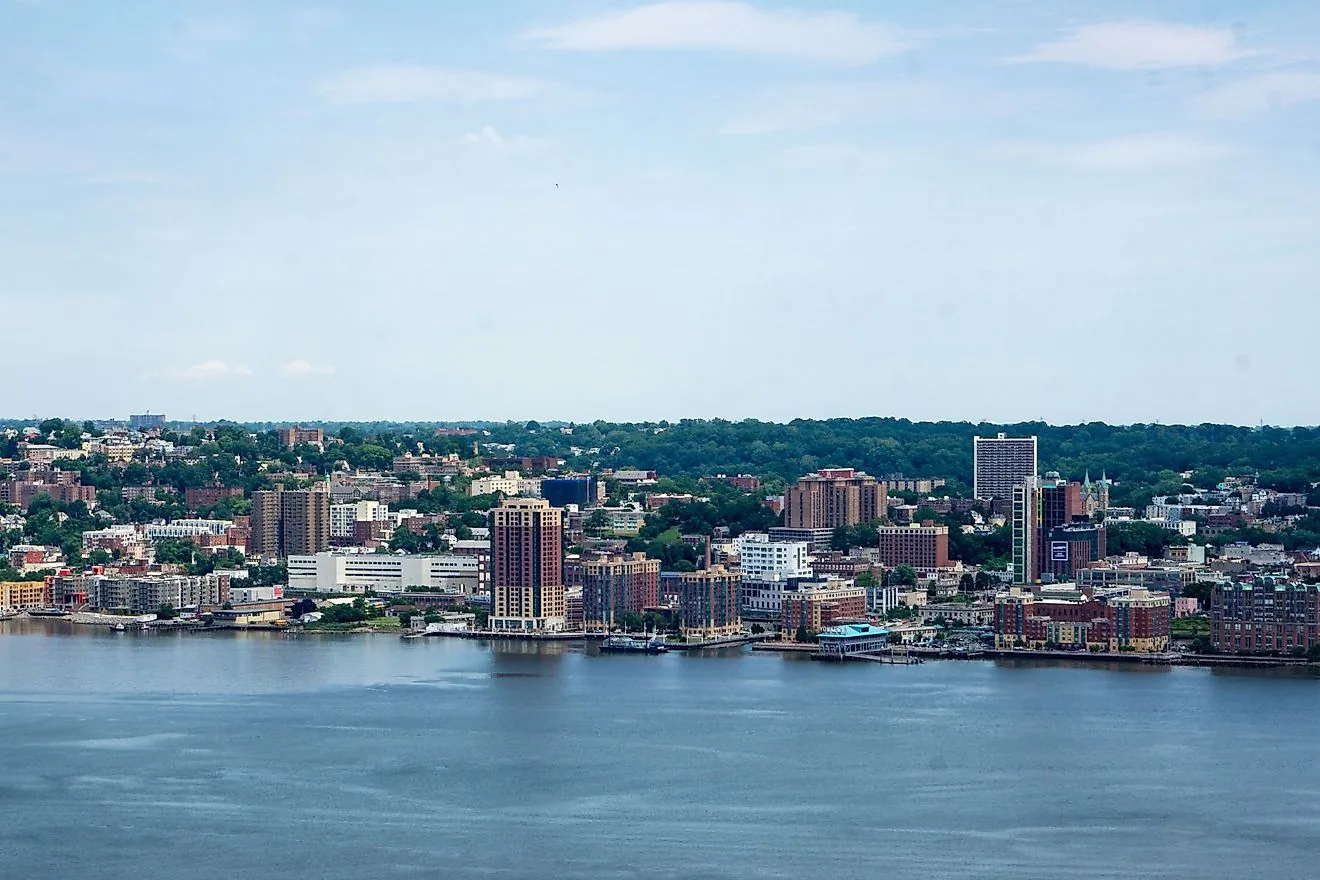
Aerial photographs and thermal images give an owner a wide view of a roof, but a wide view is a starting point for a scope and not the scope itself. Eastchester is a census-designated place about 3.2 miles from the center of Yonkers in a straight line. On the larger or harder-to-reach commercial roofs there, we pair drone photography and infrared moisture surveys with a hands-on walk, so that each flagged area is confirmed or cleared before money is committed.
Choose the Survey Before the Repair
Each survey method answers a different question. A hands-on walk finds seam defects, flashing failures, punctures and drainage problems that are visible on the surface. A drone inspection gives a fast overview of a large or steep-edged roof and lets us photograph areas that are unsafe or slow to reach on foot. An infrared moisture survey looks for temperature patterns that may indicate wet insulation beneath the membrane. None of the three replaces the others, and the right combination depends on the roof, its age and the decision the owner faces.
If the question is where a ceiling leak enters, the walk comes first. If the question is how much of a roof is wet before a replacement decision, infrared is the useful tool. If the question is what a large flat roof looks like before bidding, a drone pass sets a baseline. We ask the owner which decision is pending and recommend the survey that serves it.
What the Aerial Photographs Give You
Drone images are taken in an organized pattern so that every part of the roof appears in at least one frame. Close passes along the edges show coping joints, gutters and fascia, and oblique views show how water is likely to move toward drains. Photos are labeled by roof area and tied to a simple roof plan, so a viewer can find the location of each finding. Standing water, blistering, ridged seams, debris and displaced equipment covers often show clearly from above.
An image can mislead as easily as it can inform. Shadows hide cracks, glare hides ponding, and staining on a surface does not tell us whether water has reached the layers below. We treat each flagged area as a candidate for confirmation, and the record states whether it was confirmed by touch, by probe or by core. That distinction lets a reviewer see which findings are firm and which are still leads.
Setting Up an Infrared Scan
Wet insulation holds heat differently from dry, and an infrared camera can show that difference as the roof cools after sunset. The scan depends on conditions: a dry roof surface, a day with enough sun to load the roof with heat, clear skies and light wind. Rain, fresh snow, ponding and heavy cloud can distort the picture. We choose the day and the hour with those limits in mind, and we mark the roof with a grid so the thermal map can be tied to physical locations.
Scan results are patterns, not measurements of moisture content. A warm area at dusk may be wet insulation, or it may be a thicker section of insulation, a patch, a change in surface color or a mechanical heat source below. The suspect areas are marked on the roof with paint or tape, then checked with a moisture meter or a core cut where the owner agrees. Each confirmed area goes into the scope with its boundary.
Confirm With Cores and Probes
A core sample is a small cut through the roof to the deck, and it shows layers, thickness, moisture and attachment. It also reveals the age pattern of the roof, such as an older built-up roofing layer beneath a newer single-ply. Each cut is patched and sealed the same day. Probes and moisture meters help narrow the places to cut so the number of cores stays small. We record core locations on the plan and keep the samples long enough for the owner to review them.
If the cores show dry insulation under a flagged area, the thermal anomaly is cleared and the repair stays local. If they show wet material, the scope grows to include removal and replacement of the wet layer. The decision between a local repair, a partial reroof and a full replacement then rests on measured conditions instead of a surface impression.
From Survey to Scope
The survey package becomes a scope with three parts: confirmed work, items to monitor and questions that remain. Confirmed work is priced. Monitor items get a re-inspection date. Open questions name what would settle them, such as a core in a specific area or a check after the next heavy rain. Fully in force since December 31, 2025, the state's new construction and energy codes leave the permit path to local authorities, who decide the permit path, so the scope lists the approvals we expect before material is ordered. A commercial roof repair or a larger replacement then follows from the record.
A survey can double as a budget tool. Each ranked item carries the evidence behind it and the likely size of the area affected, which lets a manager see how a repair today avoids a larger replacement later. We keep the thermal images, the photographs and the core results together in one folder tied to the roof plan, so a lender, an insurer or the next contractor can read the same record without a walk-through. When the survey is finished, the thermal images, photographs, and core results are filed under the roof plan grid so the next team can find each finding by location.
Timing Around Freezing and Heat
At Westchester County Airport, north-east of Yonkers, the normals count 9.7 days at or above 90 degrees, 104.7 days at or below 32 and 47.75 inches of precipitation over a year. A thermal scan in winter faces snow, frozen ponds on the roof and cold-soaked insulation that hides patterns, so survey work is usually planned for dry spring and fall conditions. Repairs follow the same window, since adhesives and sealants do best on a dry surface. Emergency closures happen at any hour, with permanent correction scheduled for the next suitable stretch.
Neighbors such as Bronxville and Pelham sit close by, and the Thruway and state routes between them make it practical to combine survey visits when an owner has more than one roof.
Commercial Roofing Questions
Which survey is right for a roof I may replace?
Infrared is the one that maps wet insulation, and it is paired with cores to confirm. Together they set the boundary of what has to come off, which drives the replacement cost.
Can a drone replace walking the roof?
For a first overview of a large or hard-to-reach roof, it is a strong tool. Seams, flashing and sealant still need hands-on checks, so we pair the two.
Why do you need dry weather for a scan?
Surface water, rain and snow distort temperature patterns and can hide or mimic wet insulation. We choose a clear, dry day with a warm afternoon followed by a cooling evening.
Does coring damage the roof?
Each core is a small cut and is patched and sealed the same day with compatible materials. We keep the number small by using meter readings and thermal marks to choose the locations.
What do I receive after a survey?
A roof plan with the grid, labeled photographs, thermal images tied to locations, core results and a ranked list of recommended work, each item with its confirming evidence.