
Service Areas
Commercial Roofing in Larchmont, NY
Service Areas
Commercial Roofing in Larchmont, NY
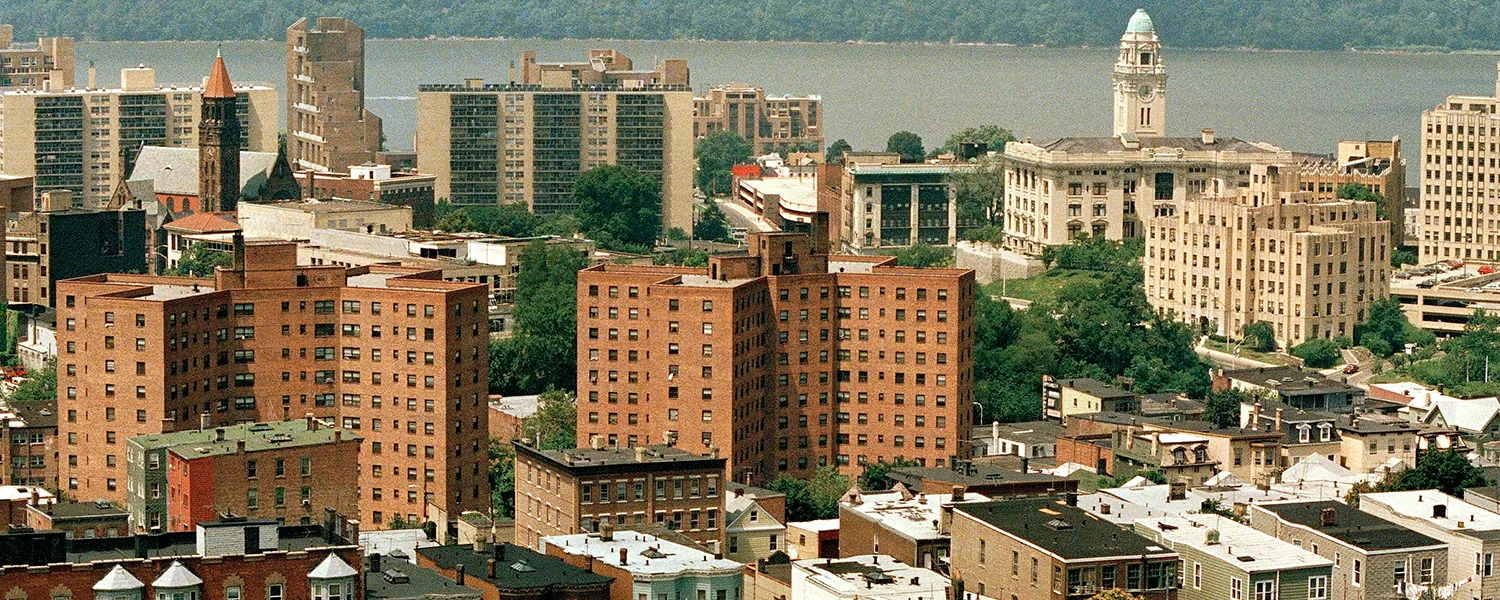
The question behind most commercial roof work in Larchmont, NY is whether to coat, recover or replace, and the answer depends on what is under the membrane. A roof can look worn and still be dry underneath, or look serviceable and hold saturated insulation. We settle that with evidence before anyone quotes a scope: core samples, a moisture scan, probed seams and a photo sequence of the surface. Larchmont is about 6.2 miles from Yonkers in a straight line, near enough that we can return for follow-up cores or a second moisture reading without turning a small question into a long project.
What the evidence shows
The first visit sorts conditions into three groups. Surface wear includes chalking, faded coating, granule loss and small open laps. Assembly problems include wet insulation, a damaged deck and a membrane that has lost adhesion. Detail failures include flashings, curbs, drains and edge metal. Each group points to a different remedy and cost.
We record each condition with a photo, a location and a date. We do not infer the lower layers from the surface. A moisture scan flags suspect areas, and cores confirm them, because a scan reads temperature patterns and a core shows the actual material. Where the two disagree, the report states both and names the next test.
Age and history belong in the record too. We ask for the installation date if the owner knows it, any warranty paperwork, prior repair invoices and the dates of past leaks. A roof with three patches in one corner has told us something before we arrive. The history narrows where to take cores and which seams to probe, so the test count stays low and the findings stay specific.
When a coating fits
A roof coating can extend the life of a sound membrane. It suits a roof that is dry beneath, has seams that hold and has no widespread ponding. The coating seals small gaps, reflects sun and adds a wear layer. It is applied in dry weather above a minimum temperature, so the schedule is tied to the season.
Coatings do not cure wet insulation, bridge failed seams or repair a damaged deck. If the cores show moisture, the report rules the coating out and says why. The cost advantage of a coating comes from skipping tear-off and disposal, which is real money on a roof of any size, but it holds only when the substrate is sound.
Surface preparation drives coating performance more than the product does. The roof is cleaned, loose material is removed, seams and flashings are repaired and a primer goes on where the manufacturer's data requires it. We photograph each step before the coating covers it. A coating applied over dirt or an unrepaired seam fails early, and the photos show whether that was the cause.
When a recover fits
A recover adds a new membrane over the existing assembly. It makes sense when the insulation is dry, the deck is sound and the existing layers can carry the new one. Weight, fastener pull-out strength and fire rating all enter the decision, and the local code path decides whether a second layer is allowed.
A recover saves the cost of removing and hauling the old roof and shortens the time the building is open to weather. It also leaves the old system in place, so any hidden defect stays. For that reason we list the conditions that would turn a recover into a replacement, such as wet board found after the first section is opened, and the owner approves those thresholds in advance.
Fasteners and adhesives matter here as well. A recover over a mechanically attached system needs fasteners that reach the deck through both layers, and a pull test confirms the deck can hold them. The result goes into the closeout file with the fastener pattern, because it affects wind uplift ratings and the warranty terms the new membrane can carry.
When replacement is the answer
Replacement removes the old layers to the deck and installs a new insulation and membrane assembly. It is the correct scope when moisture is widespread, the deck is damaged, a recover is not permitted or the roof has reached the end of its service life. A commercial roof replacement is the largest of the three scopes and carries the most cost drivers: area, tear-off depth, disposal, insulation thickness, crane access, tenant protection and weather holds.
The 2025 Energy Conservation Construction Code, in full effect since December 31, 2025, can raise the insulation requirement on a replacement. Local authorities confirm what applies to the permit, and we flag the question in the written scope.
Timing and weather windows
At Westchester County Airport, the year averages 52.0°F, with freezing lows on about 104.7 days and highs of 90°F or more on 9.7 days. Both ends of that range limit roofing work. Cold weather slows adhesives and coatings; heat softens membranes and shortens working time.
We plan the work for the shoulder seasons when the building allows it, and we hold a weather decision at the start of each shift. If rain or a hard freeze is forecast, the open area is sealed and the crew stands down. The access window, the tenant impact and the weather decision all go into the daily log.
Occupied buildings add a second clock. A tenant who runs a quiet office needs different hours than one who runs a loud shop, and a delivery schedule can close a side of the roof for a morning. We list those limits in the scope and build the crew plan inside them, with the tenant contact named for each day.
Records to retain
The option report carries the cores with photos, the moisture map, the seam probe notes, the history the owner supplied and the cost drivers for each scope. After the work it carries the product data, the fastener pattern, the weather log and every documented change. Keep the file with the warranty papers.
When the next owner, lender or insurer asks about the roof, this file answers in an hour what would otherwise take weeks. It also gives the owner a baseline for the next review, so wear can be measured against a known starting point. A preventive maintenance plan keeps those entries current between projects, with a visit after each hard freeze and each major storm.
Next decision
The report ends with the options side by side: scope, expected condition after the work, cost drivers and weather needs. The owner picks the one that fits the budget and the building's plans. Owners nearby in Mount Vernon, New Rochelle and Rye get the same comparison. A moisture survey sits at the front of each.
Commercial Roofing Questions
How do you know if a coating is possible?
By cores and a moisture scan. A dry assembly with holding seams can take a coating. A wet one cannot.
What can stop a recover?
Wet insulation, a weak deck, too many existing layers or a code ruling that bars a second layer.
What drives the cost of a replacement?
Roof area, tear-off depth, insulation thickness, disposal, crane access, tenant protection and weather holds.
Why are cores needed with a moisture scan?
A scan reads temperature patterns. A core shows the material itself. Together they support a firm scope.
How far is Larchmont from Yonkers?
About 6.2 miles in a straight line. We confirm travel time and the access window before the visit.