
Roof Damage Repair
Failed Flashing Repair in Yonkers, NY
Roof Damage Repair
Failed Flashing Repair in Yonkers, NY
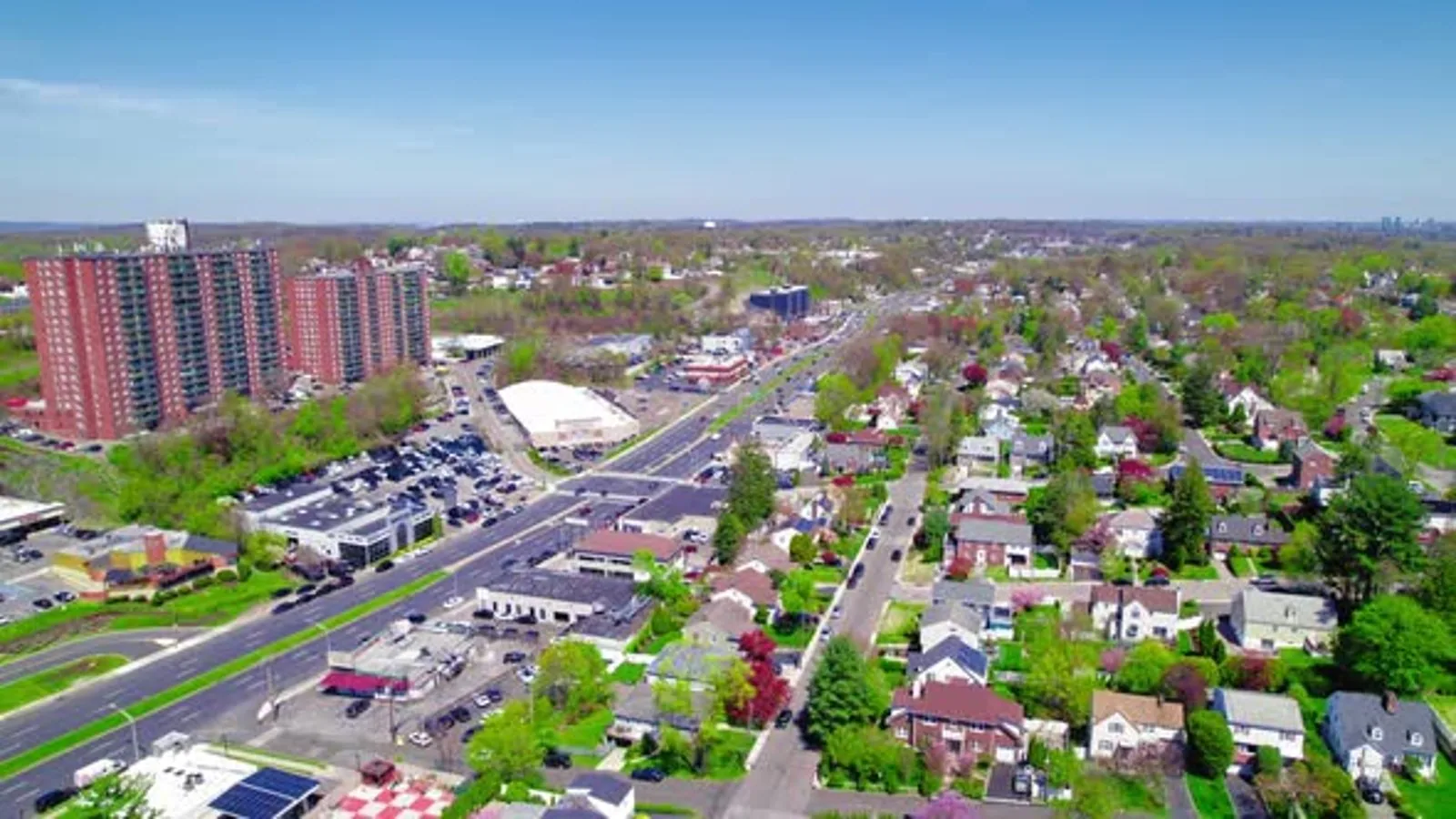
A termination that has opened by a quarter inch is a smaller observation than a ceiling stain, and it is usually the better lead. Flashing is where the roof surface turns up a wall, around a curb or over a pipe, and each turn is a joint between two materials that move at different rates. In Yonkers, NY, the regional record counts well over 100 freezing days a year, so those joints open and close through a long cold season. We record the failed detail first, then the cause we suspect, and keep the two entries apart.
The first record is a photo sequence from the nearest interior stain outward, ending at the flashing that lines up with it. The match is stated as a probability until a test or a closed repair confirms it.
Details Under Review
We review every flashing on the roof, not only the one near the report. Wall terminations are checked for height, termination bar condition, sealant and fastener spacing. Curb flashings are checked at the corners, where the sheet is folded or cut. Pipe boots are checked for split rubber, loose clamps and failed sealant. Parapets are checked for open coping joints.
Each detail gets an entry: location, photograph, material, condition and a one-line note on movement. Movement matters because a rigid sealant bead on a moving joint fails whatever its age.
Penetrations added after the roof was built get extra scrutiny. Conduit, antennas, gas lines and sensors are installed by other trades, and not every one is flashed. A skylight and penetration flashing review lists every opening and whether it has a boot, a curb or sealant only.
Failure Patterns
Failures group by cause. Movement cracks sealant and peels membrane that was glued to a wall without a termination bar. Drainage faults put standing water against a wall base and load the flashing continuously. Heat and sun harden rubber boots and sealant. Freeze-thaw works water into small openings and widens them. A wrong material, such as asphalt mastic on a single-ply sheet, can degrade the sheet itself.
Equipment adds vibration. A unit that shakes loosens curb fasteners over time, and the flashing at the curb takes the movement. The record notes which curbs move under touch.
We state what the evidence supports and no more. A cracked boot supports the statement that the boot is cracked. It does not prove that the boot caused the leak. A test, a closed repair and a dry result after the next rain do.
Interior marks are matched to roof details only after the roof is walked. Staining at an exterior wall, rust on a deck underside beneath a curb or damp insulation around a pipe each point toward a detail, but none of them names the exact opening. We list the interior mark, the nearest suspect details and the test that would separate them, such as a controlled water test with the area below protected.
Access and Tenant Impact
Flashing repairs open the roof at its most vulnerable line, so the plan has to protect what is below. Before cutting, we confirm the interior area, protect equipment and agree on how far the work zone extends. Where the building is occupied, the plan includes the tenant notice, the escort and the hours.
Central Park Avenue is a long shopping and business corridor, and On South Broadway, between Park Hill Avenue and Caryl Avenue, businesses and homes share the street. Commercial roofs in those settings sit beside occupied neighborhood uses, so staging, noise and street access are recorded before the crew arrives.
Temporary protection is its own entry. Sealed covers, tape-down membrane and temporary counterflashing hold until the permanent detail is ready, and each is logged with a time and an area.
If a detail sits above a sensitive area, such as a records room or a medical suite, the sequence changes. Protection goes up first, the work is done in a short window the occupant approves, and the cleanup is confirmed with a walk-through. The entry lists who approved it and when.
Re-seal, Rebuild or Replace
Three scopes apply. A re-seal suits flashing that is intact and has only lost its sealant: clean, remove the old bead, prime and apply a compatible product. A rebuild replaces the flashing and its attachment: cut out the failed material, install new base flashing at the proper height, add a termination bar or counterflashing and seal the top. A termination replacement is needed when the wall has deteriorated, the height falls below the minimum or the surrounding sheet is too aged to bond.
The repair boundary must land on sound material. We test the sheet beyond the visible failure, and the boundary moves outward until the test passes. Parapets often need their edge metal and coping replaced in the same visit, since new flashing under a failed coping fails again.
Where wind opened a detail that was previously sound, the work is a flashing repair with a wind damage entry beside it. The current state codes may bear on the height and attachment of a rebuilt termination, and the city permit route is flagged for confirmation.
The written scope lists cost drivers for each option: linear feet of termination, number of corners and penetrations, wall material and condition, height of lift or scaffold, tenant protection below and any permit review. A re-seal costs little and lasts less. A rebuild costs more and lasts with the roof. An owner can compare them on the same page.
Cold-Weather Limits
Cold-weather work is limited by sealant minimums and by the need for clean, dry sheet. The cold season limits permanent flashing work. When the forecast does not allow it, we install a temporary detail built to last through the cold spell, document it and return when conditions improve.
Sequence matters on roofs with many flashings. We work from the high side to the low side so that water running during the job does not enter a new opening. A detail opened in the morning is closed by evening, or covered and logged.
The closeout for each day lists open items by location. Nothing is left as an unrecorded gap.
Records to Keep
The flashing map is the core record: each detail located on the roof diagram with before and after photographs, the material used, the termination height and the fastener spacing. The next facility manager can then see what was done and where.
A follow-up after the first heavy rain confirms the repair. Owners with multiple roofs can add flashing checks to a preventive maintenance route, and properties in Eastchester or Pelham follow the same mapping method. Nearby seam problems are logged as seam failure entries, with their own tests.
Next Decision
The record ends with one question: is this the only failed detail, or the first of several? The answer decides whether the roof needs a point repair, a perimeter program or a larger project.
Commercial Roofing Questions
Can caulk fix a flashing leak?
Only as a short-term measure. If the flashing has lifted, cracked or split, a rebuilt detail is the durable repair.
Why did a patched corner leak again?
The patch usually treated the symptom. A corner under movement needs a formed piece or reinforcement.
How high should wall flashing run?
High enough that water cannot get behind the top edge. Codes and manufacturer details set the minimum, and we measure what is there.
Does a rooftop unit have to be lifted?
Sometimes, if the flashing runs behind the unit. We coordinate shutdown time with the mechanical contractor.
What if rain comes mid-repair?
The opening is covered and the permanent work waits. No detail is left open overnight.