
Roof Damage Repair
Split and Open Seam Repair in Yonkers, NY
Roof Damage Repair
Split and Open Seam Repair in Yonkers, NY
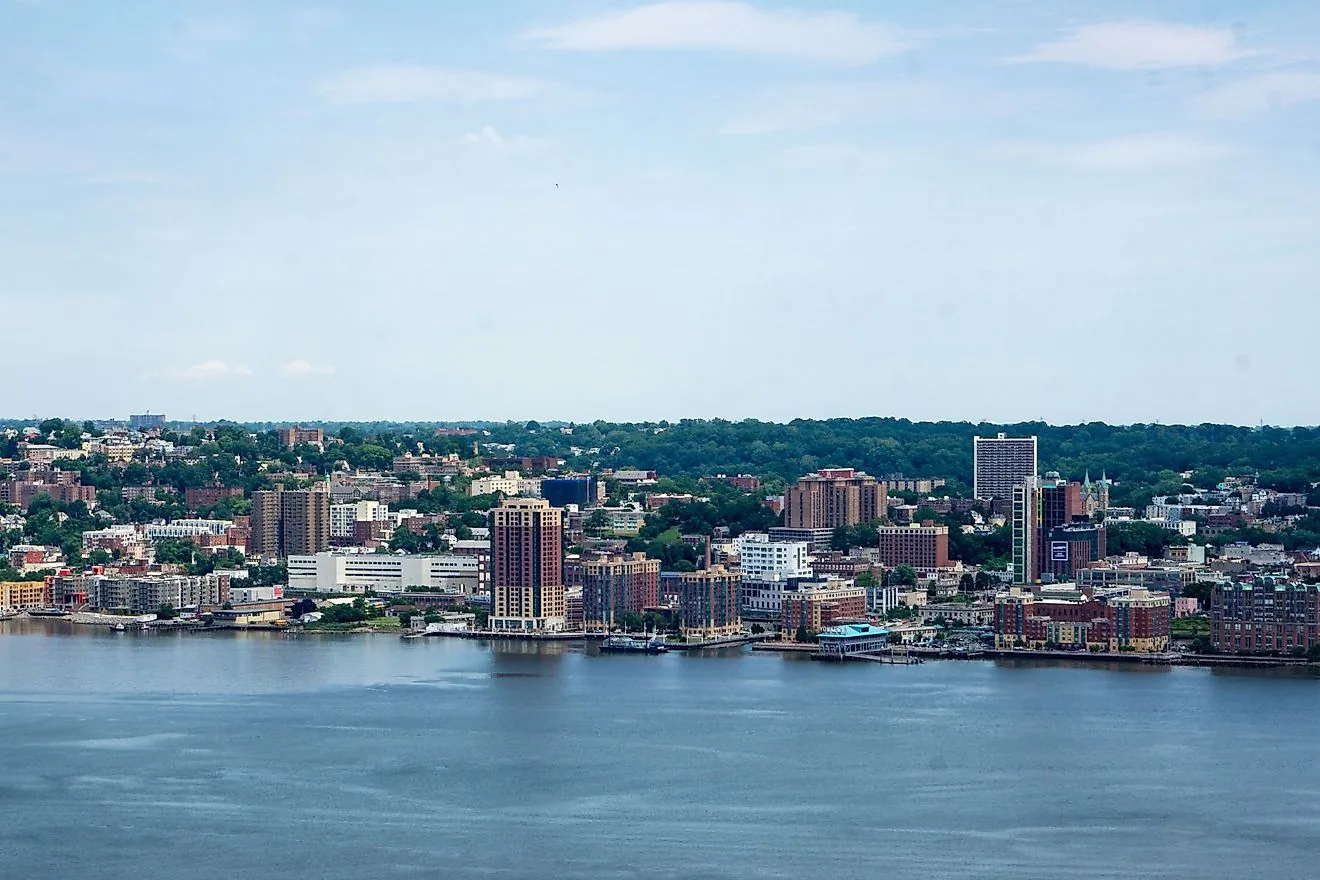
One open seam and a line of open seams are different findings, and the repair that suits one will not suit the other. A single void might be a dirty weld. A run along one rail might be fasteners backing out under the lap. In Yonkers, NY, where the nearest long-term normals show about 105 days a year at or below freezing, a lap that opens in January and closes in April is also telling us something about movement. We start by probing every lap and recording what the probe finds before drawing any conclusion about cause.
The probe result, the photograph and the location go on the roof diagram. The cause stays a suspicion until a test supports it.
Probe Results
A blunt probe along every lap tells us whether the weld or bond has fused. A good weld resists. An open one lets the tip slide in. Each failure is logged with its distance from a fixed point and photographed with a scale object.
The pattern is recorded next. Scattered voids point to workmanship. Open seams along one line point to a mechanical cause. Open seams that cluster near equipment point to traffic or vibration. Open seams at changes in plane point to thermal movement. We write down the pattern without assigning blame.
Junctions get separate entries. Where a seam crosses a flashing, meets a drain sump or ends at a wall, three layers overlap and the weld is hardest to make. T-joints that were never covered are a frequent finding.
Fasteners are part of the probe record. In a mechanically fastened system each seam sits over a row of plates, and a plate that backs out lifts the sheet from beneath. We press along the row, note plates that move and mark them. A perfect weld over a loose plate opens at the next gust, so the fastener entry comes before the weld entry.
Raking light helps. Wrinkles running along a lap often mean a bond that let go under tension, and shadows show them when the sun is low. We photograph the lap from an angle as well as from above, and add both views to the record.
Seam Types and What They Allow
Each membrane has its own seam. Thermoplastic sheets such as TPO are heat-welded. Rubber sheets use tape or adhesive. Modified bitumen laps are heated or adhered. Built-up felts overlap and open at laps. The seam type decides the repair.
A thermoplastic seam is cleaned and rewelded, with a cover strip when the lap is narrow. A rubber seam is cleaned, primed and re-taped, or a splice cover is applied. A bitumen lap is reheated and pressed or patched with compatible sheet. A method taken from the wrong membrane produces a repair that looks fine and fails in its first season.
Age limits the options. A hardened sheet may not weld cleanly because it has lost the plasticizers that let it flow. We test a small weld first and record the result. If it fails, the repair moves to a cover strip or a section replacement, and the record says why.
The seam type also sets the cleaning step. Thermoplastic laps need the weld zone free of dirt and moisture, rubber laps need primer applied to a clean surface, and bituminous laps need dry, dust-free plies. Skipping the cleaning step is the most common reason a repair fails, so the cleaning method is written into the work order.
Access and Interior Impact
Open seams let water into the insulation, and the water can travel before it appears. The interior mark may sit well away from the opening. We record the room, the time and the weather, then trace the path only with safe roof access and an agreed escort. A leak trace connects the interior mark to the seam, and a moisture scan covers the area between them.
Yonkers roofs often sit above occupied floors, and the city's planning documents describe business corridors beside residential areas, including South Broadway between Park Hill Avenue and Caryl Avenue. Noise and hoisting there affect neighbors as well as tenants, so the plan names the access window and the staging area.
Temporary protection comes first when water is active. Tape-down patches and cover strips are logged separately from the permanent weld, with the time they went.
Reweld, Cover Strip or Replace the Section
The scope depends on seam condition and membrane age. A clean lap with a small void can be rewelded or re-bonded. A wider failure needs a cover strip welded over the seam on both sides. A badly aged sheet may accept neither, and the section is cut out and replaced.
Every repair is tested. Welded seams are probed and checked visually, and a vacuum or pressure test is used where practical. A failed test is redone. The result goes on the seam map.
When open seams are widespread, patching becomes costly and the roof is describing a larger problem. We compare repeated repair with a recover or replacement and set the cost drivers side by side: area, access, insulation condition, tenant impact and permit path. The owner picks with the numbers in view.
Cost drivers appear in the scope: linear feet of lap, number of junctions, fastener resets, roof age, access, tenant protection and any moisture removal. A cover strip over a long run costs more than a spot reweld, and a section replacement costs more than either. Each option is priced against its expected remaining life so the owner sees what the money buys.
Weather and Work Window
Welding needs dry sheet and moderate temperatures. Cold slows adhesive cure, and a wet lap will not fuse. The airport normals average 47.75 inches of precipitation a year, so dry windows have to be watched and used. Heat is the other end, since a hot membrane is soft and hard to weld cleanly.
Standing water keeps seams under load, so ponding is corrected alongside the weld. Traffic abrades laps near equipment, so walk pads are added where the diagram shows wear.
If conditions do not allow a permanent weld, a cover strip goes on, the entry is logged and the return visit is scheduled.
Records to Keep
The closeout file contains the seam map with each repair located, the method, the date and the test result, plus before and after photographs. A return look after the first heavy rain confirms the roof is dry.
Maintenance visits include a short probe of the most stressed laps. Owners with several roofs can build that into a multi-site roof program, and buildings in New Rochelle or White Plains can use the same map format. Where a seam failure sits beside a failed termination, the flashing is logged and repaired in the same visit.
Next Decision
The record ends with an open-items list. It names seams that passed, seams being watched and seams scheduled for a return visit, with dates. The owner's next decision is usually one of three: close the file, keep the watch list or move the roof into a larger scope.
That choice rests on the evidence in the file. A roof with a few repaired seams and a dry core can stay on a maintenance cycle. A roof with open seams in several zones and wet insulation belongs on a capital list.
Commercial Roofing Questions
Can an open seam be seen from the ground?
Usually not. Interior stains hint at it. A probe inspection on the roof is the reliable check.
Why do repaired seams open again?
The cause was often left in place. Movement, ponding, traffic or a dirty weld reopens a lap.
Can old membrane still be welded?
Sometimes. A test weld shows whether it fuses. If not, a cover strip or section replacement follows.
Are repaired seams tested?
Yes. They are probed and checked, and vacuum or pressure tests are used where practical.
When does replacement make sense?
When failures are widespread, the sheet will not fuse or the insulation is wet.