
Property Types We Roof
Grocery Store Roofing in Yonkers, NY
Property Types We Roof
Grocery Store Roofing in Yonkers, NY
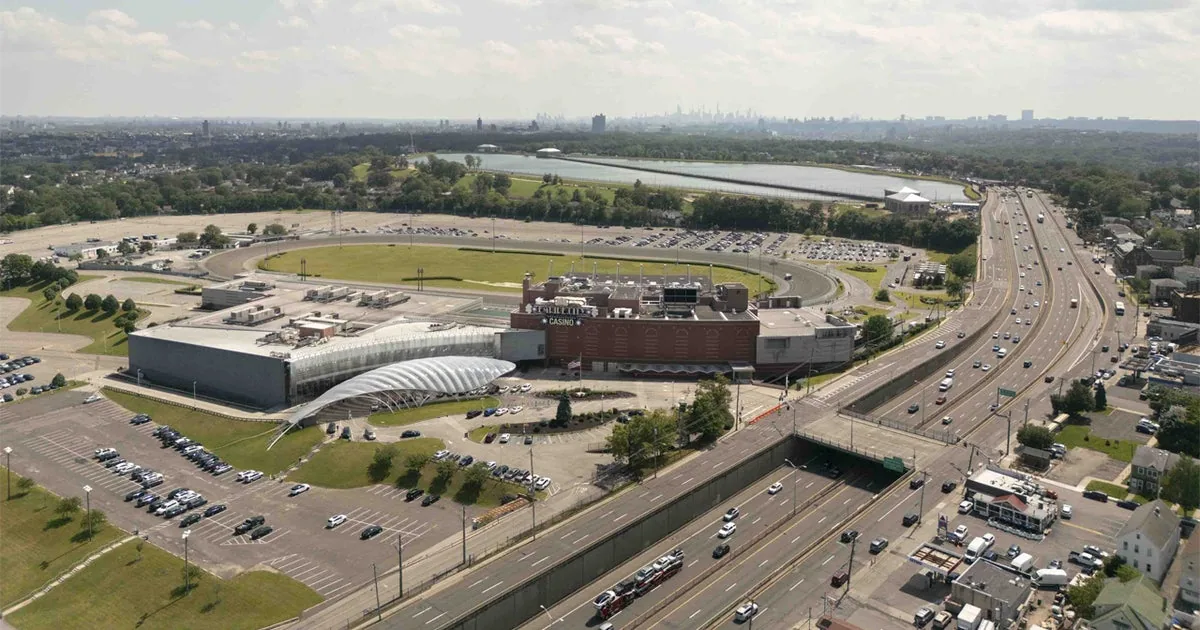
Refrigeration equipment on a supermarket roof is the first thing to count, because it decides where water can enter and what a leak can spoil. Commercial Roofing Yonkers inspects and repairs grocery store roofs in Yonkers, NY, and the walk begins at the condensers, vent stacks, and exhaust fans rather than at the open field. Each unit is a flashed penetration with its own history, its own drainage, and its own tenant of stock below. From there we trace the roof assembly outward: membrane, seams, insulation, drains, and edge metal, writing each finding into a condition record that a store operator or a regional facilities manager can act.
Start with the refrigeration load
Condensers, compressor racks, and rooftop air handling add weight, vibration, and condensate to the roof. Pipe supports that shift, rails that rest on the membrane without pads, and condensate lines that drain onto the surface are common causes of wear. We inventory each piece of equipment, check the support method and the flashing beneath it, and mark where foot traffic has worn the surface along service routes. If a unit is scheduled for replacement, the best time to deal with the curb is before the new unit is set.
The consequences of a leak here are specific. Water that finds a path into a refrigerated case, a freezer door, or an electrical panel can force a shutdown and a stock loss. We locate those areas on the plan before any repair begins, so the work order says where a leak is an inconvenience and where it is an emergency. Resetting a condenser on a rebuilt curb is the moment to fix rooftop equipment curbs and supports properly, with the refrigeration contractor and the roofer on the same schedule.
Keep food and work apart
A roofing crew above a food store must not send dust, odor, or debris into the building. Intake openings are located and protected before work starts, and adhesives or coatings with strong odors are scheduled or chosen with air handling in mind. Hot work is limited, and where it cannot be avoided, a fire watch and a permit are part of the plan. Material is staged away from the receiving area, and the crew keeps walkways clear so deliveries are not blocked.
Some work moves to the roof's low-activity hours. We coordinate with the store manager on the morning delivery rush, overnight stocking crews, and any window when a section of the sales floor is closed for resets. Interior protection stays neat and photographed, so the store can show how the sales floor was kept clean.
Watch moisture from below
Grocery interiors are humid in places, and cold and warm air sit close to one another. In winter, warm moist air that leaks into a roof assembly can condense against a cold surface and wet the insulation from inside. The result looks like a roof leak, but no hole in the membrane explains it. Regional weather normals from Westchester County Airport, northeast of Yonkers, log freezing lows on about 105 days a year, so condensation in the cold season is a real question for a store with humid zones.
An infrared moisture survey maps where the insulation is wet, and a few core samples show whether the water came from outside or from the building. That answer determines whether the fix is a roof repair, an air-sealing job, or a ventilation adjustment, and it prevents paying for the wrong one.
Drains that carry more than rain
Supermarket roofs collect grease mist from kitchen exhaust, bakery or deli vents, and condensate from cooling equipment. Those liquids can run toward drains, soften some membranes, and leave films that make the surface slick. We check the surface around exhaust fans for staining and blistering, clear the drains, and recommend containment where grease is landing on the membrane. If the existing system is vulnerable, a membrane chosen for chemical resistance, such as PVC roofing, may be the better option at replacement.
Heat plays a smaller but real role. The same normals count fewer than ten days a year at 90°F or hotter, and a dark membrane next to a condenser can run much hotter than the air. Reflective surfaces and shaded walk pads are options when an existing roof shows early surface wear around equipment.
Parapet walls and scuppers need the same attention. Water leaving through a scupper onto a loading apron can freeze there in winter, and an overflow scupper set too high gives the roof little relief if the main drains clog. We check the elevations, the strainers, and the downspout connections, and we photograph each so any later change can be compared.
Work around a store that never closes
Many grocery stores trade long hours, and deliveries start before the doors open. Roof work runs in zones. One zone is opened, replaced or repaired, and made dry before the next zone starts, and the crew leaves the roof weather-tight each evening. Daily briefings with the store manager flag the day's activities, noise, and any interruption to rooftop equipment, so that no cooler or air handler is shut off without notice.
For leaks during off-hours, our emergency roof repair response is available around the clock, and the first visit is about stopping water near the cases and the electrical rooms. Permanent work follows when conditions allow it to be done properly.
The closeout file for a store lists each rooftop unit with its curb condition, the membrane type, photographs of every zone, and open items. A chain operator can set that file beside others and decide where capital goes first. A commercial roof inspection repeated at a set interval keeps the file current, and it gives the store a basis for questions to an insurer after a storm.
Corridors where groceries sit
Grocery stores tend to sit on busy commercial streets next to neighborhoods. South Broadway, a stretch that the city's 2026 planning effort treats as part business and part residential between Park Hill and Caryl Avenues, and Central Park Avenue, a shopping and business corridor of about 2.3 miles, are examples of the settings where truck and pedestrian routes overlap. The Thruway's Exit 4 at Cross County Parkway and Mile Square Road is another regional route that feeds the city street grid. Crane picks and material deliveries are timed to avoid shopper and school-run traffic. A property on the South Broadway corridor has a different access picture than one on Central Park Avenue, and the plan reflects it. Strip centers hosting a market follow related logic, as in shopping center roofing, and larger stores resemble big-box retail.
Commercial Roofing Questions
How is a leak near a freezer case handled differently?
The case location is marked on the plan, so the first visit protects it. Temporary covers go up, power-sensitive areas are isolated with the store's staff, and the permanent repair follows a separate entry.
Why would insulation be wet if the membrane has no hole?
Warm moist air from inside can condense in the assembly during cold weather. Core samples and a moisture scan show whether water came from above or from below, which decides the fix.
Can odors from roofing products reach the sales floor?
They can if intakes are not protected. We locate air intakes first and choose or schedule products with that in mind, and we coordinate any off-hours work with the store manager.
What happens to a rooftop condenser when the roof is replaced?
It is disconnected and reset by the refrigeration contractor on a planned schedule. We coordinate the dates so the curb, flashing, and membrane work is done with the unit lifted, and the system is restarted promptly.
Does grease damage a grocery roof?
It can, particularly where exhaust fans discharge on the membrane. Staining and softened membrane are signs. Containment and regular cleaning reduce wear, and some systems resist grease better than others.
Request a roof assessment or view all property types we roof.