
Property Types We Roof
Shopping Center Roofing in Yonkers, NY
Property Types We Roof
Shopping Center Roofing in Yonkers, NY
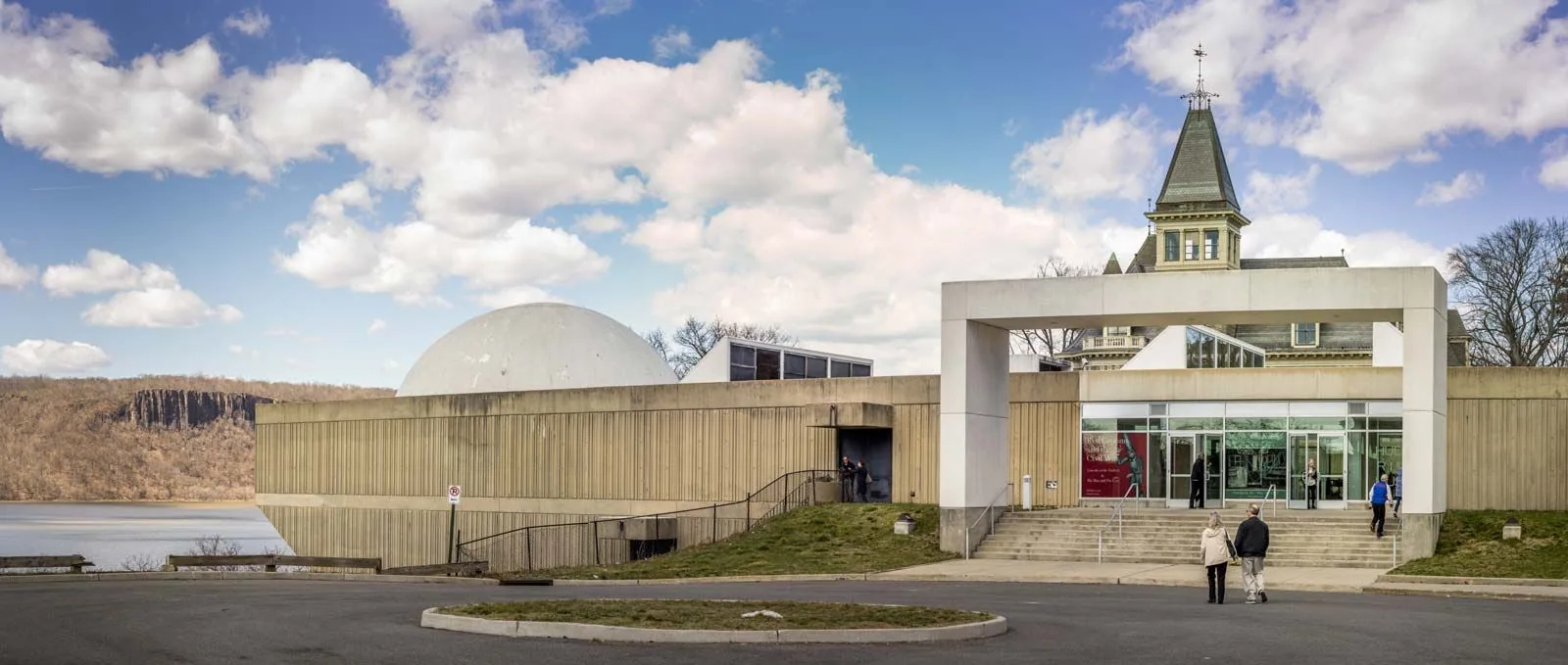
Shared property needs a shared record, and a strip center is about as shared as a roof gets. One continuous membrane can cover a dry cleaner, a nail salon, a pizzeria, and a vacant unit, and a stain in the salon may start above the pizzeria. Commercial Roofing Yonkers works on retail centers across Yonkers, NY, and the first task is to map the roof to the leases: which suite sits under which area, which tenant owns which rooftop unit, and which leak reports have already been filed. With that map in hand, a condition summary stops being an argument between neighbors and becomes a repair plan the owner or property manager can act.
Map the roof to the tenants
Retail roofs are usually large and low, with parapets or firewalls dividing the space below into units that the membrane does not respect. Water that enters at one point can travel along the deck, the insulation, or a steel joist before it drips in a different suite. We trace reported leaks on a plan, photograph each wet ceiling tile with its date, and walk the roof directly above and upslope of every report. The goal is a repair boundary: the smallest area that can be fixed with confidence, with the evidence behind its edges.
When the evidence is thin, an infrared moisture survey can show where insulation is holding water, so the owner does not pay to patch a clean seam while the actual source sits twenty feet away.
Drainage on a long retail roof deserves its own walk. A center with a flat membrane and interior drains depends on a few openings to clear a large catchment, so a blocked strainer at one drain can load the roof near a tenant wall within one heavy rain. We check strainers, sumps, overflow scuppers, and the slope between drains, and we photograph standing water at a set interval after rain so the owner can see which low spots persist. Persistent ponding is a different problem from a clogged drain, and the repair for each is different.
Count what tenants add
Every tenant who adds a kitchen exhaust, a split system, a satellite dish, or a refrigeration condenser has cut or loaded the roof. Over time a center can accumulate penetrations that nobody mapped, curbs flashed by three different contractors, and cable runs resting on the membrane. We inventory each rooftop item, check its flashing and support, and flag grease, condensate, or foot-traffic damage. Restaurant exhaust is a specific concern: grease can degrade some membranes and clog drains if it is not contained.
The resulting inventory feeds both repair and lease administration. It also sets up a rule that protects the roof: tenant contractors who go on the roof tell the manager first, and any penetration gets a documented flashing detail. Work on rooftop equipment curbs and supports follows the same rule.
Reading Central Park Avenue
Central Park Avenue is a 2.3-mile stretch of stores and offices, per the city, that begins at Tuckahoe Road and ends at the northern city boundary, and in 2026 it opened a planning process to study land use, zoning, design, and infrastructure along it. For an owner on that route, the roof is part of a changing frontage: a membrane replacement may need to fit with plans for new signage, parking changes, or a redevelopment pitch. The Thruway's Exit 5 at Central Park Avenue ties the corridor to regional traffic, which means shoppers and delivery trucks both use the same lots.
A separate 2026 planning effort covers South Broadway, a business and residential district running from Park Hill Avenue to Caryl Avenue. A center on either corridor sits next to occupied neighborhoods, so noise, dust, and hours of work are neighbor questions as well as tenant ones. The Central Park Avenue corridor and South Broadway corridor each call for a different staging plan.
Keep the doors open
Retail income depends on customers reaching the door, so roof work is sequenced to protect it. We section the roof into work zones, close parking and sidewalks only where overhead work requires it, and finish one zone dry before opening the next. Loud or odorous work moves to early morning, and tenants with food service, medical, or pharmacy needs get advance notice of any interruption to rooftop equipment.
Holiday periods matter. Few owners want a tear-off in front of a tenant during its busiest weeks, so the schedule works around the tenants' calendars where the weather allows. If a leak forces action in a bad week, temporary protection goes in first and the permanent scope is booked for a quieter one. Our emergency roof repair response runs around the clock for those situations.
Weather shapes the order of work too. Normals for Westchester County Airport, northeast of the city, list roughly 105 freezing-low days and just under ten days at 90°F or hotter each year. Cold stiffens sealants and limits adhesives. Heat softens some membranes and makes foot traffic more likely to mark them. For a retail roof that sees constant rooftop equipment service, we place walkway pads along the routes technicians already use and keep them clear of drains.
Give the owner a clean file
Lenders, buyers, and insurers all ask the same question: what condition is the roof in, and who has proof? A dated photo set, a drawing of repair areas, and a list of open items answer it. For multi-property owners, the same format repeats across centers, so one asset manager can compare them. It is the working method for property management companies, and it leads into a preventive roof maintenance schedule that checks drains and tenant penetrations before heavy weather. Larger tenants that control their own roofs follow a different arrangement, as with big-box retail roofing, and a supermarket pad changes the picture again, once refrigeration and a food department enter the picture, as at a grocery store.
Commercial Roofing Questions
Who pays when one tenant's rooftop unit damages the roof?
That depends on the lease, which is the owner's document, not ours. What we supply is the photographic evidence: the unit, its flashing, and the damage, dated and located on the plan.
Can a leak over one unit be repaired without closing the store?
Usually, yes. Most repairs happen from the roof side with an interior protection plan at the ceiling. Interior access is arranged with the tenant, and the work area is kept small.
How do restaurant exhausts affect a shared roof?
Grease can collect on the membrane around the fan and run toward drains. We look for staining, softened membrane, and clogged drains, and we recommend containment trays and a cleaning schedule for the tenant's contractor.
What does a strip center owner need before selling?
A current condition file with photographs, a list of open items, and any repair history. Buyers' inspectors ask for those first, and an organized file shortens that part of the sale.
Why do leaks at a strip center keep returning after patches?
Return leaks usually point to a wider cause: wet insulation, failed flashing at a unit, or a drain that holds water. Tracing the first source and documenting the repair boundary tells the owner whether the next step is a second patch or a larger scope.
Is a recover an option for a retail roof?
It can be, if the insulation stays dry and the deck is sound. A moisture scan answers the first question, and a deck check answers the second. If both pass, a recover usually costs less and creates less debris than tear-off.
Request a roof assessment or view all property types we roof.