
Property Types We Roof
Office Building Roofing in Yonkers, NY
Property Types We Roof
Office Building Roofing in Yonkers, NY
An office roof decision affects more than the surface above it. A leak report may involve a tenant suite, shared corridor, server closet, or roof-mounted equipment, and each report needs a location and time before a cause is assigned. We compare the interior observation with the roof section above, record visible seams and transitions, and identify what remains uncertain. The owner receives a defined next step rather than a broad claim based on a ceiling mark.
Yonkers office properties sit in different street and neighborhood settings. Around Getty Square, the Central Park Avenue corridor, and Tuckahoe Road, each building's occupancy, roof assembly, and access are confirmed on the walk. We confirm the property contact, occupied areas, roof access, and work-hour constraints before planning an inspection or repair.
Map Reported Conditions to Occupied Areas
Ask which suite or common area reported water, when it appeared, and whether the condition changed after rain or equipment use. Record active dripping, staining, affected finishes, and any contents that need protection from a safe location. A ceiling symptom may be offset from the entry point as water moves along framing or concealed layers. Keep the interior location and the suspected roof route distinct until the inspection can connect them.
Before roof access, identify escorts, hatches, fall-protection points, tenant notice requirements, work-hour limits, and who can pause a task. Confirm whether a lift or material delivery affects an entrance, loading area, or pedestrian path. In mixed-use blocks, a shared sidewalk or neighboring activity may shape staging, but the site contact must verify the actual arrangement. An occupied-building work plan can set communication steps without assuming that every tenant has the same schedule or sensitivity.
For buildings with office and storage areas, compare a warehouse roof record for zone labeling and inventory questions, while retaining the office tenant map and notification plan separately. A manufacturing plant roof assessment may help frame equipment-curb observations, but process restrictions do not transfer to an office property. Confirm use and access with the current building contact.
Inspect the Assembly and Its Transitions
Record the roof system only when plans, product labels, or visible details support identification. Note the apparent attachment, insulation or cover board where visible, and changes between additions. Follow seams, parapets, wall flashings, skylights, curbs, drains, and previous repairs. Photograph an overview and each relevant detail so the owner can see both the condition and its location. If equipment, standing water, or restricted access blocks a view, list that limit.
A commercial roof inspection can extend the condition record when several floors, sections, or reports need comparison. For each item, distinguish an open seam or displaced metal from suspected moisture beneath the surface. If further testing is recommended, identify what question it will answer and which area it applies to. This gives the property manager a basis to decide whether a focused repair, moisture survey, or capital review should follow.
The mean annual air temperature in the Westchester County normals is 52.0 degrees Fahrenheit, and an office roof lives through far wider swings between a January dawn and a July afternoon. We use climate context only to frame seasonal maintenance, then document whether a specific joint, coating, or flashing shows an observable change.
Keep Drainage, Staging, and Tenant Paths Visible
Mark each drain, scupper, overflow path, slope transition, and visible debris condition by roof section. Note whether water stood on the roof during the visit and whether the area could be reached safely. A drain and scupper review can define maintenance tasks separately from membrane repair. A clear inlet does not rule out a leak elsewhere, and a water mark does not prove that the membrane has failed.
Offices along Central Park Avenue, the 2.3-mile corridor the city began studying in 2026, share a street with shoppers and deliveries, and Thruway Exit 5 at Central Park Avenue puts a crew nearby, but current delivery, curb access, and staging still need confirmation at the property.
For work near an occupied entry, agree on pedestrian routing, noise windows, material lifts, and debris control before mobilization. Mark the temporary protection plan and identify the building contact who can respond if water becomes active. These steps make the schedule reviewable without promising that occupants will not notice work or that a concealed condition cannot arise.
Compare a Repair With a Section-by-Section Plan
A repair scope should identify the roof zone, preparation, material compatibility, tie-in limit, included flashing, and adjacent items excluded. Keep a leak report from another floor or suite as a separate open item until it is traced. If the proposal includes temporary protection, state its purpose and follow-up point. A commercial roof repair can then be reviewed against the photos instead of a general description of the building.
When patches overlap, reports recur, or the assembly is uncertain, compare a broader survey or replacement plan by roof section. A roof capital planning review can organize observed conditions, remaining life questions, access assumptions, and work phases for owner review. A replacement proposal should account for occupied areas, deliveries, temporary dry-in, and concealed conditions that could change the work after removal.
Since December 31, 2025, New York has applied its 2025 Uniform and Energy Conservation Construction Codes, derived from 2024 ICC editions with state amendments. Which permit and code path applies to an office reroof depends on scope and filing date, and the local authority confirms it. Keep code coordination distinct from the field report so a roof observation is not presented as a compliance determination.
Leave a Record for the Next Property Review
Closeout should include labeled photos, roof zones inspected, completed work, materials used, access limits, and open questions. Note whether temporary protection remains, which tenant or facility contact received notice, and who owns the next check. Keep private tenant details in the owner's records, not in the roof summary. Keep the owner-facing record focused on the roof condition and the approved project instructions.
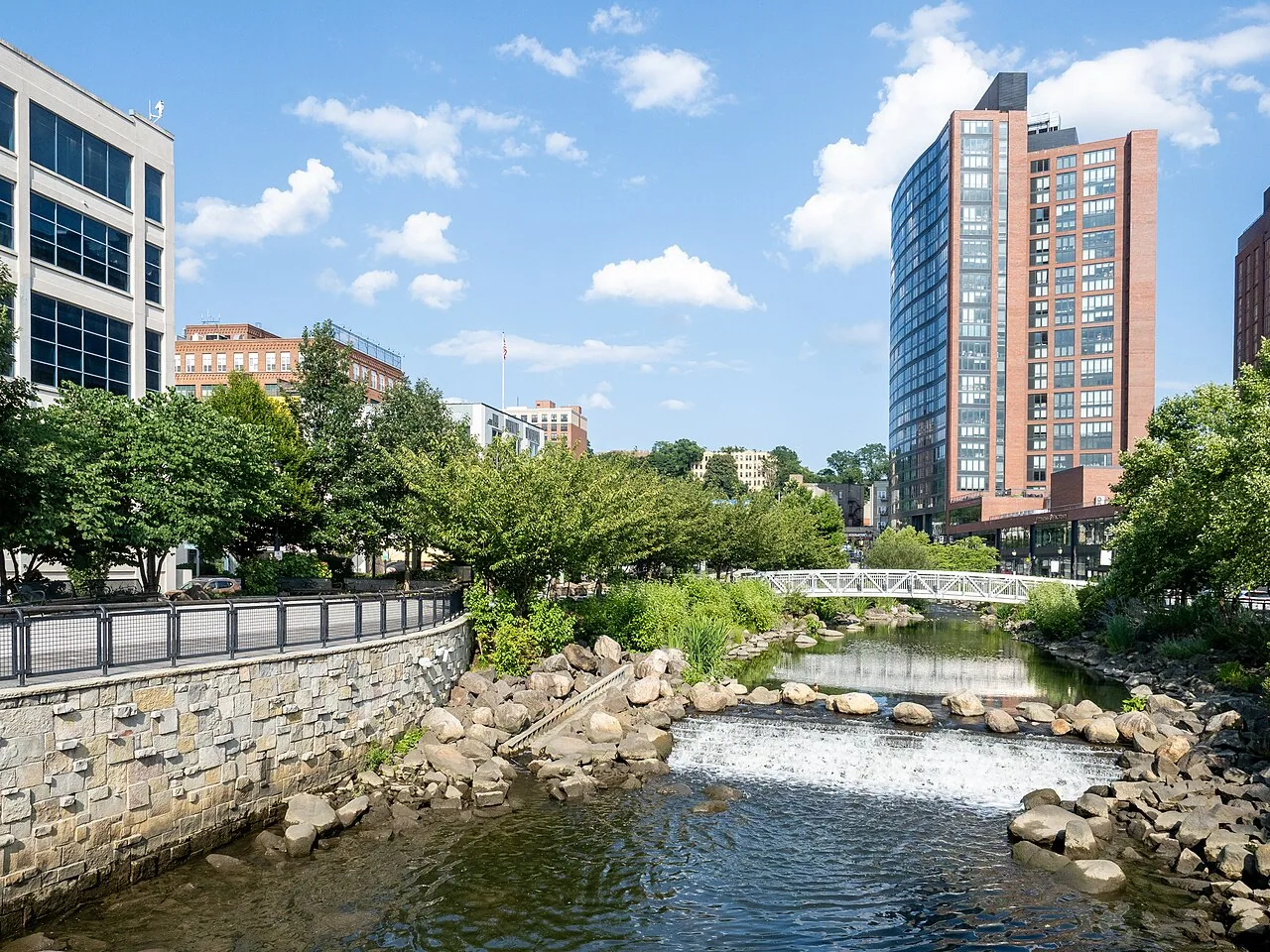
Getty Square is part of the downtown setting where the city's Saw Mill River daylighting connected the core toward Nepperhan Avenue. The daylighting describes a downtown setting, not individual office buildings, so occupancy is confirmed with each manager. Offices in downtown Yonkers or along the Central Park Avenue corridor are handled building by building.
A preventive roof maintenance visit can revisit drains, seams, and prior repair boundaries over time. Consistent labels help a property manager compare photos after seasonal weather and ask whether a reported condition changed. The file should show what was observed, what was completed, what remains open, and the next decision date.
Commercial Roofing Questions
Can office roof work happen during business hours?
The approved window depends on access, noise, weather, and the repair method. We confirm tenant notices, entrances, lift placement, and the building contact before setting a work sequence.
Does a ceiling stain show where water entered?
A stain marks where water became visible. We compare its position with roof transitions and concealed paths, then identify which observations support a likely route and what remains uncertain.
What information should a property manager share?
Provide the reported suite or common area, timing, prior repairs, roof plans, safe-access instructions, and any delivery or tenant restrictions. This helps define a focused inspection without assuming the cause.
When should an owner request a broader roof plan?
Consider one when multiple sections have recurring reports, repairs overlap, or capital timing needs a documented condition baseline. Keep each roof area and unresolved question separate for comparison.
Request a roof assessment or view all property types we roof.