
Service Areas
Commercial Roofing in Irvington, NY
Service Areas
Commercial Roofing in Irvington, NY
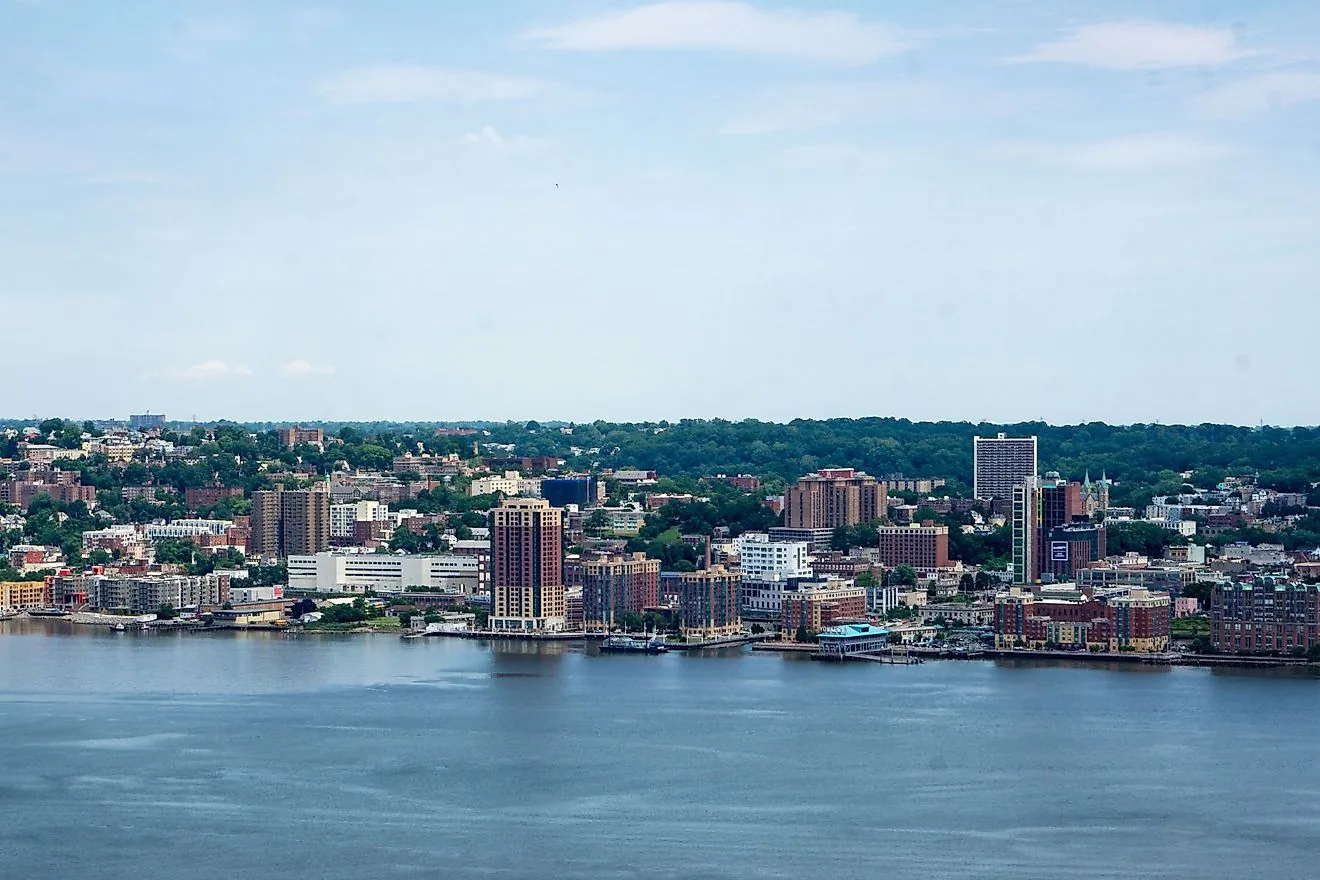
The edge of a commercial roof is where a building shows its age first, and it is the first place we look in Irvington, NY. Coping, drip edge and gutter hardware take wind, runoff and freeze-thaw movement, and their failures let water behind the membrane long before a ceiling stains. We photograph each run of edge metal, probe the fasteners and sealant, and record the loose, open or corroded sections by location. Irvington lies about 6.1 miles from Yonkers in a straight line, and the Hudson-side road network around it shapes how a crew stages equipment as much as the roof does.
Edge metal comes first
Edge metal is a system of small parts: a continuous cleat, a cap piece, joint covers and sealant, all fastened to a wall or a deck. When one part loosens, the rest take extra load. A cap that has lifted at a corner lets rain run under the membrane and into the wall, and the damage shows up as stained plaster, not as a roof leak.
We check each joint for gaps, each fastener for backing out and each corner for splits. Our record notes the run length, the condition and the likely remedy, whether that is resealing, re-fastening, replacing a cap or rebuilding a section. The edge metal and gutter items often cost less than a membrane repair, and they protect it.
Gutters deserve the same discipline. A gutter that holds standing water carries extra weight, and the hangers that were set for an empty channel can pull out of the fascia. We look at hanger spacing, joint seams and end caps, and we run water from a hose at the high end to see whether it reaches the downspout. A run that holds water more than a few minutes is recorded with a photo and a note on the likely cause: slope, debris or a crushed section.
Working beside Route 9
NYSDOT's Route 9 corridor project includes Hudson-side Westchester localities, among them Irvington, Tarrytown and Sleepy Hollow. A building that faces a busy state route may have little room for a truck, a lift or a pedestrian detour. Street parking, sidewalks and signal timing all affect where equipment can stand and for how long.
At the first walk, we record the frontage: where the curb is, where pedestrians pass, where deliveries stop and which side of the building allows a lift. We then prepare a staging sketch with drop zones, barricade lines and an access window for the roof. A crew that stages from the rear or a side lane avoids the street altogether, and the sketch shows whether that is possible.
Where a street cannot be used, the alternatives are a rear alley, a side yard or a neighboring lot with the owner's permission. Each has a cost. A crane set up off the street adds mobilization, and hand-carrying material adds labor hours. We list the staging options in the scope with a rough time and cost class, so the owner can pick between a shorter job with street closures and a longer one without them.
Wind, water and the edges that fail
Wind lifts a roof from its perimeter. A loose cap or cleat gives it a hold, and the membrane beneath can flutter and tear at the fastener line. The condition shows as ripples, open laps or stretched flashing at corners.
We note these conditions with a photo sequence from the edge inward, because the pattern shows how far the movement has traveled. A wind damage repair addresses the edge first, then any membrane fatigue behind it. A storm event adds a dated entry to the record, so a later claim can show what the roof looked like before and after.
Freeze-thaw at gutters and drains
Westchester County Airport, the nearest long-term station, records lows of 32°F or colder on roughly 104.7 days a year, along with 47.75 inches of precipitation. Gutters and drains hold water long enough to freeze in that climate, and ice can split a joint or push a gutter off its hangers. We check slope, hanger spacing, outlet connections and downspouts, and we look for ice damage at the roof edge.
We also look for water running behind a gutter, where it can reach the fascia and wall without ever touching the membrane. When we find it, the record names the cause and the fix: a new hanger, a resloped run or a replaced section. A winter inspection is useful for this reason, because ice marks show where water has been.
Scope, cost and timing
A small edge repair can be done in one access window with a lift or ladder. A full edge replacement takes longer, needs material lead time and may involve a permit. A commercial roof repair scope states the run lengths, the material, the tie-in to the membrane and any scaffold or lift required.
Cost drivers are the length of edge, the height, the access method, the number of corners and the condition of the wall behind. We separate those from the membrane items, so the owner can fund the edge now and plan the membrane for a later season. The state's 2025 Uniform Code governs the work, and the local building office confirms the permit path for the scope as written.
Material lead time deserves a line in every scope. Custom-bent metal can take weeks to arrive, and a stock cap piece may not match the existing profile. We measure the profile on site, photograph it and note the gauge and finish, so the order is right the first time and the repair does not stall waiting for a corrected piece.
Records to retain
The edge file holds a photo of every run, a plan sketch with the runs numbered, and a table of conditions: sound, loose, open, corroded or missing. It also holds the staging sketch and the access window agreed with the owner. After the work, each run is photographed again, so the before and after pair sits side by side.
Keep the file with the building drawings. A future owner or inspector can compare it with a later photo set and see which parts were replaced, which were resealed and which were left for later. A roof condition report pulls those findings into a ranked plan, with the edge items placed where their consequences warrant.
Next decision
The edge report ends with a short list: urgent fastener and sealant work, scheduled replacements and items to watch. Each entry has a photo, a location and a rough cost class. The owner picks what to do before the next freeze, and the rest stays in the file.
The same method applies in nearby Tarrytown and Sleepy Hollow, and for Yonkers owners along the Yonkers Avenue corridor. For a building with a pitched or metal roof above the edge, a standing seam metal review follows the same sequence.
Commercial Roofing Questions
Why inspect edge metal before the membrane?
Edge failures let water behind the membrane. A repaired edge protects the roof field and often costs less than field repairs.
Does a street-side building change the schedule?
Yes. Sidewalk, curb and traffic limits decide where a lift stands, so we prepare a staging sketch and an access window first.
How can wind damage be recorded?
With a photo sequence from the edge inward, noting ripples, open laps and stretched flashing, with the storm date written.
How far is Irvington from Yonkers?
About 6.1 miles in a straight line. Road distance and travel time vary, so the access window is confirmed ahead of the visit.
Which items can wait until spring?
Those ranked as watch items with no active water entry. Open joints and loose caps do not wait.