
Service Areas
Commercial Roofing in Peekskill, NY
Service Areas
Commercial Roofing in Peekskill, NY
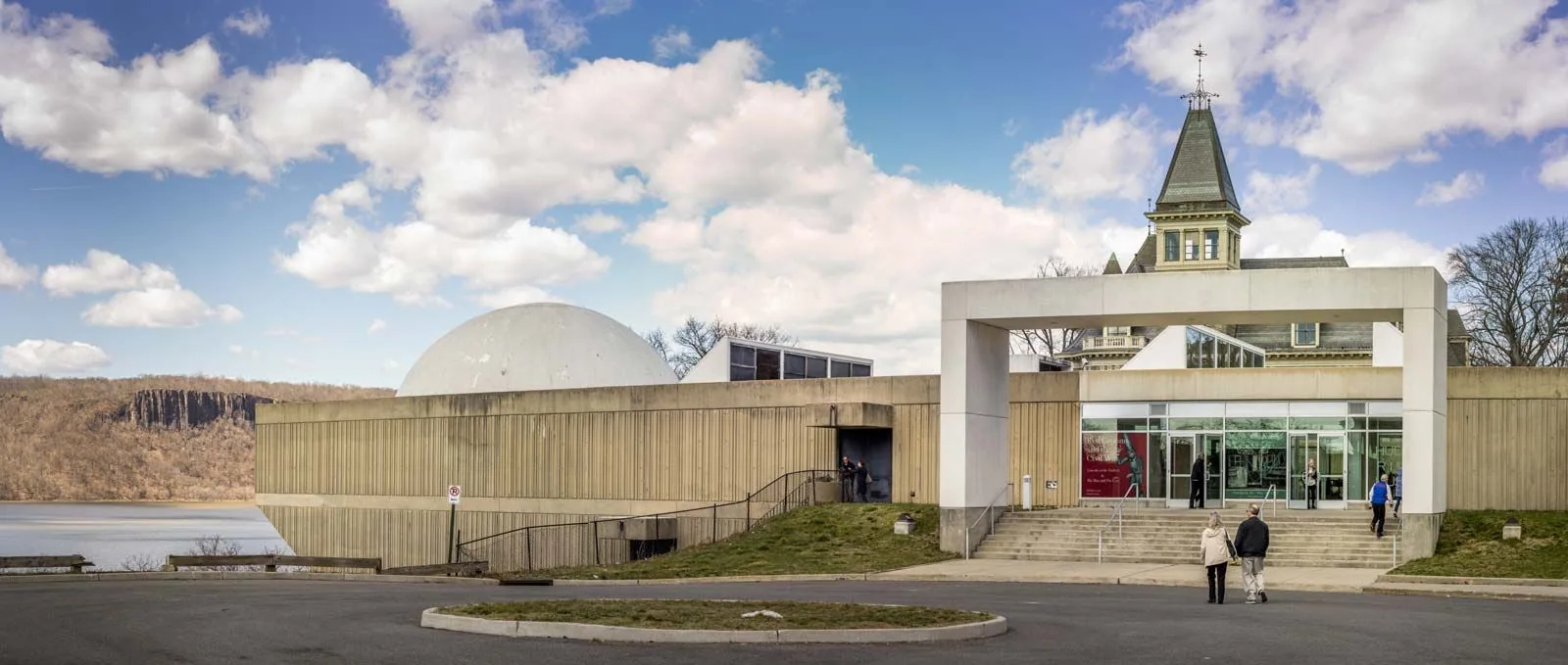
Distance changes how a commercial roof job is planned, and Peekskill, NY is the farthest place in our Westchester service radius. It lies about 23.8 miles from Yonkers in a straight line, so each trip carries real travel time and cost. That pushes the work toward preparation: collect the roof records and photos by phone and email first, run a remote pre-review, decide what a single visit must capture and arrive with the right tools and material. A well-prepared first visit can settle the scope, so a follow-up trip stays the exception.
Remote review before the trip
Before a crew travels, we ask the owner for what already exists: roof drawings, warranty papers, repair invoices, leak dates, tenant contacts and any photos. We also look at aerial imagery and note roof shape, equipment count, visible ponding and obvious surface wear. The remote review is not an inspection. It is a way to decide what to bring and what to ask.
The output is a short pre-visit sheet: what we know, what we assume and what the visit must settle. It lists the tests likely to be needed, such as cores, moisture scanning, seam probing or a drone pass, and it flags access items like roof hatches, ladders and keys. The owner sees it before the trip, so gaps are filled early.
Photos from the owner are worth requesting even when they look rough. A phone picture of the roof hatch, the ladder, the nearest drain and the ceiling stain tells us which tools to pack and how long access will take. Include the date taken and the weather if the owner remembers it. Each image goes into the file with its source noted, so the record separates what we saw from what we were sent.
Make the single visit count
The visit follows the sheet. We photograph every roof zone in sequence, record drains, edges and penetrations, probe seams and take cores where the pre-review pointed. If moisture is suspected, a scan covers the roof and cores confirm suspect areas. A drone roof inspection adds an overview of large or hard-to-reach sections.
We write the observation log on site, with times and conditions, so nothing depends on memory. Before leaving, we review the open items with the owner or manager and note anything that still needs a second trip. The goal is to leave with enough evidence to write a firm scope.
Tools matter on a long trip. We bring probes, a moisture meter, coring equipment, patch material for small temporary fixes and the fall protection the roof access requires. Carrying a set that covers the likely findings avoids a second trip for a missing item, and the pre-visit sheet is the checklist that drives the packing.
Routes north from Yonkers
Westchester's I-87 access points run from Yonkers through Ardsley, White Plains and Elmsford to Tarrytown and Sleepy Hollow, and the I-287 exits tie several of the same places together. Travel from Yonkers to Peekskill follows the regional road network north, and the straight-line distance understates the road distance.
For that reason we state a window, not a time, when scheduling: the crew leaves by a set hour, allows margin for traffic and confirms arrival by phone. If a crane or a truck-mounted lift is needed, its schedule is fixed with the supplier, with a standby plan for delays. Fewer, longer visits cost less than many short ones, so we group tasks where we can.
Material suppliers add their own timing. Membrane rolls, insulation boards and flashing metal are ordered against the measured scope, with lead times noted. A shortage can delay a start more than distance can, so the schedule shows the ordering date next to the work date.
Weather margin on a longer trip
Westchester County Airport, the nearest long-term station, logs about 104.7 days a year at or below 32°F, 47.75 inches of precipitation and 9.7 days reaching 90°F or higher. For a trip of this length, weather margin matters: a crew that drives an hour to find the roof wet or iced has lost the day.
We check the forecast the day before and the morning of the visit, and we agree with the owner on a backup date. The decision is recorded with the forecast and the time it was made. Interior documentation can proceed in poor weather, and the roof walk waits. For repairs, the schedule leaves room for a weather hold without sending the crew home empty.
Scope, mobilization and cost
Mobilization is a real line in a scope for a distant site: travel time, vehicle and equipment moves, material delivery and any overnight needs. We state it separately, so the owner can compare the price of the work with the price of getting to it. When several tasks are grouped into one trip, the mobilization is shared, and the report shows the saving.
The other cost drivers are the usual ones: area, wet insulation, tear-off depth, penetrations, hoisting, tenant protection, disposal and weather holds. A commercial roof repair can be sized to one visit; a replacement is planned with a schedule and a documented sequence. The state's 2025 Uniform Code applies, and the local office confirms the permit path for the scope.
A staged plan can lower cost for a distant site. Urgent repairs go into the first trip; scheduled work, such as a recover or a coating, is grouped with a later trip when material can be delivered in bulk and the weather window is better. The report lays out both sequences with dates and costs, and flags the decisions the owner must make by each date.
Urgent leaks at a distance
An active leak at a distant site is handled in steps. Interior protection starts right away through the owner or tenant, guided by phone. A crew then travels for a temporary dry-in when the roof is safe to reach. The temporary work and its expected life go into the log, and a permanent scope follows once the cause is clear.
The owner should expect the log to say what was done, what was not and what the travel added. An emergency roof repair entry that separates those items gives the owner a fair basis for the next decision, including the option to schedule a planned visit instead of a second emergency trip.
Owners can reduce emergency risk with small habits. Keep drains clear, report stains early with photos and know where the roof key is. A short list of those habits goes with the closeout file, along with the contact numbers for dispatch.
Next decision
After the first visit, the owner has a record, a ranked list and a price for each option. The record applies to every later step. Owners elsewhere in the county, including Tarrytown, Sleepy Hollow and Elmsford, receive the same format, and a preventive maintenance visit once or twice a year keeps a distant roof from becoming an urgent call.
Commercial Roofing Questions
How far is Peekskill from Yonkers?
Roughly 23.8 miles by straight line; the road is longer, so we plan a margin.
What is a remote pre-review?
A look at the owner's records and aerial imagery to decide what to bring and what the visit must settle. It is not an inspection.
Why group tasks into one trip?
Mobilization is shared across tasks, so the owner pays less than for several separate trips.
What happens if the roof is wet on the day?
We document the interior and hold the roof walk for a backup date. The decision and the forecast are logged.
How is travel shown in a quote?
As a separate mobilization line, so the cost of the work and the cost of reaching it can be compared.