Commercial Roofing Services
Storm Damage Roof Repair in Yonkers, NY
Commercial Roofing Services
Storm Damage Roof Repair in Yonkers, NY
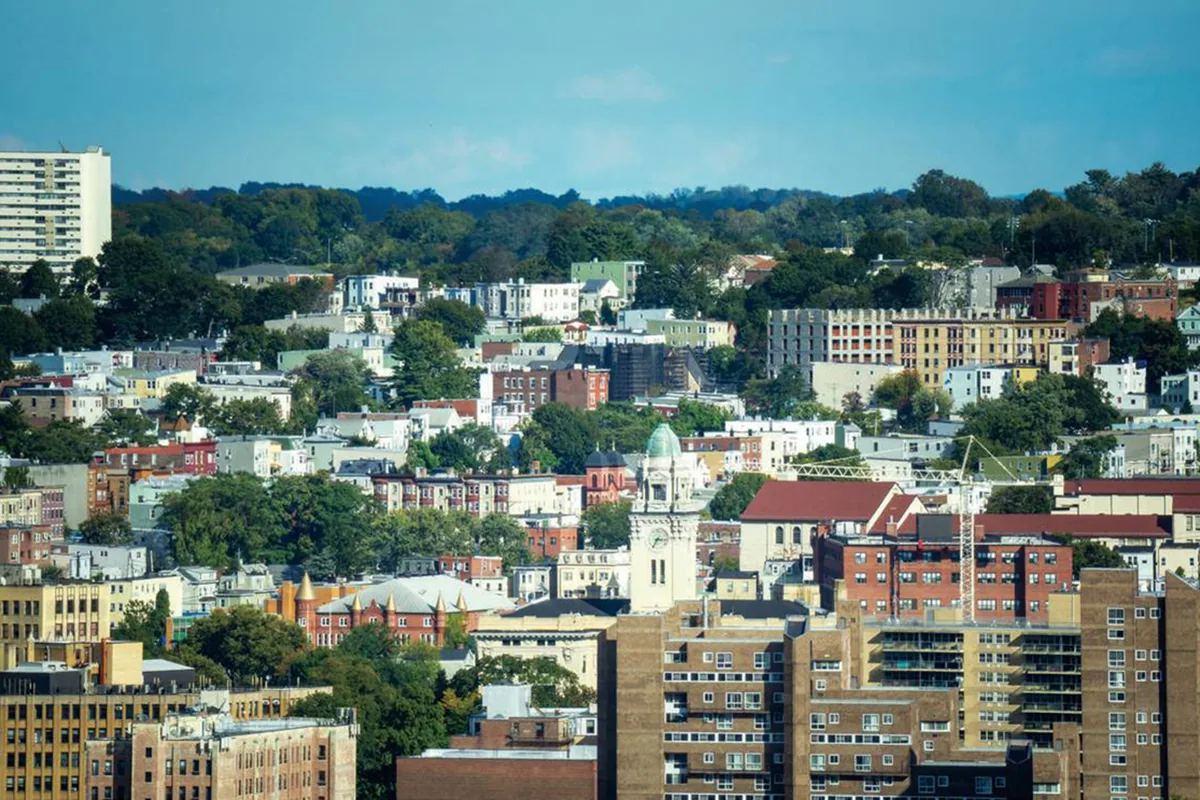
A storm report begins with the date, the affected room or roof zone, and what changed after the weather passed. We document visible conditions before moving loose material or making a temporary cover, then separate emergency protection from permanent repair. For an occupied Yonkers, NY building, the record also needs the access route, tenant impact, and any equipment that cannot be taken out of service. The nearby Westchester station averages 47.75 inches of precipitation annually. Whether a particular storm damaged this assembly is shown by dated photos and roof locations, so the report is tied to those. We inspect the actual roof, photograph each finding in context, and define which items are confirmed, which need testing, and which are still open.
Make the Area Safe
Start with the inside report. We ask when water or debris appeared, which spaces are affected, and whether electrical systems, inventory, or people are near the exposure. The site contact sets access and any isolation needed before a roof walk. If conditions allow, we place temporary protection over an opening and label it as temporary. The work note records what the measure covers and what it does not address, so an interim dry-in is not mistaken for a completed repair.
Emergency response runs at any hour, including holidays. The caller can describe the roof area, interior location, and access limits while we coordinate the first protective step. Our emergency roof response does not replace a full assessment when multiple roof sections may be involved. Once safe access is available, a roof inspection can map impact marks, displaced components, open seams, and drainage conditions for the permanent scope.
Record What the Roof Shows
We photograph the field membrane, perimeter, walls, curbs, penetrations, skylights, and drainage points where damage is visible. A close view records the split, puncture, or displaced metal; a wider view ties it to a roof section, equipment unit, or grid reference. We note whether water is active, whether insulation appears exposed, and whether the substrate can be seen. A single lifted edge does not by itself establish how far an attachment issue extends. We mark the next test or opening if that boundary could change the repair decision.
Freeze-thaw exposure is another reason to preserve a dated record. The station record counts 104.7 freezing-minimum days in an average year. A dated roof report can show whether the observed seam or drain condition changed through the storm and following cold period. Damage on a Yonkers roof shows in what the roof itself displays after the event. It does make the condition of seams, drain bowls, flashing, and metal transitions useful to compare after a storm and again after colder weather. We keep the claim documentation tied to photographs and roof locations, while keeping any construction scope separate from a coverage decision.
Set the Repair Boundary
The repair starts where sound material remains around the documented damage. We identify the membrane or metal assembly, prepare the surface, and choose compatible material for the failed detail. An open seam, punctured sheet, loose coping, and damaged drain flashing need different corrections. If water has reached insulation or deck, the scope names that evidence and the additional access needed to determine extent. At a perimeter, we check whether the metal moved, its securement remains seated, and the substrate shows damage; a bent cover alone does not establish a failure below it. At field seams, we distinguish a lifted edge from a surface scuff before selecting a repair material. We do not include concealed work as if it were already visible or completed.
For a roof with separate systems or prior patches, each affected zone gets its own line in the work order. A standing-seam roof needs a different panel and fastener review than a membrane field. When damage is localized, commercial roof repair may define a focused fix; widespread wet material or repeated edge movement may require a broader comparison. We state the area, preparation, repair material, and remaining open item so the owner can approve a boundary rather than a vague allowance.
Fit Access to the Property
Repair timing depends on roof access, material availability, weather, and the need to keep occupied areas protected. We set a work window with the building contact and identify where tools can be staged, how debris will be lowered, and which doors or equipment routes stay clear. If a temporary cover is in place, the record names the condition that requires another visit. A daily closeout identifies exposed areas and confirms the roof is left in the agreed condition before the crew leaves.
Yonkers commercial activity along Central Park Avenue and the business-residential mix of South Broadway can affect site access after a weather event; the building contact identifies the actual staging limits. Those broad Yonkers areas make delivery and pedestrian coordination relevant, but we verify the actual staging route at each property. The Central Park Avenue corridor and South Broadway area are places where staging gets worked out with the building contact. Where the storm affects several sections, a condition report can keep repairs and open questions organized by building area.
Keep the Follow-Up Traceable
At closeout, we provide before-and-after photos, the repair location, materials used, and any condition that remains outside the approved scope. For a claim file, we can keep the chronology in one place: the first report, images made before temporary work, protective materials installed, permanent repairs, and any later inspection. The photo sequence should show both the damaged detail and its position on the roof so the parties are discussing the same area. We separate emergency labor from the permanent correction and list unresolved conditions without assigning coverage. That gives the owner and insurer a record to review against their own requirements. The owner can compare the report with the initial storm note and see what was stabilized, permanently corrected, or left for additional investigation. If water was active, a return check after the next suitable weather event can be scoped when needed. A later finding becomes a new record rather than an unmarked addition to the original ticket.
Recurring damage in a roof zone may show that maintenance, drainage, or a broader assembly decision needs review. A maintenance check can compare nearby seams and outlets with the storm file after the immediate work is complete. Around Tuckahoe Road, the site's business or residential adjacency may influence access and tenant notices; we confirm those details with the site contact. To schedule a storm assessment in Yonkers, share the date, affected spaces, roof access contact, and any temporary protection already in place. We will return a documented repair boundary and the next decision the evidence supports.
Commercial Roofing Questions
What should I record before the roof visit?
Note the weather date, affected room or equipment, whether water is active, and any immediate protection already placed. Photos of the interior help tie the report to the roof-side inspection.
Can you handle a leak outside regular business hours?
Emergency response is available nights, weekends, and holidays. We coordinate access and the first safe protection step, then identify what needs a separate permanent repair scope.
Will the repair estimate cover hidden insulation damage?
Only conditions confirmed by inspection or an approved opening can be scoped as observed work. If moisture may continue beyond the visible area, we identify the test needed before setting that removal boundary.
How do you document work for an insurance file?
We organize dated photos, roof locations, observed damage, temporary protection, and completed repair details. Policy coverage and payment decisions remain with the insurer; our record describes the roof condition and work performed.
Request a roof assessment or view all commercial roofing services.