
Industries We Serve
Roofing for Public Agencies in Yonkers, NY
Industries We Serve
Roofing for Public Agencies in Yonkers, NY
A public roof decision has to survive a review that the owner of a private building never faces. Someone will ask why this roof and not that one, why repair and not replacement, why this amount, and the answer has to be in a document that outlasts the person who wrote it. So the record for a public building is built to be read by a stranger: dated photographs, stated conditions, named unknowns and options priced on the same terms.
We inspect and report on commercial roofs for cities, counties and public agencies in Yonkers, NY. Send the building list, existing specifications, past roof reports and the procurement rules that apply, and we will prepare a condition record and scope options that can go into a bid package or a budget request.
Write the Record for a Stranger
Each building file starts with identifiers: address, building number, roof zones and the drawing set if one exists. Dated, labeled photographs run from the hatch across the roof surface, then the seams, flashings, edge metal, drains and penetrations in turn. Findings sit in two lists. Observed conditions are things we saw. Open items are things we could not reach, could not test or could not explain, with a note on what would resolve them.
Separating the two lists matters in a public setting. A reviewer should be able to see which statements rest on a photograph and which on an assumption. Where moisture is suspected, scans and cores define the extent, and the report states the method and the limits of the test. Nothing in the file is worded as a promise about the future.
The file is also written to be reused. A building facilities manager can pick it up years later, compare today's roof with the photographs and see what changed. A reviewer comparing two buildings can read both files in the same order. An auditor can follow a repair from the first photograph of a stain to the closeout record without needing the person who handled it. That continuity is the main value of the format, and it costs little to maintain once the first inspection is done.
Account for the Building's Setting and Use
Public buildings in Yonkers span downtown offices, depots, garages, libraries and community buildings, and each has its own use. The city's Office of Economic Development supports business and commercial real-estate development, and planning efforts on Central Park Avenue and South Broadway show that public attention is on corridors where homes and businesses sit side by side. Roof work next to occupied streets needs notice, safe pedestrian paths and clear delivery times.
We note neighbors, entrances, loading areas and public routes in the access plan. A lift or crane near a sidewalk may need a closure permit, and the schedule counts the lead time. For buildings with public hours, noisy work moves outside them where possible, and interior protection goes under any open area before the roof is opened.
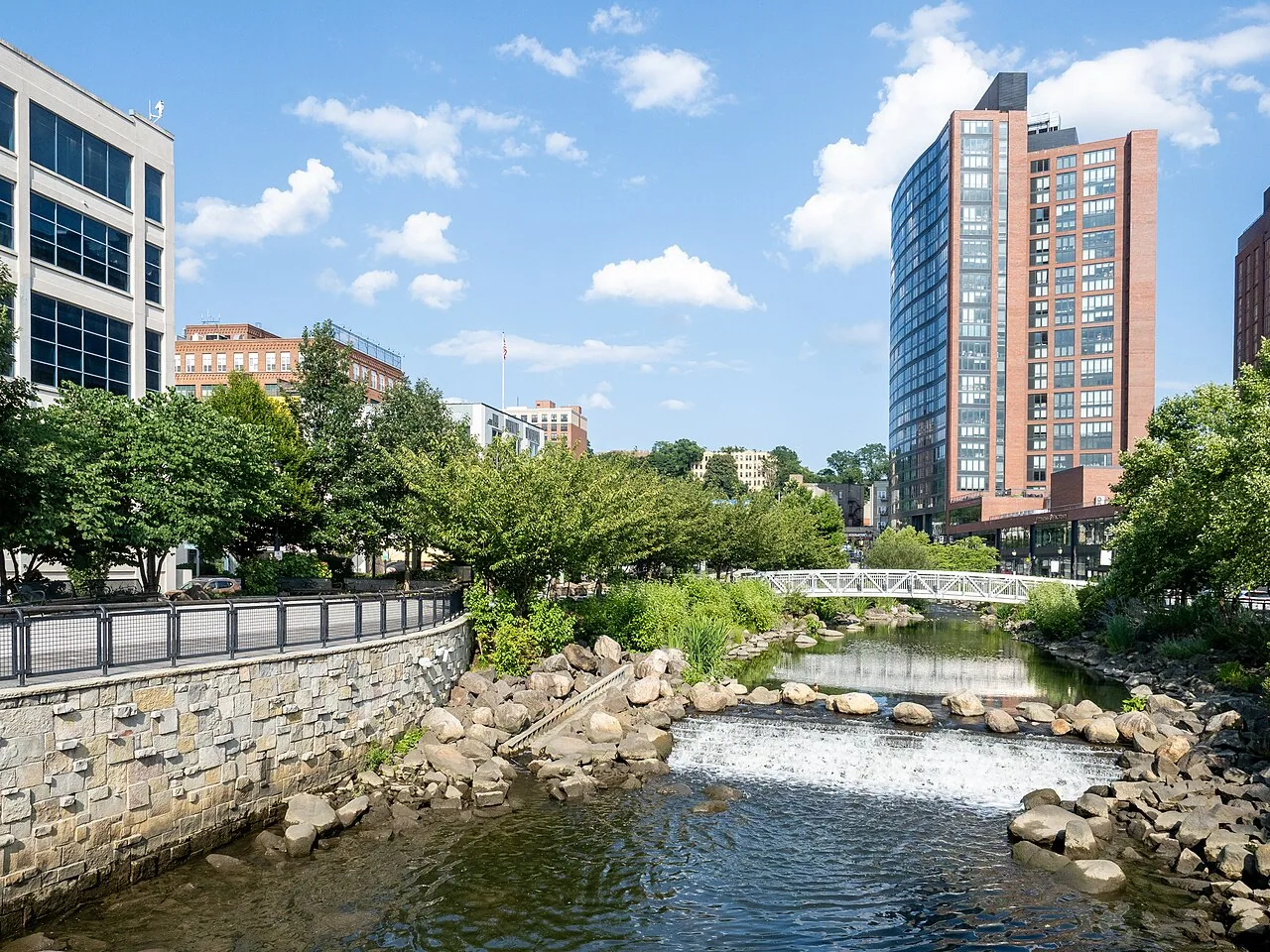
Downtown work has its own history. A 2013 city address linked downtown business activity to stages of daylighting the Saw Mill River, from Getty Square toward Nepperhan Avenue, a reminder that public investment changes the setting around public buildings over time. That is historical context for how the valley developed, and each agency building's roof is assessed on its own record. The roof record is built from what is found on the deck, whatever the neighborhood did last decade.
Plan Maintenance Around the Freeze Season
Westchester County Airport, north-east of Yonkers, records about 104.7 freezing-minimum days a year and 47.75 inches of annual precipitation. Neither number describes a particular roof, but both justify a maintenance calendar: drains cleared before the first freeze, a walk in late winter to catch ice damage and open seams, and permanent repairs that need warm, dry surfaces held for milder weeks.
For agencies with limited staff, the calendar is the cheapest protection. A maintenance visit costs less than the interior repair that follows a clogged drain, and the visit log shows whether the agency is keeping up. Temporary measures get their own entries apart from permanent work, so a reviewer can tell stopgap from cure.
Public buildings often sit unattended on weekends and holidays, so a drain that fails on Friday may run for days before anyone looks. The maintenance calendar includes a check after major storms and a standing contact for after-hours calls, and the visit log shows who looked at which roof and when.
Price Options on the Same Terms
Every option uses the same fields: area, duration, access needs, exclusions, assumptions and the evidence behind it. A commercial roof repair, a recover over the existing roof and a full replacement then sit side by side. Alternates, such as added insulation or a different membrane, are priced as alternates. That format lets a review panel compare options without reading three different documents.
Code and permit steps are listed as assumptions. The 2025 state construction and energy codes became fully effective on the last day of 2025, and the state itself leaves local laws and zoning to local authorities, so the city's requirement for each project is confirmed in writing. Public work may also follow procurement and wage rules that the agency controls, and we leave those to the agency.
Cost drivers appear as named lines: wet insulation, penetration count, drain count, access, public-hours limits and the permit path. A public owner can see which costs belong to the roof and which belong to the setting, and can decide whether to fund the roof now with the setting costs spread or to wait for a combined project. Contingency is listed as a separate figure with the assumptions it covers, so a change order has a visible starting point.
Turn Inspections Into a Multi-Year Program
An agency with many buildings gains from a program. A multi-site roof program inspects every roof on a schedule, ranks them by condition and use and places work over several budget years. A roof condition report for each building is the base document, and the program updates it after every visit.
Emergency reserves belong in the plan. Even a well-run program faces a sudden leak, and a pre-agreed response path lets the agency stop water and document the event the same day. The file for a downtown building near the Getty Square and downtown area or in the industrial valley follows the same format.
Close Each Job With a File That Lasts
The finished file gathers zone images, moisture findings, repairs, items still open, product literature and entry records. It goes to the building owner, the agency's records office and any auditor who asks. A government building roof record follows the same pattern, and a school district uses a close cousin of it, and an insurance and restoration reviewer can read the same file after a loss.
Commercial Roofing Questions
What makes a roof report suitable for a public file?
Dated photographs, labeled zones, observed conditions kept apart from assumptions and a list of open items with what would resolve them.
Can options be compared on equal terms?
Yes. Each option uses the same fields: area, duration, access, exclusions, assumptions and evidence.
Who handles procurement rules?
The agency does. We supply the condition record and scope options and leave procurement and wage rules to the agency.
What if a leak cannot wait for a budget cycle?
Temporary protection goes in and is logged. The permanent work is scheduled as the budget allows.
How are public buildings protected during work?
With notice, safe pedestrian paths, interior protection and work hours set around public use.
What should the agency send first?
The building list, specifications, past roof reports and the procurement rules that apply.