Roofing Manufacturers
Sika Sarnafil Roofing in Yonkers, NY
Roofing Manufacturers
Sika Sarnafil Roofing in Yonkers, NY
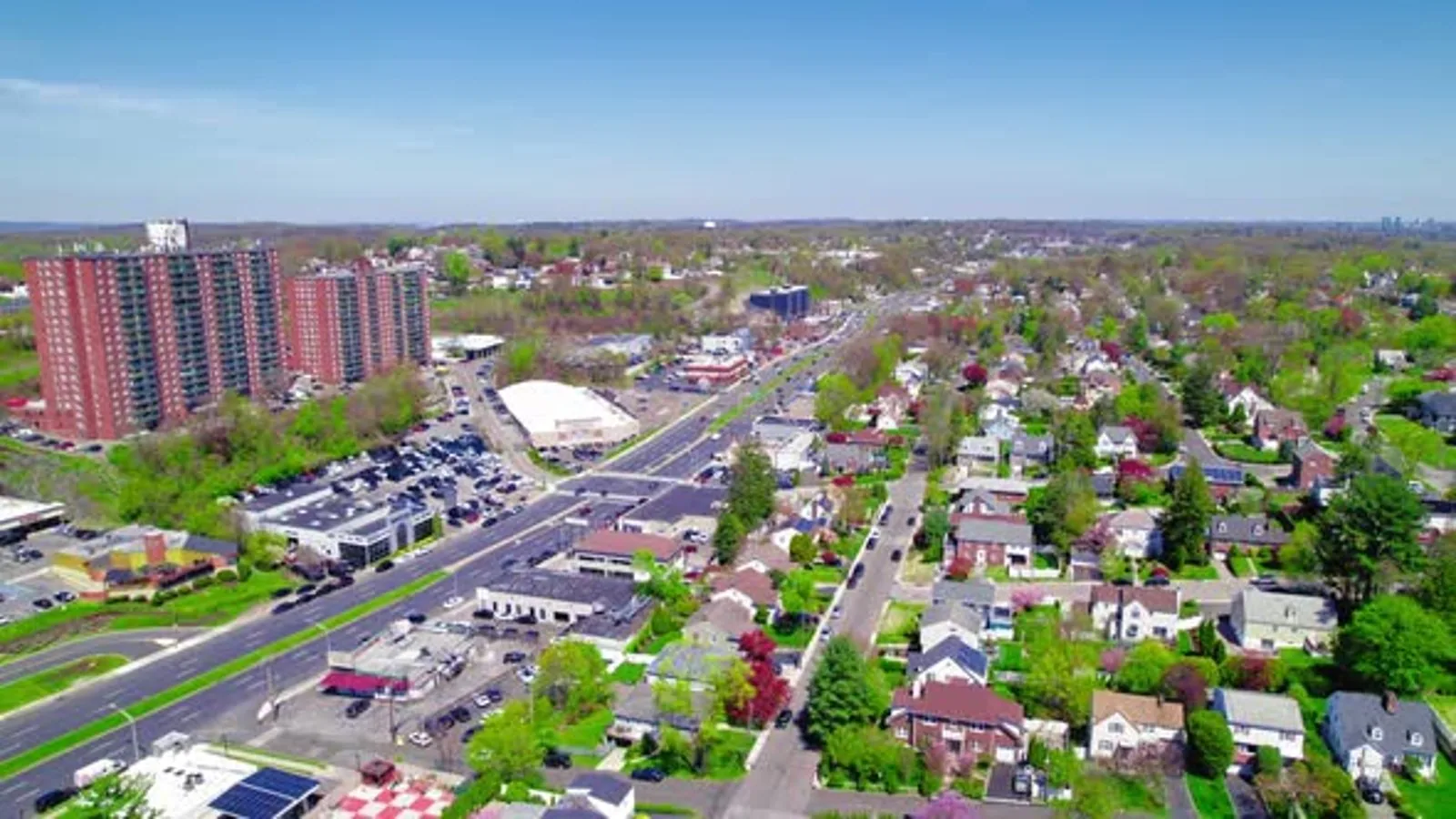
Sarnafil is the roofing name under the Sika company, and its best-known commercial product is a PVC membrane with heat-welded seams. The sheet is reinforced, usually with polyester or glass fiber, and it is joined with hot air so the laps fuse into one surface. A Sarnafil roof in Yonkers is therefore judged first by its welds and its flashing, and second by the condition of the sheet between them.
PVC work follows the written product requirements from cleaning to final weld. Where a building carries a mix of systems from different periods, each section is identified on its own before any repair is priced. The visit record holds photographs, a seam and flashing assessment and a repair boundary for the owner to approve.
Welds Are the Roof
On a PVC roof, the weld is the seam. A continuous, even weld leaves a small bead of melted material at the edge. A cold weld looks dull and lifts with a probe. We run a small blunt tool along weld edges, press at suspect laps and mark every spot that moves.
For repairs we clean the area, test-weld a scrap and pull it. The test shows whether the heat, speed and pressure were right on that day, on that sheet. If the test strip separates cleanly at the interface, the weld is redone; if the sheet itself tears, the weld stands. We repeat the test after any pause, change of operator or shift in the weather, since conditions that were right at eight in the morning may not hold at noon. The result is recorded with a photograph in the roof file.
Probing has a limit, and we state it. A tool finds a lifted lap that can be reached, but it cannot find moisture below a sound weld. Where the surface looks sound and the interior still shows water, the weld check is paired with a moisture survey so the two kinds of evidence can be read together.
Flashing and Prefabricated Details
PVC systems use prefabricated corners, pipe boots and curb flashings that are welded to the field sheet. These parts are the usual leak points. A boot can split at its collar, a corner patch can open at a fold and the termination at a wall can pull away when the sheet shrinks.
We check every flashing by sight and probe, look for cracking at stress folds and measure the height of curb flashing above the surface. Where equipment has been swapped, we look for added penetrations that were sealed with caulk alone. The repair for most of these is a new welded detail, not a bead of sealant.
Terminations at walls are another weak line. The sheet is fastened under a bar or a reglet, and the sealant above the bar sheds water. On masonry walls, the reglet is cut into the mortar joint, and weathered mortar can let the reglet loosen. When the sealant cracks, water runs behind the bar. We check the fastening, the bar and the sealant along each wall, and we reseal or reset the bar where the line has opened.
Grease, Oils and Exhaust
PVC resists many oils and chemicals better than some other membranes, which is why it appears near kitchen exhaust and process vents. The resistance is not unlimited. Heavy grease can stain the sheet and loosen contaminated welds, and some solvents attack the surface.
Where exhaust discharges onto the roof, as it can on a restaurant building near Getty Square or a retail strip on Central Park Avenue, we look for staining, softened areas and clogged drains downstream. A protective pad, a catch tray or a repaired section may be needed. The owner or tenant who runs the exhaust gets a short cleaning note, since a roof that stays clean ages slowly. Walkway pads near the fan protect the sheet from the maintenance traffic that serves it. For a PVC roof near restaurant exhaust, the first fix is often a housekeeping change: a cleaning schedule, a catch tray or a relocated discharge.
Drains below an exhaust need attention too. Grease that washes off the roof can congeal in a drain bowl and slow it, so we clean the outlet and record how long water takes to clear.
Insulation and Moisture Below
The sheet sits on insulation, and insulation that holds water loses value and can raise blisters under the membrane.Moisture is found with probes and meters, and over larger areas with an infrared moisture survey; a small core, patched the same day, confirms it.
If the wet area is small and bounded, we cut it out, replace the boards and re-weld the sheet. If the wet area spreads, the discussion moves to replacement, with the cost drivers listed separately: area, insulation, deck repair, penetrations, access and disposal. Where a recover is possible over dry insulation, we compare it with full tear-off on cost, disruption and remaining life, and the owner chooses.
Cold Welds and Hot Summers
Weld planning draws on the nearest long-term record, the Westchester County Airport normals northeast of Yonkers. For 1991 to 2020 they show about 47.75 inches of precipitation a year, 105 or so days with a freezing low and roughly ten days at 90 degrees or higher. Those seasons frame the weld calendar.
Welding is weather-sensitive. The same crew, the same tool and the same sheet can give a good weld on one morning and a poor one the next. Cold, damp or windy conditions can prevent a good fusion, and the sheet is stiffer and easier to crack in the cold. Moisture on the surface turns to steam under the welder and leaves voids in the seam, so a roof wet from dew waits until it is dry. For roofs in the Nepperhan and Saw Mill valley or on the Yonkers Avenue corridor, we schedule permanent welded repairs for suitable days and use temporary protection in between. In summer, surface heat shortens the time before a cleaner dries, so the crew starts early and stops welding if the sheet becomes too soft to hold a clean edge.
Warranty, Code and Records
Warranty terms on a welded PVC roof often cover installation details and repair methods. We ask for the paperwork before any repair and mark in the scope any step that could change coverage. New York's 2025 Uniform Code is now fully in effect. Permit paths are a local matter, and we confirm what Yonkers requires before a welded repair or a replacement is scheduled.
The closeout file records the weld test results, the details installed and photographs. A roof that also has a Duro-Last section gets a separate entry, and each yearly maintenance visit adds to the file. Owners who also hold Carlisle SynTec roofs can keep every building in the same format, which helps when a manager has to compare repair histories.
Commercial Roofing Questions
What is a heat-welded seam?
Hot air softens the surfaces of two sheets and pressure fuses them into one. A good weld is continuous and uniform.
Can a PVC roof be repaired in winter?
Temporary protection can go on in cold weather. Permanent welds need suitable conditions, so those often wait for a warmer day.
Does grease damage PVC?
It can stain and weaken contaminated areas over time. We look for staining at exhaust points and suggest protection and cleaning.
Why not just caulk a split boot?
Caulk ages and pulls away. A new prefabricated boot welded to the sheet gives a longer-lasting repair.
How do I know my roof is Sarnafil?
We check markings, records and the sheet itself, and take a sample if needed. The result goes in the file.
Request a roof assessment or view all roofing manufacturers.