
Property Types We Roof
Aircraft Hangar Roofing in Yonkers, NY
Property Types We Roof
Aircraft Hangar Roofing in Yonkers, NY
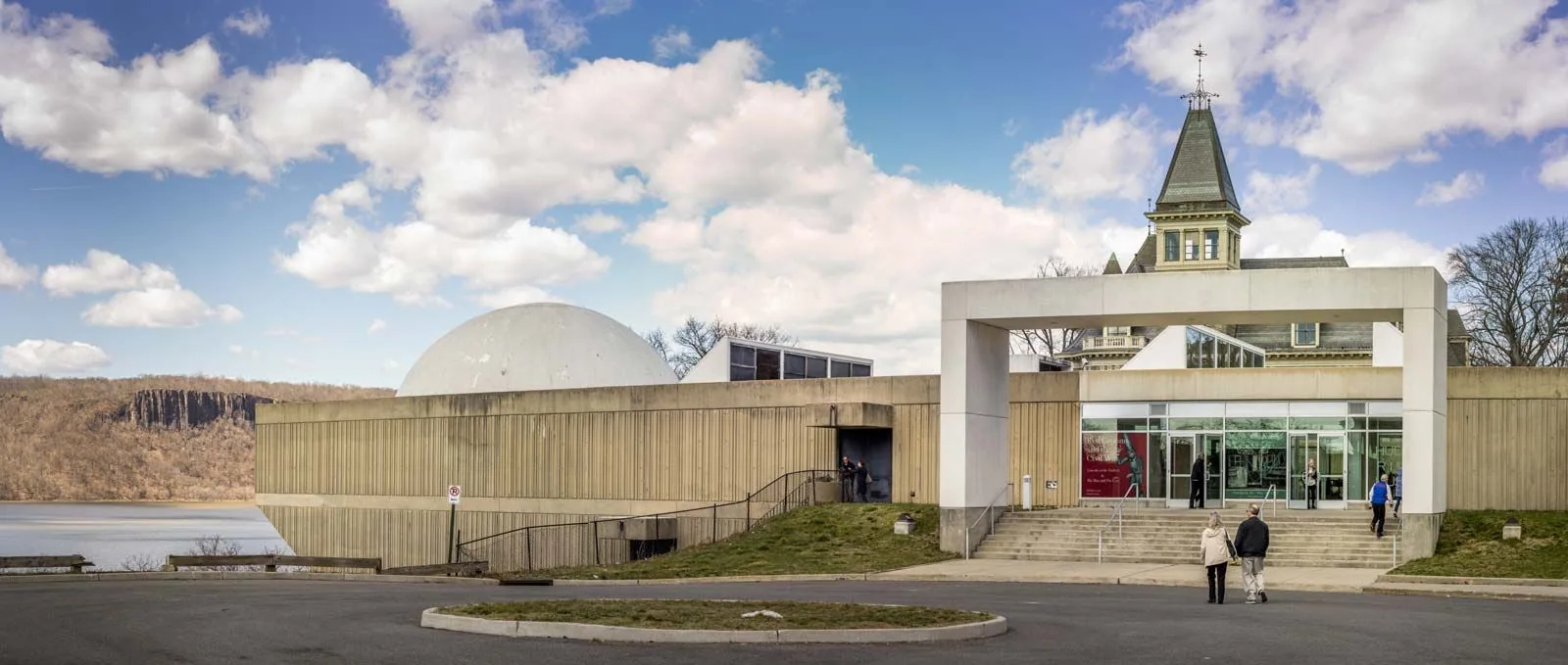
Any loose fastener, offcut, or piece of debris that leaves a hangar roof can end up on a ramp or inside an engine, so the first rule of hangar roofing is that nothing is left to blow. Commercial Roofing Yonkers plans repair and replacement for aircraft hangars and aviation buildings serving the Yonkers, NY area with that rule at the top of the scope. A hangar roof is a long clear span over valuable aircraft, tools, and people, usually in metal or a low-slope membrane, and a leak above a wing or a fuel-handling area carries more consequence than the same leak over a warehouse. The scope starts with what sits beneath each roof area.
Read the long span first
Hangars cover large floor areas without interior columns, which means long roof spans on deep trusses or rigid frames. Those roofs expand and contract with temperature, and any movement that stresses a seam, clip, or flashing shows up across a wide surface. We check metal panel laps, clips, and fasteners, or membrane seams and attachments, walking the roof with fall protection and recording each finding by location. Rust staining, loose trim, and sealant failure near ridge lines, eaves, and end walls tell us where movement is concentrated.
Where the roof is standing seam, panel seams, clip condition, and end laps are the items to verify. A standing seam metal roof can perform for a long time, but trim at the ends and the penetrations through it need their own review. If panels have corroded or fasteners have failed widely, a metal roof retrofit over the existing panels is worth pricing.
Insulation and condensation deserve a line. A cold metal roof over a warm hangar can sweat when humid air meets the underside, and the drip looks like a leak. Checking the underside for staining pattern and the insulation for moisture separates condensation from water entry, so the repair addresses the right cause.
Keep debris off the ramp
Foreign object debris is a safety issue near aircraft. A roofing crew handles hundreds of small items: screws, washers, sealant tubes, trimmed membrane, and packaging. We control them with magnetic sweepers, covered bins, tool tethers, and a daily sweep of the ground below the work. Material is staged away from taxi routes, and loose items are never left on a roof overnight where wind could move them.
Aircraft movements set the hours. If a hangar has aircraft outside or doors open, work above the doors may stop. The hangar operator and the airport or base authority identify restricted areas and radio procedures, and the crew follows them. Plans for cranes and lifts are cleared with whoever controls the airspace and the ramp, since tall equipment near an airfield can require review before it is set.
Delivery routes matter too. Trucks reaching the Yonkers area leave the Thruway at points such as Yonkers Avenue (Exit 2) or Tuckahoe Road (Exit 6), then cross local streets, and a long panel delivery needs a route with enough turning room. We confirm the truck length, the gate widths, and the staging area with the operator before the order is placed, so a delivery never sits idle on a taxiway or a public road.
Plan hot work and suppression carefully
Hangars hold fuel, solvents, and in many cases foam or water-based fire suppression systems with sensitive heads. Torch or open-flame roofing methods are a poor fit, and cold-applied, adhered, or mechanically attached methods are generally preferred. If hot work cannot be avoided, a permit, a fire watch, and the operator's sign-off are required. Fasteners that penetrate the deck must not damage sprinkler piping or conduit, so we locate those lines before drilling.
Water inside the building is a hazard of its own. A leak can drip on aircraft surfaces, on wiring, or into the suppression system's detection equipment. We ask where the sensitive points are and mark them on the plan so that a repair in one area is sequenced to protect them. The record includes photographs of the interior side where it is accessible.
Door tracks and wall transitions
The roof edge above a hangar door is a typical leak point. Large doors, sliding or hydraulic, sit close to the roof edge, and their headers and tracks need flashing that allows movement. Water that gets behind a door header can corrode steel and run onto the door mechanism. We examine the wall-to-roof transitions, gutters, and downspouts, and we photograph the door header from the ground and from the roof.
Where the building has lower attached shops, offices, or storage, the roof changes character: a low-slope membrane over a shop, a metal roof over the hangar bay. The step between them is flashed, and we check it for ponding and sealant failure. For the lower areas, a commercial roof repair may be all that is needed, while the main span is handled differently.
Weather and the Yonkers area
The regional record at Westchester County Airport, northeast of Yonkers, shows a 52°F annual mean, close to 48 inches of precipitation, about 105 freezing-low days a year, and nearly ten days at or above 90°F. On a hangar roof, that range means seams, fasteners, and sealants move with temperature, and snow and ice can load a long span or slide from a metal roof onto a ramp or a walkway. We check snow guards and gutters before winter, and we log findings after significant storms.
Local industrial settings, such as the Nepperhan and Saw Mill valley the city's plan identifies as holding much of its industrial space, differ from an airfield in access and traffic. A hangar near the Nepperhan and Saw Mill industrial valley sees truck routes that the plan describes between the Thruway and commercial uses, so deliveries are timed and routed with the operator.
Records for operators and insurers
Aviation operators and insurers want to know how a repair was done and who touched the building. The closeout file holds the scope, product data, photographs, a drawing of repaired areas, debris-control procedures, and any documented change. Related buildings, such as flex and light industrial buildings and warehouses, share the long-span issues, while military aviation work adds base access and escort rules, as with Army installation roofing.
Commercial Roofing Questions
How is debris controlled on a hangar roof job?
With magnetic sweeps, covered bins, tethered tools, staged material, and a ground sweep each day. Nothing loose stays on the roof overnight. The operator reviews the plan before work starts.
Can roofing continue while aircraft are on the ramp?
It depends on the airfield's rules and the position of the aircraft. Work above open doors or taxi routes may stop during movements. The operator names the restricted areas.
Why avoid torch-applied roofing in a hangar?
Fuel vapors, solvents, and suppression equipment make open flame risky. Cold-applied or mechanically attached methods are generally preferred, and any hot work needs a permit and a fire watch.
What matters most at the hangar door header?
Flashing that allows movement and sheds water away from the door track. Corrosion and sealant failure there lead to leaks onto the door mechanism, so we photograph and document the header.
Is a metal retrofit sensible for an older hangar roof?
It can be, when panels or fasteners have failed widely and the structure can carry the added framing. A structural review and a fastener check decide whether it is worth pricing.
Request a roof assessment or view all property types we roof.