
Property Types We Roof
College and University Roofing in Yonkers, NY
Property Types We Roof
College and University Roofing in Yonkers, NY
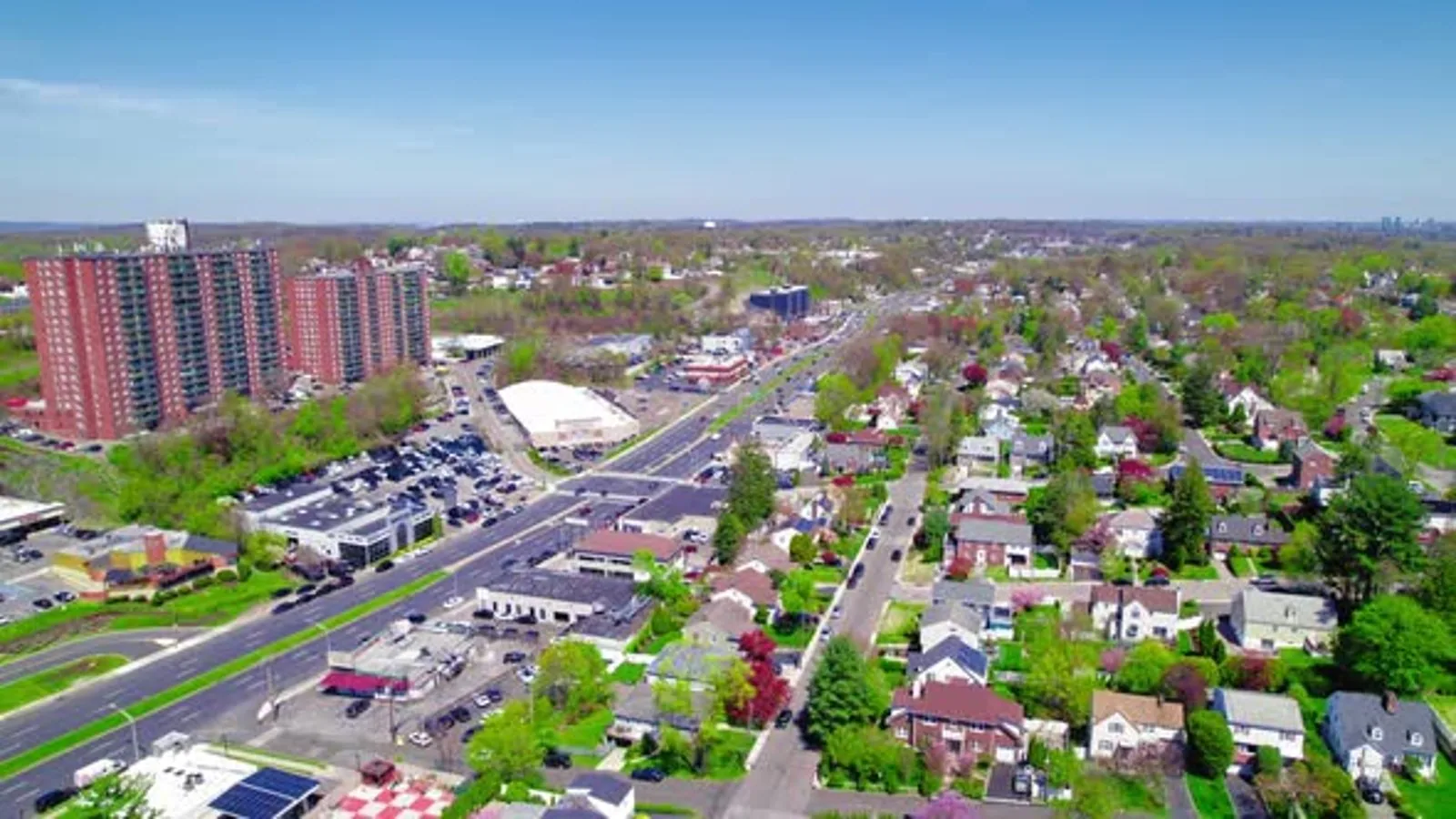
Campus roof decisions tend to be made on incomplete paper, so the first deliverable is a condition record for every building, written in the same format. Residence halls, classroom blocks, labs, libraries, athletic buildings, and central plants do not age on the same schedule, and a leak in a library stack room carries a different cost than one over a storage closet. For colleges and universities in Yonkers, NY, Commercial Roofing Yonkers inspects each roof area, photographs it in a fixed sequence, and sorts the open items by consequence. The result is a file a facilities director can hand to a capital committee: what is failing, what is merely worn, what can wait, and what the next decision is.
Give every building its own file
A campus built over several decades carries several roof systems side by side. Older flat roofs may be built-up or modified bitumen, while newer additions often use single-ply membranes, and a historic hall can have slate, copper, or a hidden low-slope section behind a parapet. We do not guess which is which. Each building gets a file listing its roof areas, the system we find, the visible age indicators, and the condition of seams, flashings, drains, and penetrations.
The files are built to be compared. When a campus has twenty roofs and money for three projects, the question becomes which three, and the answer needs consistent evidence. That is the purpose of a shared photo sequence and a shared rating language, and it is the same approach used in our multi-site roof programs.
The same discipline applies to small satellite buildings, a storage shed, a bookstore, a maintenance garage. They are easy to leave off a list because nobody works in them every day, yet their membranes can be the oldest on the property. Including them costs an hour on a walk and prevents a surprise claim later. Public and private K-12 owners follow a similar inventory habit, which is why the work resembles school roofing in method even though the buildings are larger and more varied.
Protect what sits under the deck
Some academic spaces cannot tolerate a drip. Research labs with instruments, libraries with paper collections, server rooms, art studios, and theaters all carry contents that are expensive or impossible to replace. We ask early which rooms sit under which roof areas and mark them on the plan, so a repair crew knows where a failed seam is a nuisance and where it is an emergency.
For wet-insulation questions, an infrared moisture survey maps trapped water in the roof assembly without opening it. That matters on a campus roof that has been patched repeatedly: the survey shows whether the patches sit in a dry system or in saturated insulation, which decides whether another patch is worth buying.
Use the summer window early
The summer break is the best time for tear-off, but it is short and every vendor on campus wants it. Material lead times, permits, and crew availability need to be settled in the winter and spring before it opens. We work backward from the first day residence halls refill: demolition and dry-in come first, flashing and edge metal next, and punch-list work last, so a late delivery does not leave a deck exposed on move-in week.
Winter and shoulder-season work stays narrower. A nearby station at Westchester County Airport, northeast of Yonkers, records roughly 105 freezing-low days a year, which limits cold-applied products and welding. Repairs done in those months are logged as temporary or permanent, with a revisit condition, and the full commercial roof replacement waits for the break.
Plan around the street network
A campus in Yonkers shares its streets with everyone else. Four Thruway exits reach Yonkers, from Exit 2 at Yonkers Avenue to Exit 6 at Tuckahoe Road, so truck routes into the city are well defined, but the last half mile is a local street question. Delivery windows, crane picks, and dumpster placement are settled with the campus and, where needed, with the city before material arrives.
Inside the campus, we work with security and facilities on pedestrian routes, lecture hours, and quiet periods near exams or events. Hoisting paths and staging areas stay away from entrances, and rooftop work near occupied classrooms is scheduled around class blocks. A Yonkers Avenue corridor property has different truck access than a hillside quad, and the plan reflects it.
Count the roof equipment
Campus roofs are crowded. Air handlers, exhaust fans, lab hoods, antennas, and sometimes solar arrays sit on curbs and rails that are flashed into the membrane. Each one is a place where water can enter, and each one is a coordination item when mechanical contractors need access. We document equipment locations, curb condition, and flashing details so replacement of a unit does not damage a sound roof, and so a membrane replacement leaves equipment properly supported. Rebuilding rooftop equipment curbs and supports is often the cheapest moment to fix a leak path that has outlasted two patches.
If solar is planned, structure, drainage, and warranty paperwork must be settled before panels go up. A solar-ready roof is specified with the future load and access in mind, not retrofitted after the membrane is done.
Feed the capital plan
Capital planning needs numbers a committee can trust, so we give options with their trade-offs rather than a single price: repair, recover, or replace, each with its disruption, its expected service life range stated qualitatively, and the conditions that would change the answer. Roof capital planning turns a campus inventory into a sequence of projects that can be funded over several years. Buildings that never fully empty, such as infirmaries or residence halls with summer programs, face the same shrinking windows as a hospital, and the schedule has to respect them.
One more input matters to the committee: the condition of the roof at the time of purchase or transfer. When a college takes on a building, a written condition file taken before the keys change hands gives the new owner a baseline, so later disputes about what was already worn are settled by photographs and not by recollection. Insurance claims after a storm benefit from the same baseline, because adjusters ask what the roof looked like before the event, and a dated photo sequence answers that question directly.
Commercial Roofing Questions
How do you rank campus roofs when the budget covers only a few?
We rank by consequence first: what sits under the roof, how fast water reaches it, and how likely the roof is to fail again. Age comes second. The ranked list carries photos so the committee can see each reason.
Can a residence hall roof be replaced while students are away?
Yes, when the schedule is built backward from move-in. Tear-off and dry-in take priority early in the break, with flashing and punch work after, and material is ordered before the break opens.
What does a library or lab roof need that an office roof does not?
More caution about leaks and about access. We locate sensitive rooms on the plan, choose methods that limit moisture and dust, and arrange escorts for any rooftop route that passes equipment.
Do older slate or masonry buildings need a different roofer?
A historic roof section may need a specialist for slate or copper work. Our scope covers the low-slope and metal portions, and we flag where another trade is needed so the work order shows the full picture.
What belongs in a baseline file for a newly acquired building?
Dated photographs of every roof area, a drawing marking drains, curbs, and penetrations, and a short list of open items. Taken before occupancy changes, it fixes the roof's starting condition for warranty and insurance conversations.
Request a roof assessment or view all property types we roof.