
Property Types We Roof
Cold Storage Roofing in Yonkers, NY
Property Types We Roof
Cold Storage Roofing in Yonkers, NY
A roof concern over a refrigerated space raises two separate questions: what is happening in the assembly, and what must the facility protect while it is investigated? A ceiling mark, condensation report, or wet insulation observation should be logged with its location and time. It does not establish the cause by itself. We compare interior evidence with roof seams, penetrations, edges, drainage, and insulation details, then state which parts are confirmed and which need further testing.
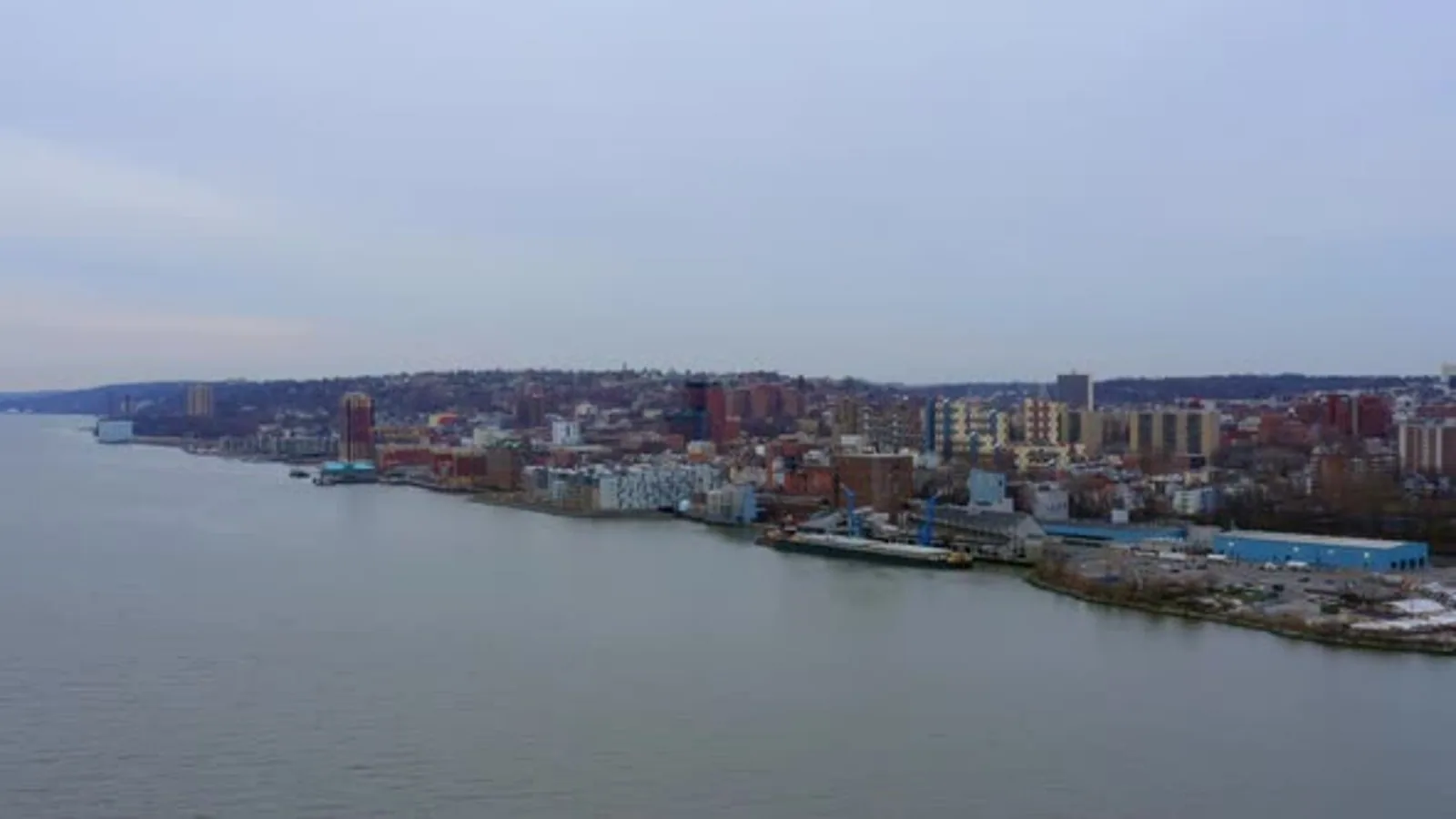
Yonkers has varied commercial and industrial settings, from the Nepperhan/Saw Mill valley to corridors such as Tuckahoe Road and Central Park Avenue. Those geographies provide orientation, not evidence about an individual cold-storage building. We confirm roof access, refrigeration constraints, product-protection procedures, and the approved work window directly with the operator before planning a visit or repair.
Distinguish Water Entry From Condensation
Ask when the condition appears, whether it changes with weather or equipment cycles, and where moisture is first visible. Record interior temperature or humidity only when the facility provides a reliable measurement and permission to collect it. Do not infer a roof leak from a single condensation report. Air movement, insulation continuity, vapor-control details, penetrations, and exterior water entry can create different symptoms that need different follow-up.
From the roof, document the membrane or metal surface where identifiable, seam condition, curbs, pipe penetrations, edge transitions, and nearby drains. Photograph the detail in context and close up, and mark its roof section. If the area is inaccessible or covered, keep the limitation visible. A moisture survey may help investigate suspected wet insulation when its method and limits fit the assembly, but no instrument reading should be presented as a full diagnosis without interpretation and confirmation.
Westchester County Airport climate normals report a mean annual air temperature of 52.0 degrees Fahrenheit and 47.75 inches of annual precipitation. Humid summers against a cold interior set up the temperature difference that drives condensation reports. They give context for inspecting seasonal transitions and drainage, while the actual moisture path must be established from the building's conditions and records.
Keep Insulation Questions in the Scope
Cold-storage roofs may depend on a combination of deck, air or vapor control, insulation, cover board, membrane, and carefully treated penetrations. The existing build-up can vary at additions and equipment areas. Review drawings, prior replacement records, and product information when available. If the layer sequence cannot be verified, say so rather than specifying a new assembly from the visible surface alone.
At a curb, door canopy, or pipe penetration, check flashing geometry and whether nearby insulation or substrate conditions can be observed. Keep any selective opening subject to the owner's approval and an agreed protection method. A roof insulation and cover-board review can identify questions about layer condition without assuming that every wet-looking interior area contains saturated board. State what evidence would resolve the question and whether it affects a repair tie-in, replacement detail, or both.
Compare a warehouse roof record or a distribution center roof review when storage protection is also a concern, but retain this facility's refrigeration requirements separately. If chilled or frozen products are present, the operator defines product handling and acceptable environmental changes. Roofing scope should explain access, openings, temporary protection, and closeout steps without promising control of the building's interior process.
Record Drainage Without Overstating Its Effect
Identify each drainage area, inlet, overflow, visible obstruction, and water mark at the time of inspection. A roof drain can be clear while a leak persists elsewhere, and ponding does not on its own establish a membrane defect. Keep drain maintenance and roof repair as separate recommendations unless the same documented condition connects them. A drain and scupper check can define cleanout or component work before the owner approves a broader roof scope.
Temperature changes make joints, flashings, and metal transitions useful review points. NOAA normals for Westchester County Airport count 104.7 days a year when the minimum reaches freezing, and a refrigerated interior sets up a separate temperature difference across the deck. We use it only to explain why the condition record should capture season, visible movement, and any change at a previous repair.
For a large roof, map drains and equipment by section so the owner can see which area was checked. When drainage crosses a roof addition or separate structure, mark where the route changes. Note any area that requires a safe follow-up during or after rainfall. The report should leave a clear next observation rather than implying that one visit has tested every condition.
Set the Protection Plan Before Opening the Roof
Confirm escort, hatch or ladder access, fall protection, security rules, loading limits, and who can approve a pause. Identify the area below each planned work zone and the facility's own method for protecting stored product. A roofing team can describe temporary dry-in and debris control, but the operator sets product movement and environmental procedures. Put the roles and communication point in the work plan before material is staged.
Yonkers' 2026 initiative covers the 2.3-mile Central Park Avenue business corridor, from Tuckahoe Road to the northern city boundary, and delivery access to a cold-storage property there is confirmed with its operator. Similarly, the Tuckahoe Road area is a geographic label, not an access assessment. Confirm turning space, delivery timing, and staging directly at the address.
For a localized correction, state the preparation, compatible materials, tie-in boundary, included flashing, and untested conditions. A commercial roof repair should also identify the temporary measure, if any, and when it should be checked. If the assembly needs broader work, a replacement sequence should limit exposed area, coordinate protection below, and include a process for documenting concealed conditions before scope changes.
Leave a Record the Facility Can Use
When recurring conditions or uncertain layers make replacement a consideration, compare each option by roof section, evidence, and operational effect. Separate known wet areas from suspected ones and distinguish a membrane correction from work that requires assembly testing. List assumptions about substrate, insulation, access, temporary protection, and the facility's window for work. This gives the owner a decision record instead of a single allowance that hides several unknowns.
The effective date listed for New York's 2025 Uniform and Energy Conservation Construction Codes is December 31, 2025; their source editions are the 2024 ICC texts with state changes. The appropriate permit and code path depends on the project scope and filing date; confirm details with the local authority. Keep that compliance question separate from field observations, and do not treat a roofing survey as approval for a particular assembly.
Closeout should include labeled before-and-after photos, roof zones visited, materials and details addressed, access restrictions, and remaining open items. Note if temporary protection remains and identify the contact who owns the next check. Owners with cold-storage space along Central Park Avenue or in the Nepperhan/Saw Mill area can have each facility documented as its own file.
Commercial Roofing Questions
Does condensation mean the roof membrane is leaking?
Not by itself. Record when and where moisture appears, compare it with roof details and building conditions, and identify what additional review could distinguish condensation from water entry.
Can insulation be checked without opening the roof?
Some methods can help locate suspected moisture, depending on assembly and conditions. The report should explain method limits and identify when records, testing, or an approved opening is needed for confirmation.
Who decides how stored product is protected?
The facility operator sets product handling and interior procedures. The roofing plan should state work zones, temporary dry-in, access, and communication steps for the operator to review before mobilization.
What should a cold-storage roof proposal include?
List the roof section, observed condition, repair boundary, compatible materials, access window, and unresolved assembly questions. For replacement, show sequencing, temporary protection, and how concealed conditions will be reviewed.
Request a roof assessment or view all property types we roof.