Property Types We Roof
Auto Dealership Roofing in Yonkers, NY
Property Types We Roof
Auto Dealership Roofing in Yonkers, NY
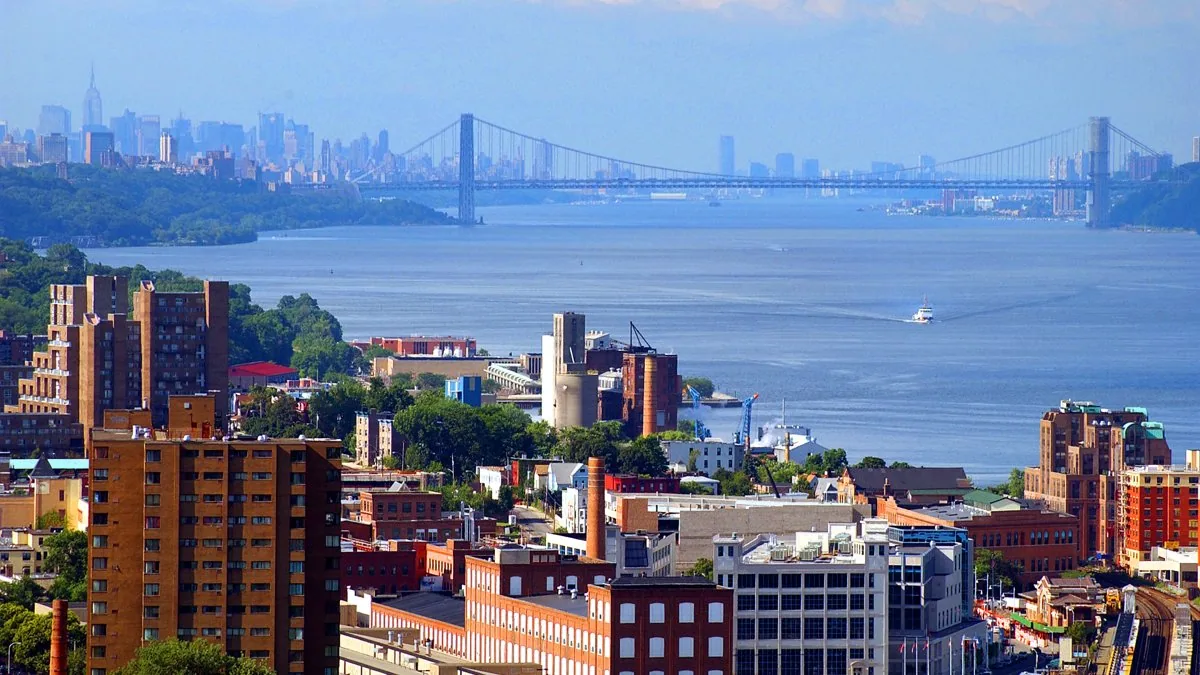
A dealership has three roofs in one address, and each leaks differently. The showroom has glass walls, a clean ceiling, and customers who notice a drip. The service department has bays, hoists, exhaust, and make-up air. The canopies and parts building carry their own edges and drains. Commercial Roofing Yonkers inspects and repairs roofs on dealerships in Yonkers, NY, treating each area as its own condition file. The photographs, drawings, and open items let the general manager or dealer principal decide what to repair now and what to plan, with the sales floor and the service lane both in view.
Protect the showroom first
Showroom roofs usually span large open areas with few interior walls, and a leak there is visible to every customer. Ceiling tiles that stain, drips that land on a vehicle, and wet carpet at the glass line all damage sales. We locate the roof area over the sales floor, check parapet and curtain-wall flashing, and look hard at the junction where roof meets glass, since that edge takes both sun and water. Interior photographs are cross-checked against roof evidence before any repair is scoped.
Where a stain appears and the surface looks sound, an infrared moisture survey can map wet insulation above the showroom without cutting into the roof. That answer decides whether a flashing repair is enough or whether a larger section needs work.
Large glass and tall interior volumes also make condensation a real possibility. Cold roof edges above a warm showroom can sweat in winter and look like a leak, and a roof repair cannot cure it. Checking the underside and the insulation tells us which problem we are looking at, and the report says so plainly.
Service bays are a different roof
The service building carries heat, exhaust, and fumes, and its roof carries the equipment that moves them. Exhaust stacks, make-up air units, and ventilation fans cut the membrane in many places. Fumes and oils can affect some surfaces near vents, and heat from below can dry sealants faster than at a showroom. We check the area around each stack for staining, softening, and cracked boots, and we confirm that supports are independent of the membrane.
Technicians and vehicles are on the floor below all day, so interior protection during repair is part of the plan. Water over a hoist or an alignment rack creates a safety problem beyond the leak. Repairs there may be scheduled for early hours before the shop is busy, and the manager receives an update on any area that will be closed.
Parts storage is another consideration. Cardboard, filters, and electronic components do not tolerate drips, so we ask where the stockroom sits and photograph the ceiling above it during the first walk.
Canopies, parapets, and edges
Dealerships often have canopies over delivery lanes, service entries, or the new-car handover area. These are exposed to wind from several directions, and their edge metal and drains take hard use. A canopy that drains onto a customer walkway can create a slip hazard in winter. We check attachment, flashing, and drainage on each canopy and photograph the underside where water might enter.
The same attention applies to parapets and coping on the main buildings. Loose edge metal can lift in a storm and damage vehicles on the lot below, which is why edge metal, coping, and gutters are part of every dealership scope. Wind that grips a roof at the corners and perimeter does its work there first.
Winter adds its own checks. Westchester County Airport's regional normals, northeast of Yonkers, list roughly 105 days a year with freezing lows. Water that drains from a canopy during a thaw can freeze on the pavement below by evening, and a gutter that overflows into a delivery lane will leave a sheet of ice. We look at downspout discharge points, scupper outlets, and heat tracing, if any exists, before the first freeze and after a hard one. Where a drain empties onto a walkway, the scope proposes a redirect.
Think about the lot as well as the roof
Vehicles on the lot are not under the roof, but they are under what falls from it. Loose gravel from a ballasted roof, sealant drips, and metal fragments from a storm can scratch paint or break glass. During repair or replacement, we keep the lot protected with fencing and covers where roof work happens over vehicle areas, and we ask the dealership to move inventory out of the drop zone. Hoists and dumpsters are placed away from front-line vehicles.
After a hail or high-wind event, documentation helps with insurance for both the building and the inventory. Dated photographs of roof surfaces and damaged components, taken before cleanup, support the claim and show what was storm damage versus long wear. Our storm damage roof repair work begins with that record.
Dealership corridors in Yonkers
Auto sales cluster along busy commercial routes. In Yonkers, Central Park Avenue is, in the city's own words, a 2.3-mile commercial run, and Thruway Exits 2, 5, and 6 put Yonkers Avenue, Central Park Avenue, and Tuckahoe Road within easy reach of the highway. The 2000 comprehensive plan treated Yonkers Avenue as a commercial corridor with a major redevelopment area at its intersection with Central Park Avenue. Dealership roofs on such corridors sit near heavy traffic and active neighbors, so truck routes, lift placement, and crane timing are set with the general manager.
Properties on the Yonkers Avenue corridor or the Central Park Avenue corridor may also see land-use changes ahead. A roof decision that meets the building's actual remaining plan avoids paying for a long service life on a building that may change.
Close with a file for the dealer group
Dealer groups own several stores, and manufacturers set facility expectations. A common file format, with photographs, a roof plan, ranked open items, and the repair history, lets the group compare roofs across stores and plan capital. It also gives an owner something concrete when a lender or a buyer asks about the building. Properties used for service and storage resemble flex industrial buildings in their roof demands, and shopping-center dealerships on shared lots resemble shopping centers.
Facility upgrades come in waves, and a roof that was fine before a showroom remodel may need attention after. Adding signage, new rooftop units, or a new canopy changes loads and penetrations, so the file is updated each time. A short visit after any alteration records new flashings, and the photographs show the roof as it stands after the contractors have left.
Commercial Roofing Questions
Can showroom roof work be done during sales hours?
Quiet inspection and flashing work can be. Noisy steps are set for early mornings or closed days, and interior protection keeps the sales floor clean.
How do you protect vehicles during roof work?
We fence and cover work zones over vehicle areas, ask the dealership to move inventory from the drop zone, and place dumpsters and hoists away from front-line vehicles.
What roof problems come from a service department?
Exhaust stacks and make-up air units create many penetrations. Fumes, heat, and vibration wear flashings, boots, and sealants faster. We inspect each penetration and its support.
How should storm damage be documented?
Photograph the roof surface, the edges, and any fallen components before cleanup, with dates. A written report then separates storm damage from existing wear for the insurer.
Is a roof coating suitable for a dealership roof?
It can be, if the membrane is sound and dry. A moisture survey and seam check decide that. Coating cannot fix wet insulation or failed flashing.
Request a roof assessment or view all property types we roof.